Trump Administration Eases Auto Tariffs Before Planned Increase
Facing industry pressure, the administration rolls out partial tariff relief to help domestic carmakers offset rising trade costs.
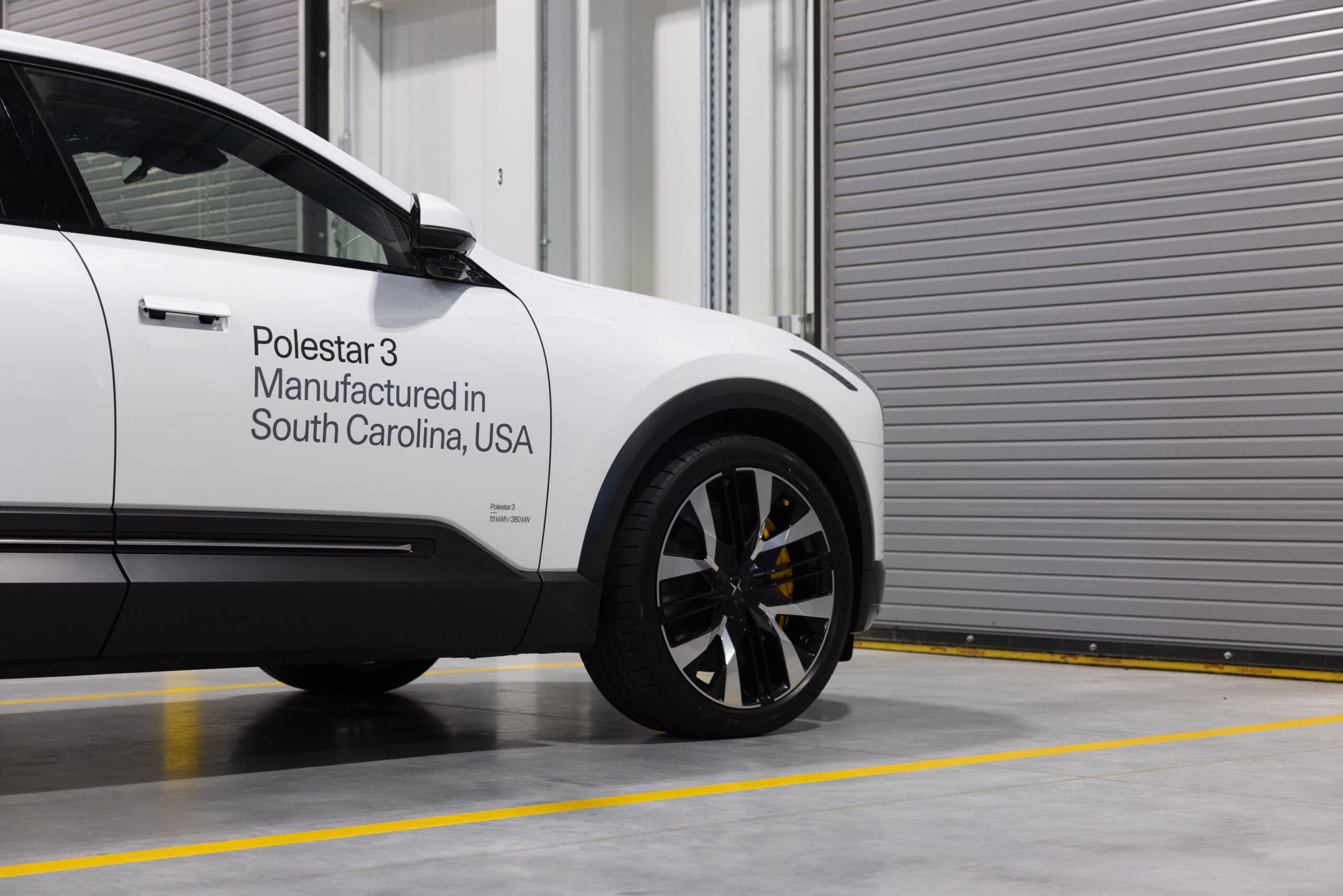
In a move that comes just days before a scheduled increase in automotive tariffs, the Trump administration has announced a rollback of certain previously imposed duties on US automakers. The announcement, made ahead of a rally in Michigan marking the President’s first 100 days in office, aims to alleviate the financial burden on domestic automakers.
Executive Orders to Ease Tariff Impact
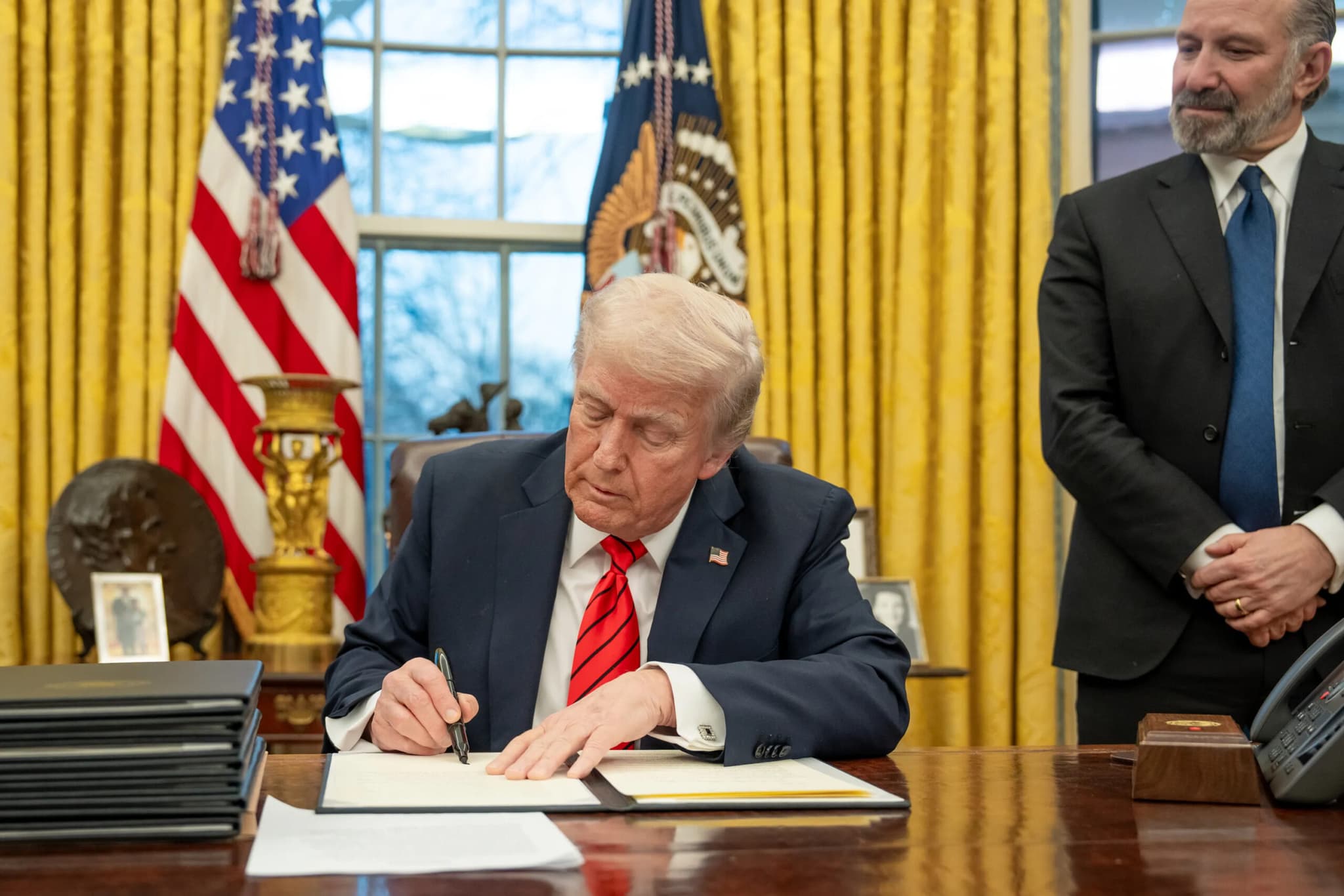
President Trump signed two executive orders that will significantly alter the application of his administration’s 25% tariffs on vehicles and certain auto parts. Notably, these orders prevent the stacking of these 25% tariffs on top of existing tariffs on aluminum, steel, or those imposed under the Canada-Mexico trade agreement. Furthermore, the administration will provide automakers with a credit to offset the impact of the 25% duties on imported parts used in US-built vehicles.

Response from Automakers
The American Automotive Policy Council (AAPC), representing Ford, GM, and Stellantis, acknowledged the administration’s clarification. AAPC President Matt Blunt stated, “American Automakers Ford, GM, and Stellantis appreciate the administration’s clarification that tariffs will not be layered on top of the existing Section 232 tariffs on autos and auto parts. Applying multiple tariffs to the same product or part was a significant concern for American automakers, and we are glad to see this addressed.” He further added that they would closely review the executive orders to assess their effectiveness in mitigating the impact of tariffs on domestic automakers, their supply chains, and consumers.
Ford CEO Jim Farley also expressed appreciation for the changes, recognizing the need to promote domestic growth while acknowledging the cost and chaos caused by the administration’s shifting tariff policies.
Tariff Relief Specifics
According to reports, the administration’s decision will prevent automakers from being charged multiple tariffs on the same product or part, with retroactive reimbursements for tariffs already paid. Additionally, the 25% tariffs on foreign auto parts, set to take effect on May 3rd, will be modified. Automakers will be eligible for reimbursements up to 3.75% of the value of a US-made car for one year, decreasing to 2.5% in the second year before being phased out entirely.
Administration’s Stated Goals
Commerce Secretary Howard Lutnick stated that the administration’s actions aim to “build an important partnership with both the domestic automakers and our great American workers.” He emphasized that the policy will “reward companies who are already manufacturing domestically, while providing a runway to manufacturers who have expressed their commitment in investing in America and expanding domestic manufacturing.” The administration’s stated goal is to reduce reliance on foreign parts and supply chains.
Potential Impact on Vehicle Prices
Despite the tariff relief, concerns remain about the potential impact on vehicle prices. If manufacturing parts domestically proves more expensive, automakers are likely to pass on the increased costs to consumers. With average profit margins already slim, it’s unlikely that automakers will absorb the additional expenses indefinitely.
This move by the Trump administration provides a temporary reprieve for US automakers facing increased tariff burdens. However, the long-term implications for the industry and consumers remain to be seen.
Although tariffs may be coming down, experts still believe EVs are likely to become more expensive. If you’re planning to get an electric car, now might be the right time. Check out the best EV offers across the U.S., and stay informed with the latest updates from EV.com.
Comments
Categories
Related news

Subscribe for EV News and Reviews

AI Employee for Car Dealerships
Results in 30 days - Or We'll Give You Your Money Back