Top 10 EV FAQs Answered in 2025
EVs in 2025: Get expert answers to the 10 most frequently asked questions about electric vehicles, technology, and ownership.
2025 is shaping up to be a defining year for the electric vehicle industry. We’ve seen the arrival of cutting-edge technologies, but also growing skepticism, delays, and new challenges that raise serious questions about the future of EVs. From charging infrastructure to battery production and market saturation, this piece highlights the top 10 issues that everyone, from consumers to manufacturers, should be thinking about right now. If you’ve been wondering where the EV world is truly heading and how to respond wisely, this guide is for you. Read on, and we guarantee you’ll feel more grounded, better informed, and ready to face the road ahead.
Is Now the Right Time to Buy an Electric Vehicle?
The EV market is facing turbulent times, particularly in the U.S., where import tariffs and Tesla’s ongoing challenges are creating uncertainty. Yet, despite these headwinds, it’s still a surprisingly good moment to consider buying an electric vehicle. In the first quarter of 2025, most EV brands reported a noticeable rise in sales, and prices, especially in the used market, have become more competitive. If you’re thinking about making the switch but don’t know where to begin, take a look at our EV buying checklist to find the best match for your needs.

Which Electric Vehicles Stand Out As The Best Choices Today?
The EV world in 2025 is buzzing with exciting new arrivals. But when it comes to picking the best one, there’s no universal answer. For some, a full-size SUV is a must-have; for others, a nimble urban hatchback is all they need. That’s why we didn’t focus on one-size-fits-all solutions. Instead, we analyzed this year’s top EVs based on what truly matters — specs, performance, range, and actual owner experience. Whether you’re shopping for space, efficiency, or just great value, we hope our hand-picked selection will help you discover the perfect EV for your unique needs.

Are Tariffs Actually Impacting the EV Market?
Unfortunately, it’s clear that tariffs are already having a noticeable impact on the U.S. EV market. Even brands that manufacture their vehicles domestically are feeling the pressure, as they still rely on imported materials like steel and aluminum, now significantly more expensive due to increased tariffs. And with no signs that these policies will change before the end of the year, prices are expected to keep rising. That’s why now might actually be a smart time to purchase an EV, especially if you’ve been considering one. Many models are still available at pre-tariff prices, but this window won’t last long. In the coming months, we can expect rising prices across the board, particularly for EVs built outside the U.S., some of which may even disappear from the American market entirely.
Tesla’s Trouble: What Went Wrong and Will They Recover?
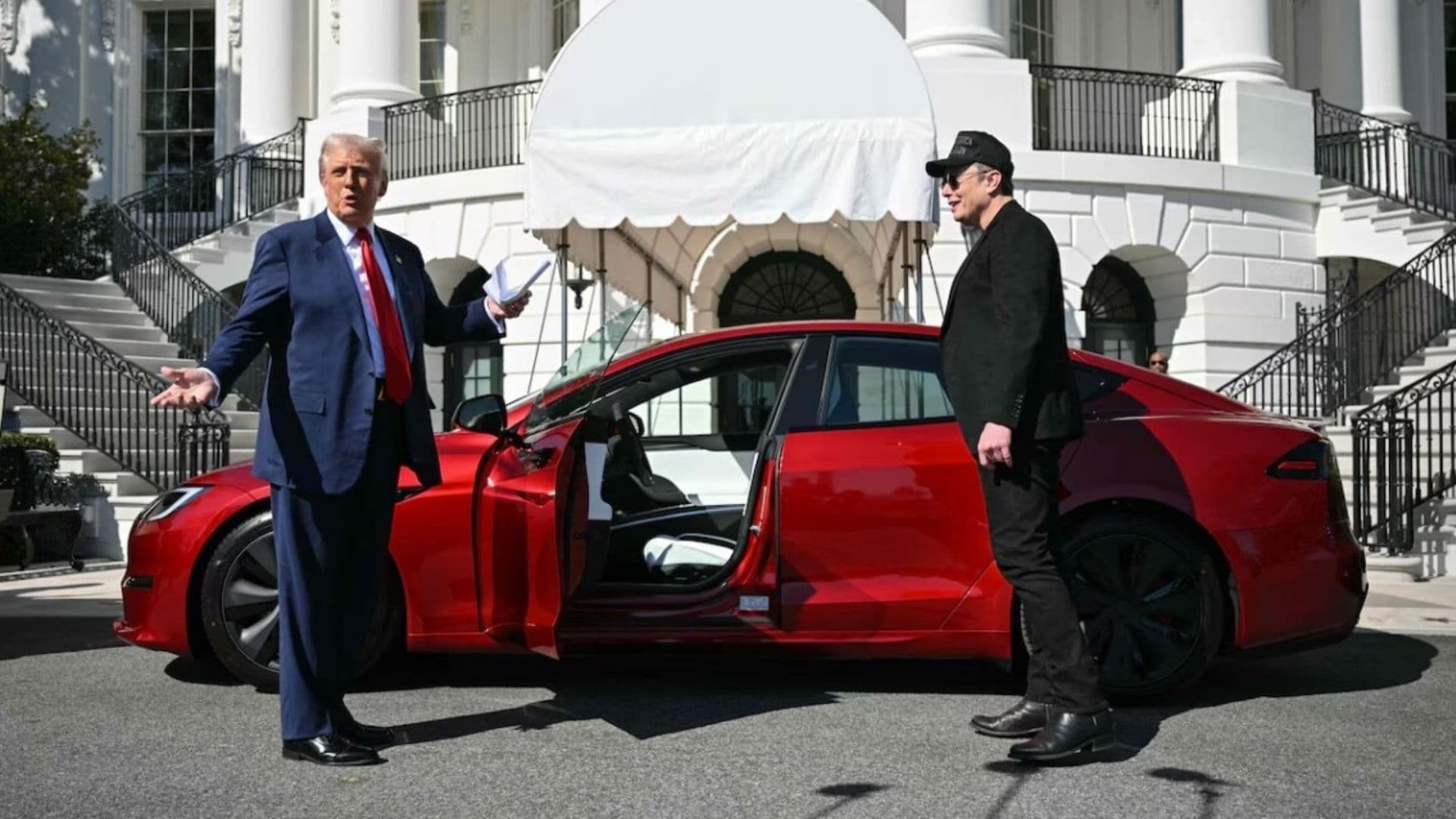
The first half of 2025 has shown that even global leaders like Tesla are vulnerable to serious setbacks. A sharp drop in sales during Q1 raised red flags, driven in part by Elon Musk’s recent entry into the political arena and a series of controversial remarks that didn’t sit well with consumers. But these events only accelerated a deeper issue: Tesla has failed to deliver on its long-standing promises and has yet to unveil anything truly innovative that could reignite excitement in the EV space. The outlook for Tesla is currently uncertain. The company appears stuck, lacking not only new technological breakthroughs but also struggling to restore public trust. Nowhere is this more apparent than in Europe, where the brand has experienced its steepest decline. For Tesla to recover, it must not only launch new, compelling models but also repair the image that once made it the symbol of the EV revolution.
EV Charging in 2025: What’s New and What’s Next?
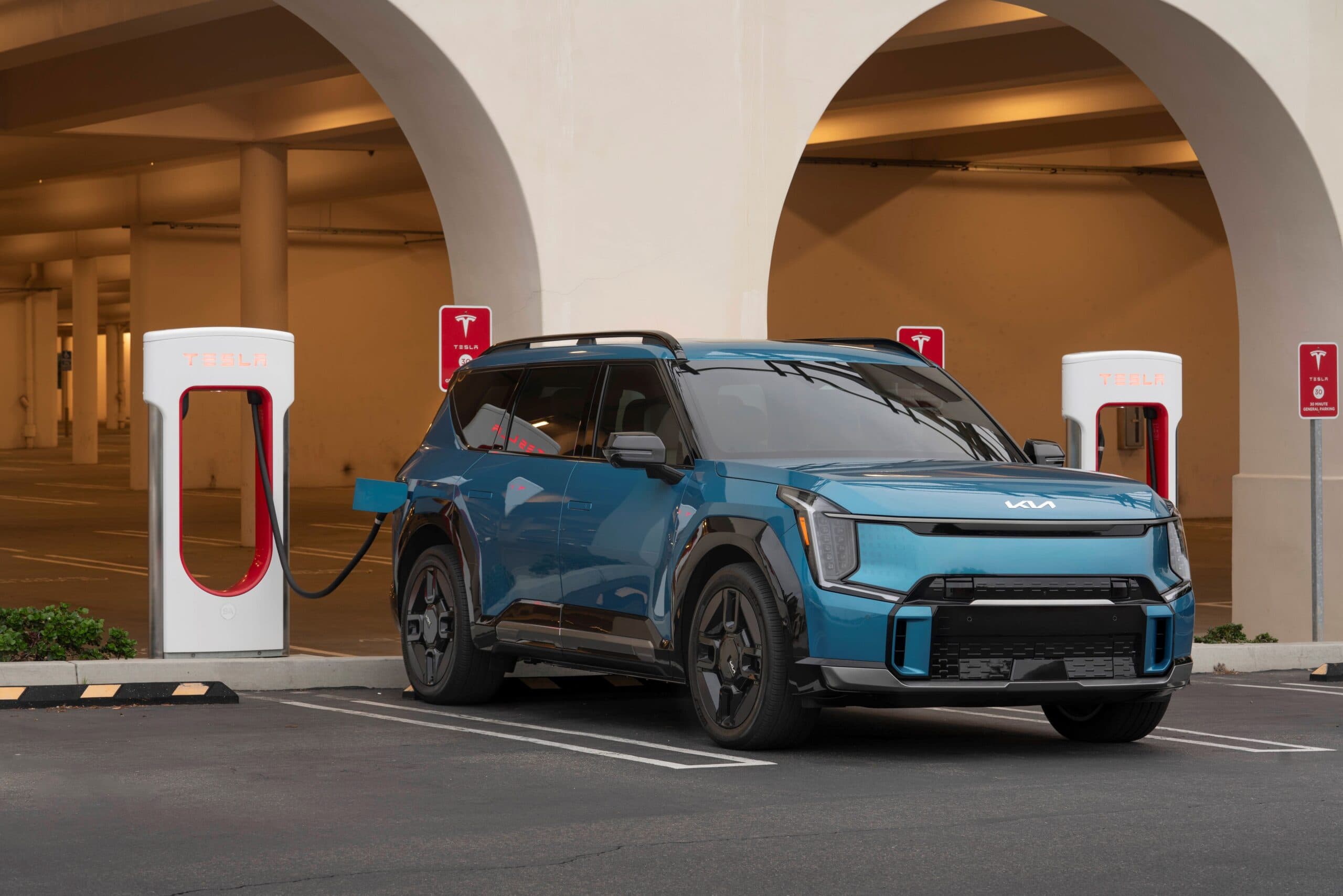
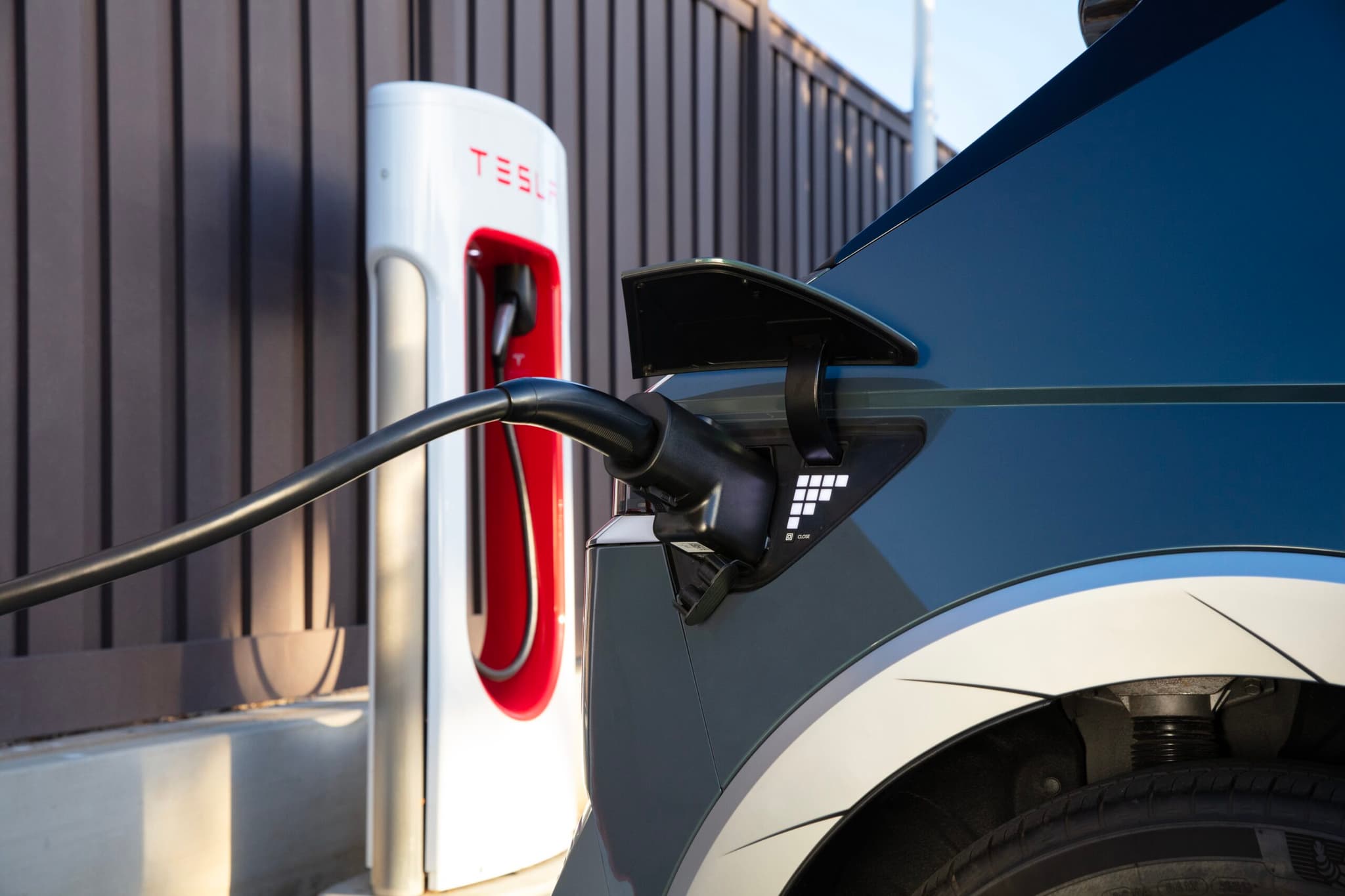
2025 marked a true turning point in the EV charging landscape. Tesla made a major move by opening its Supercharger network, the largest in the U.S., to almost all EV brands. This decision significantly improved the overall charging experience and eliminated one of the biggest concerns for EV drivers: running out of power on long trips. Now, most electric car owners can travel across the country with confidence, knowing they have access to fast and reliable charging. Some automakers, such as Hyundai, have already transitioned from the industry-standard CCS Type 1 port to Tesla’s NACS connector. By the end of the year, we expect most major EV brands in the U.S. to adopt NACS as the new standard. Meanwhile, Tesla plans to continue expanding its network and rolling out ultra-fast V4 chargers across the country, making EV ownership more convenient than ever.
Who Holds the Crown in Today’s EV Market for the Longest Real-World Driving Range?
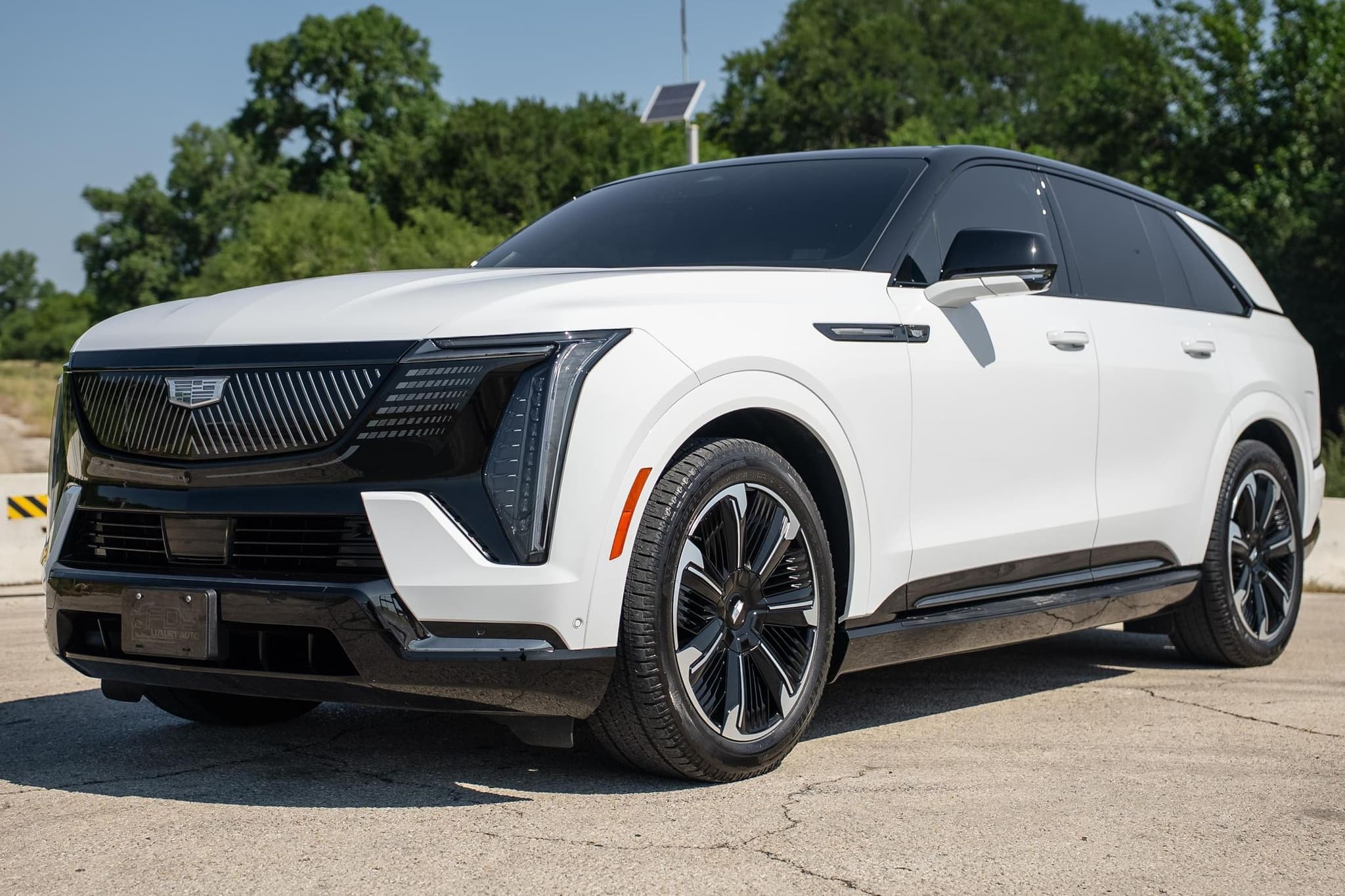
The electric vehicle range leaderboard has a new champion: the Cadillac Escalade IQ has officially surpassed the Chevy Silverado EV Work Truck Max Range in recent real-world tests. Boasting an unprecedented 558 miles of range, the Escalade IQ sets a new industry standard and is expected to remain unchallenged through the end of the year. This milestone further solidifies GM’s dominance, as the top three positions in the current range race are now held by GM vehicles, pushing even the range-focused Lucid Air out of the spotlight. Of course, if large electric SUVs or pickups aren’t your ideal match, we’ve also put together a curated top 10 ranking of electric sedans with outstanding real-world range.
Who Dominates the EV Fast-Charging Game This Year?
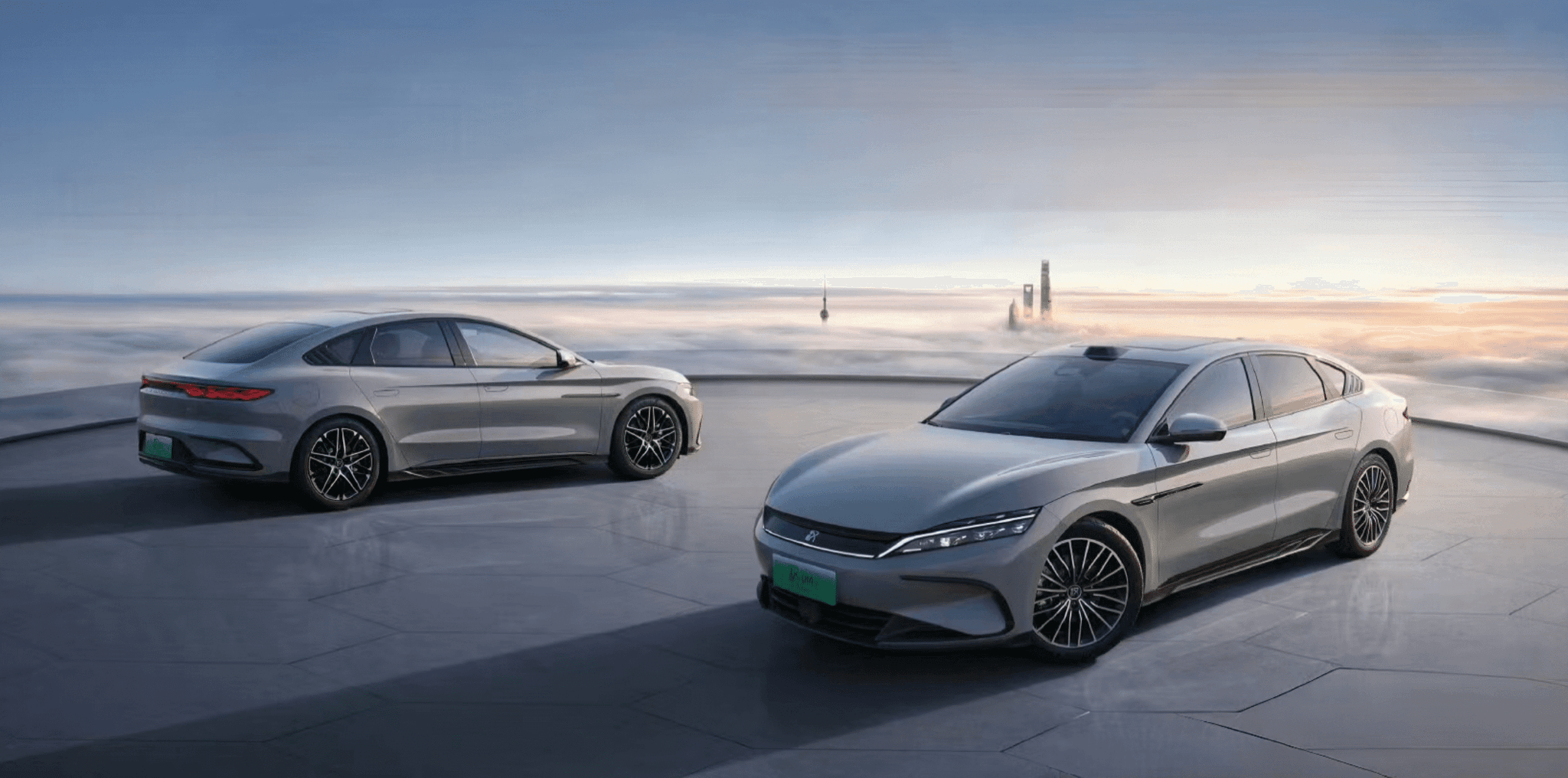
Tesla, Lucid, and even premium European brands like Porsche are no longer at the top of the EV game — China is taking the lead. Brands like BYD have already unveiled a battery that can recharge from 10–80% in under five minutes. But the real shocker comes from CATL, whose latest battery can gain 300 miles of range in just five minutes, outpacing BYD’s 250 miles and even beating traditional ICE refueling times. Welcome to the future of EVs!
Which Electric Vehicles Are Ideal for City Commutes in America?
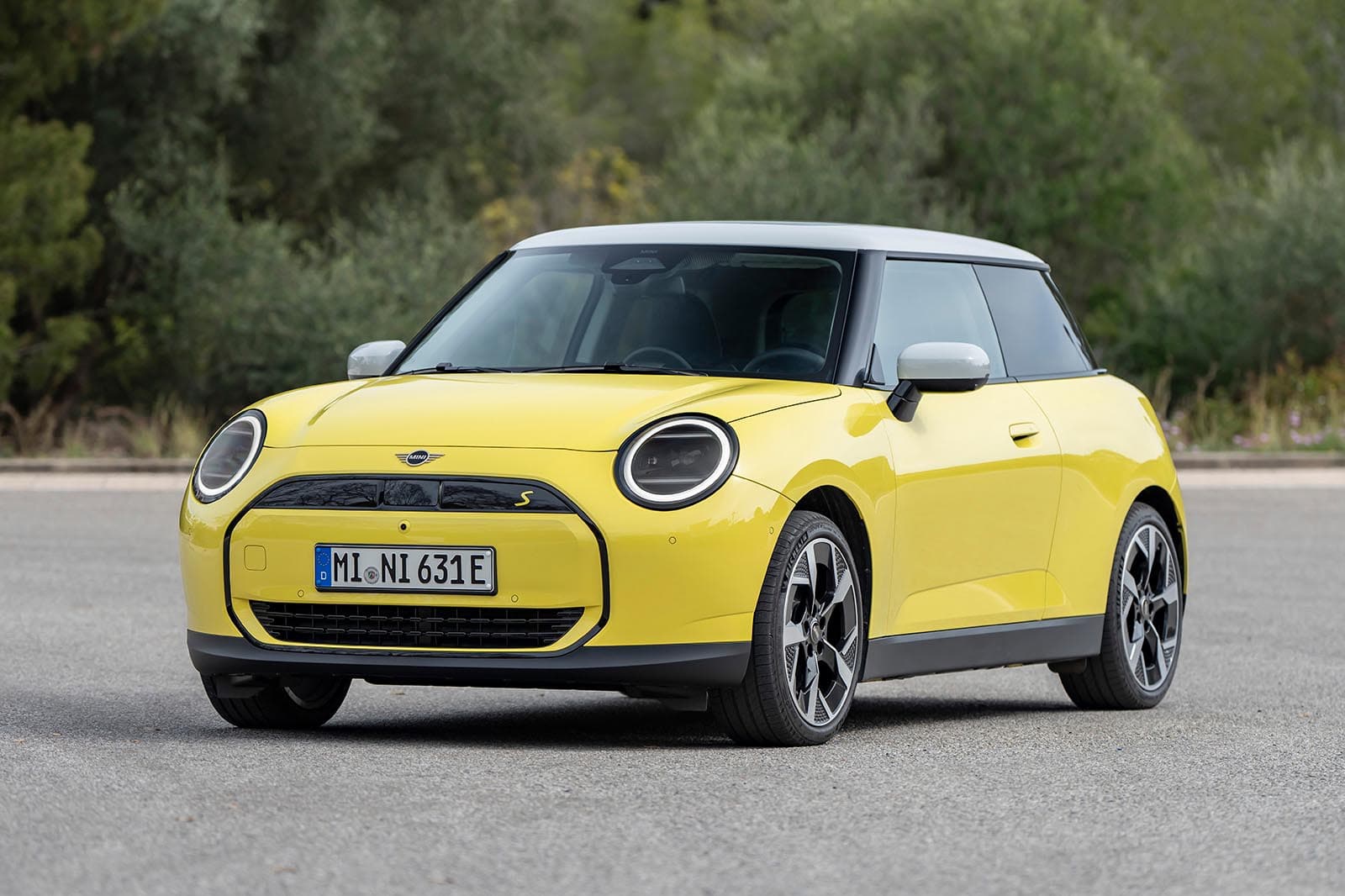
City-focused EVs are rarely highlighted in the U.S. market, where long-range and highway performance often take the spotlight. But we’ve done the homework to bring you a list of models that thrive in tight streets and stop-and-go traffic. For example, the Nissan Ariya made the cut. Think that’s too much car for city use? Check out our full piece for smaller alternatives.
Who Currently Dominates EV Sales in the U.S. Market?
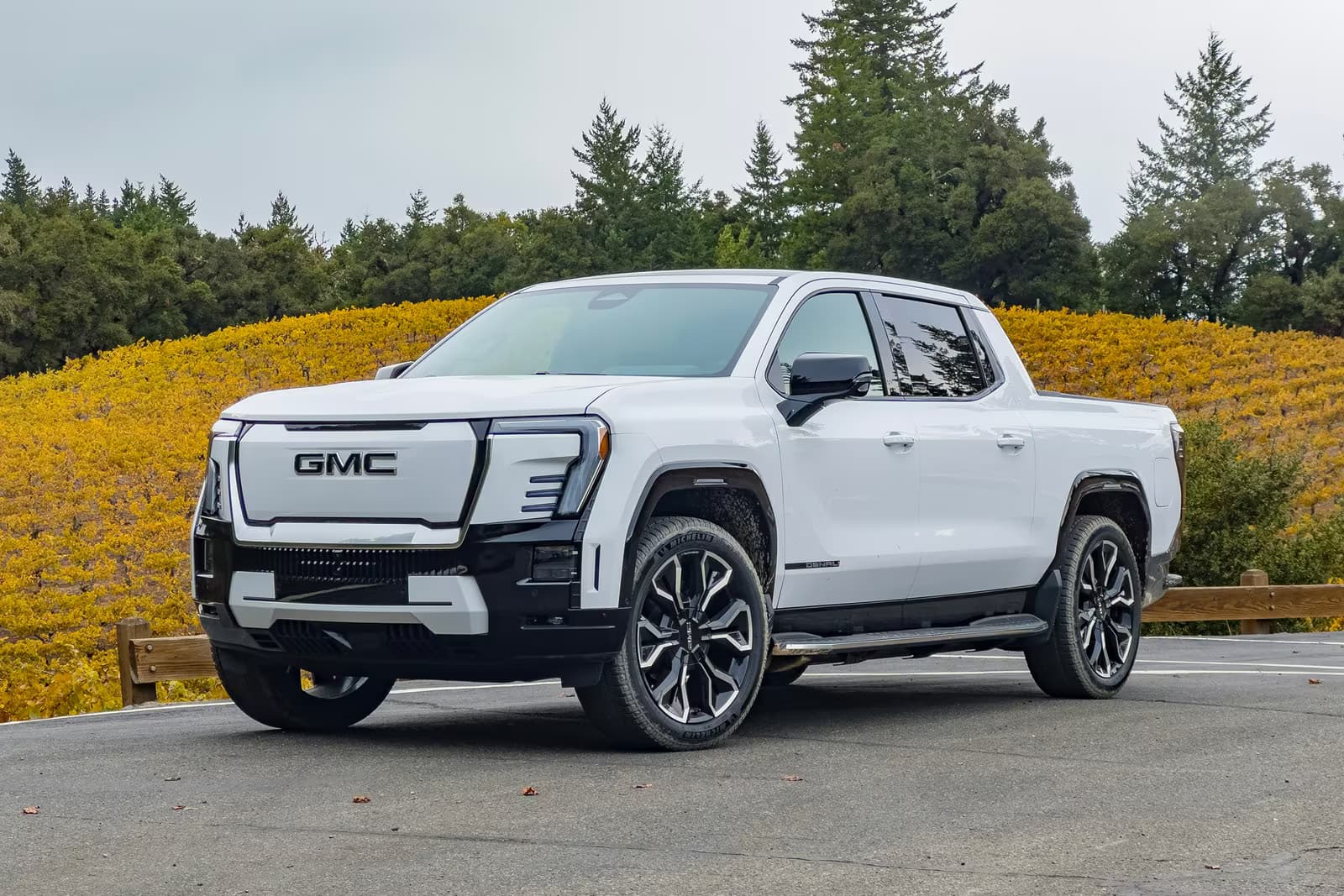
Tesla continues to lead U.S. EV sales in Q2 2025, but with a noticeable shift, its market share has dropped to 46%, significantly lower than in past years, largely due to the issues we previously discussed. In second place is General Motors, claiming nearly 15% of the market. It’s well-deserved, as GM now offers one of the most extensive EV lineups across all price points and continues to break range records thanks to the largest battery packs in the industry.
Where Should You Purchase Your Future EV?
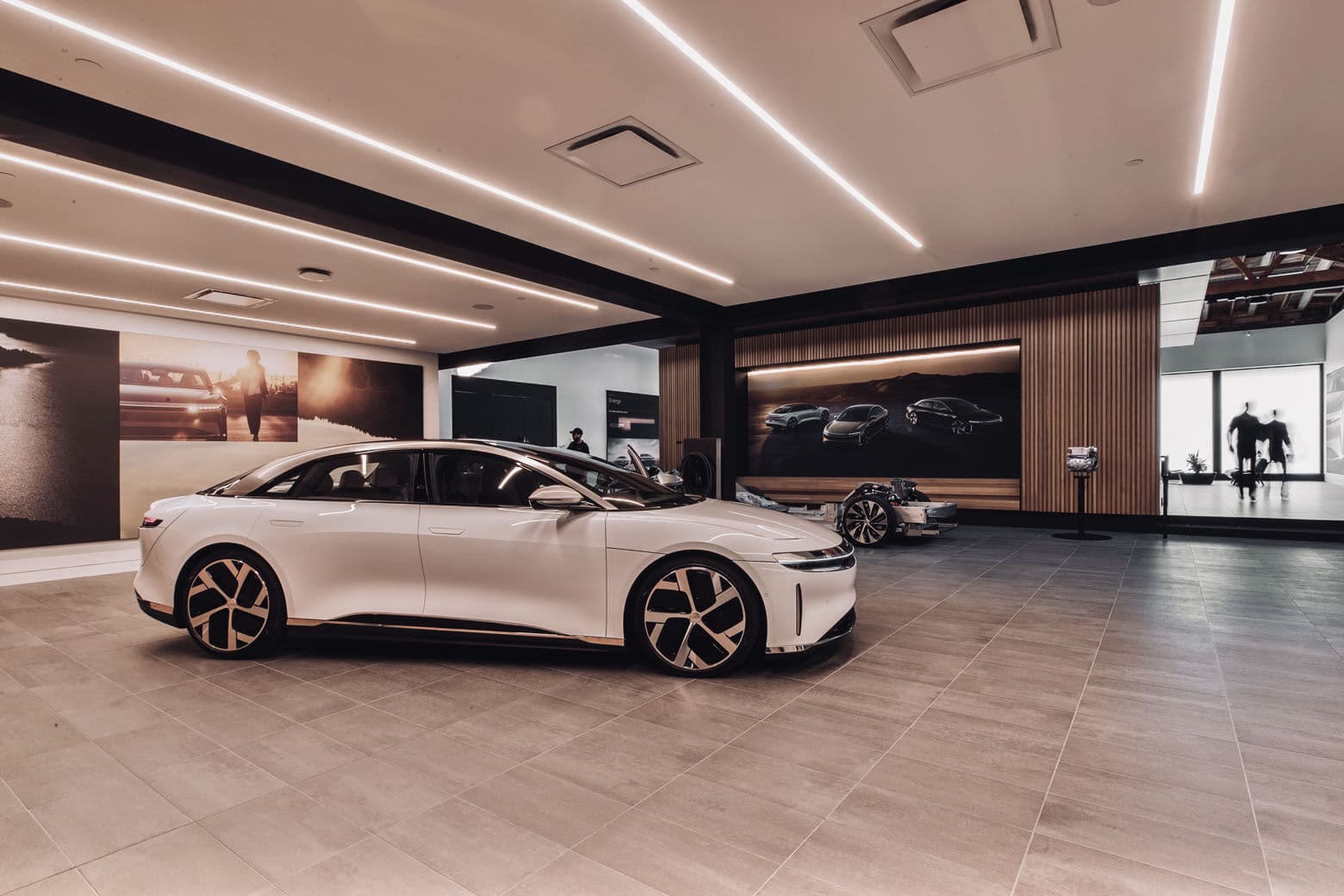
Whether you’re buying a used EV or a brand-new one, it’s crucial to stick with approved dealerships to avoid unexpected issues, hidden defects, or unpleasant surprises down the road. Our team has established strong partnerships with certified and trusted EV dealerships across the entire country. That means when you choose to buy your electric or hybrid car through us, you’re choosing a process that’s not only easy and hassle-free but also completely safe and secure — giving you full confidence in your purchase.
EV.com Insight
2025 brought us a wide range of surprising developments, insights, and unexpected challenges in the EV industry. Who could have imagined at the start of the year that Tesla, once the untouchable leader, would face one of its sharpest sales declines, especially after announcing the opening of its Supercharger network to nearly all EV brands? Yet, that’s exactly what happened. We hope this article gave you a clearer perspective on what’s really going on in today’s EV market and helped you feel more confident in your next decision as an EV buyer or enthusiast.
Comments
Categories
Related news

Subscribe for EV News and Reviews

AI Employee for Car Dealerships
Results in 30 days - Or We'll Give You Your Money Back