Tesla Signals Model S and Model X Exit as It Pivots Fully to Autonomy
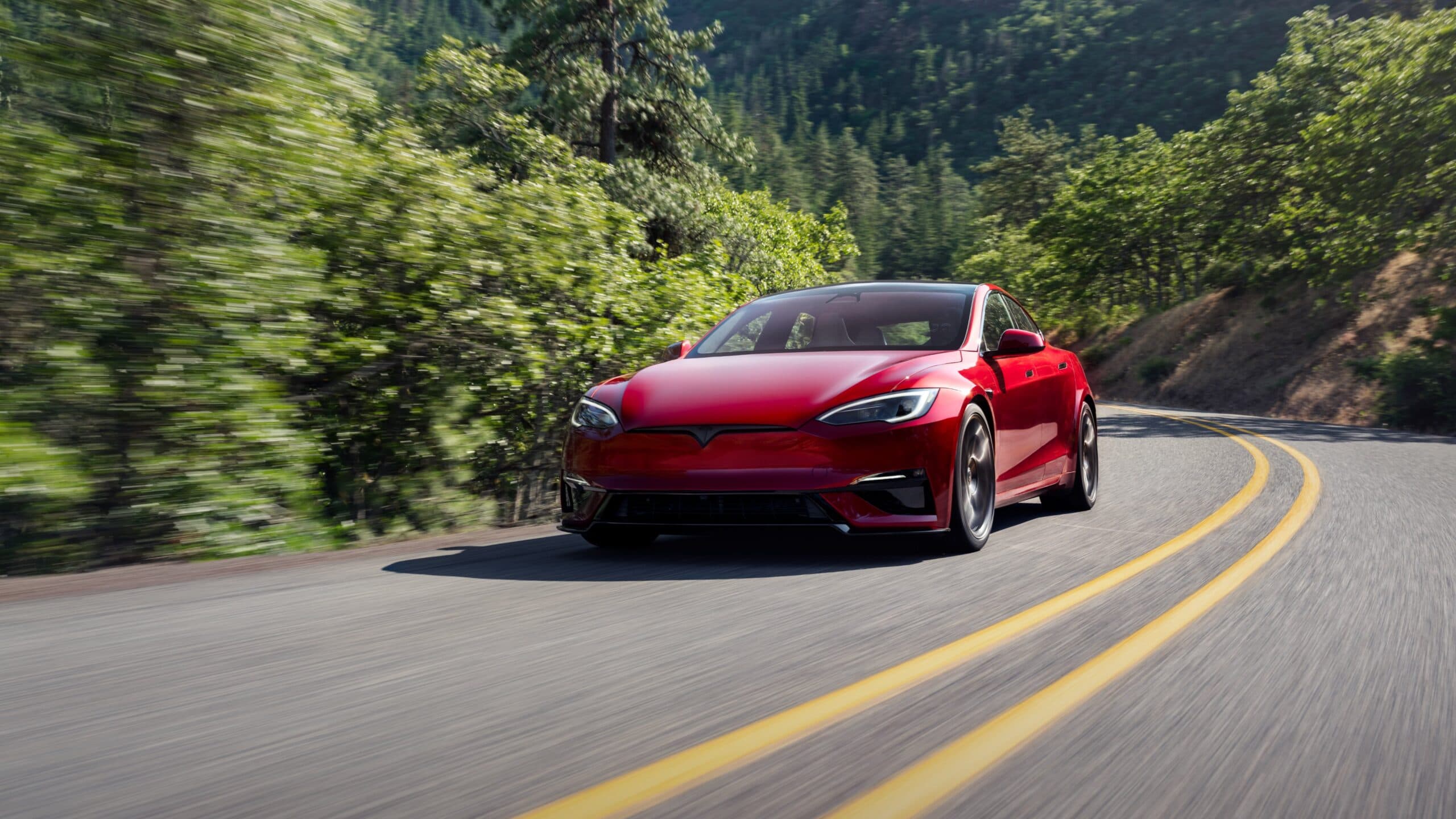
Tesla is planning to wind down production of its flagship Model S and Model X next quarter as the company shifts its focus toward autonomous vehicles, according to comments made by CEO Elon Musk during the company’s latest earnings call. The plan was later reinforced in a post from Tesla’s official account, urging customers to place orders while the vehicles remain available.
Tesla signals end of Model S and Model X production
Tesla indicated that production of the Model S and Model X is expected to wind down next quarter as the automaker accelerates its transition toward autonomy. During Tesla’s earnings call, CEO Elon Musk outlined the shift, which was later echoed by Tesla in a post on X stating that customers interested in either model should consider ordering soon.
The move follows years of limited updates to Tesla’s premium lineup. While the Model S and Model X received incremental refreshes, neither vehicle underwent a full redesign, with the Model X retaining much of its original exterior since its 2015 launch. Over time, Tesla prioritized its higher-volume vehicles, the Model 3 and Model Y, as demand for its premium models declined, according to Mashable.
Tesla does not report Model S and Model X sales separately, instead grouping them with other low-volume vehicles. In the fourth quarter of 2025, the company reported deliveries of just 11,642 vehicles in this category, representing a 51% year-over-year decline.
Lineup shifts as Tesla pivots toward autonomy and robotics
The discontinuation of the Model S and Model X would mark the end of two historically significant vehicles. The Model S was Tesla’s first mass-market sedan and played a central role in establishing the company as a serious automaker, while the Model X served as Tesla’s most luxurious and spacious family vehicle.
If production ends, Tesla’s lineup would leave a notable gap between its compact Model 3 and Model Y and more specialized offerings such as the Cybertruck, which has struggled to gain traction. The “other models” category also includes the Tesla Semi, further underscoring the limited role of large passenger vehicles in Tesla’s current strategy.
Looking ahead, Tesla’s next major vehicle launch is expected to be the autonomous Cybercab, designed primarily for ride-hailing rather than private ownership. The next-generation Roadster remains slated for 2027, but Musk has described it as a niche product rather than a mainstream offering.
Tesla is also reallocating manufacturing resources toward its humanoid robot, Optimus. According to Musk, the Fremont production line that previously built the Model S and Model X will be repurposed for Optimus, reinforcing Tesla’s long-term focus on autonomy and robotics over traditional vehicle expansion.
EV.com tracks the evolving EV collector space and performance electric vehicles hitting the market. Explore our listings to find the best EVs in your area available today.
Comments
Categories
Related news
Mustang Mach-E Takes Fourth in New EV Market Share Through Q3 2026
Tesla Roadster Targets 10-Minute Charging With New High-Power Battery
Rivian Plans to Bring Third-Party AI Assistants Into Future Vehicles
YouTube’s Engineering Explained Host Replaces Problematic Lucid With Mustang Mach-E GT
Subscribe for EV News and Reviews

AI Employee for Car Dealerships
Results in 30 days - Or We'll Give You Your Money Back