Tesla Roadster Targets 10-Minute Charging With New High-Power Battery
The electric supercar will use Tesla-developed 4680 cylindrical cells with a custom nickel-based lithium-ion chemistry, although the company has yet to disclose the pack’s capacity or confirm its peak charging rate.
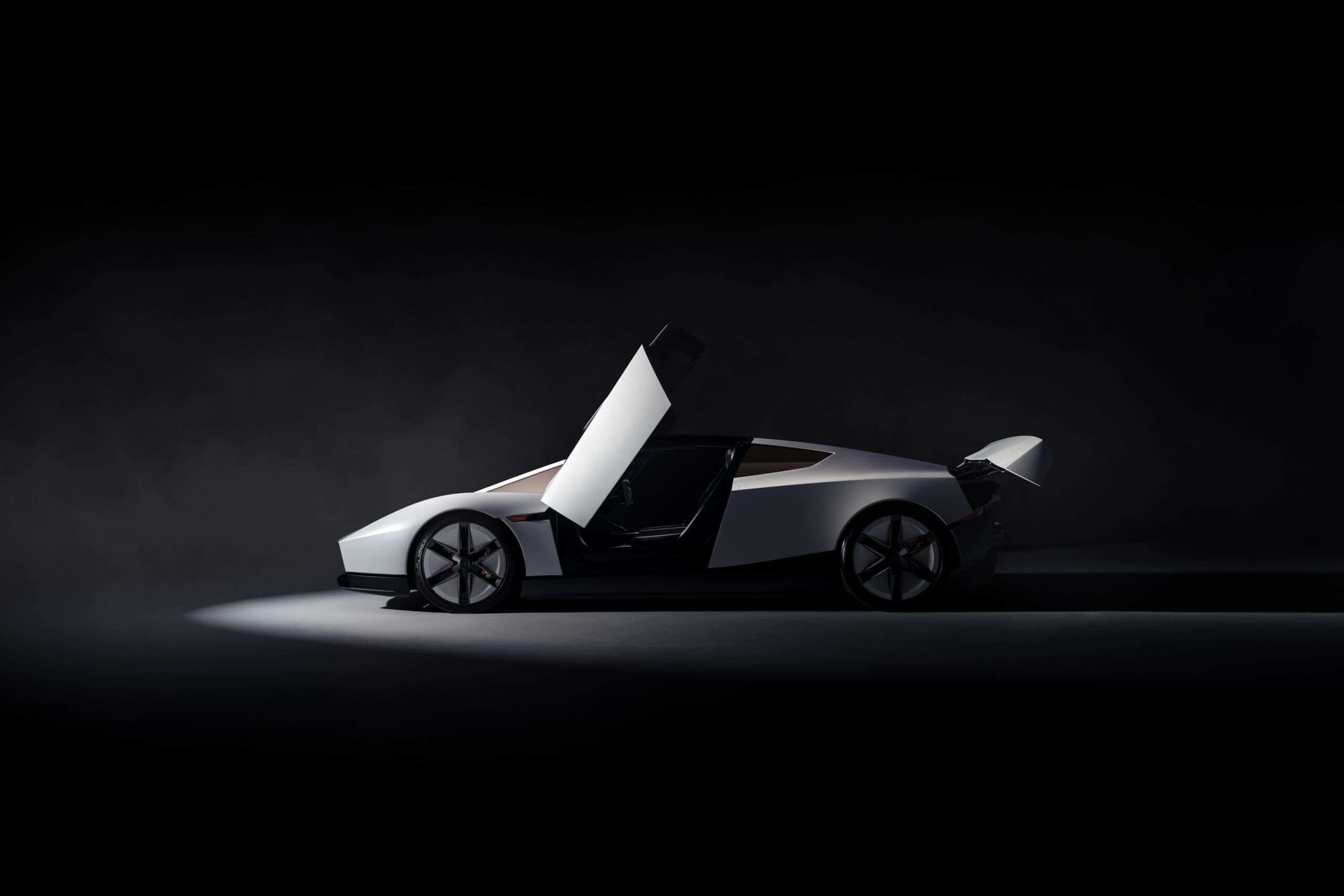
Tesla says its next-generation Roadster will charge from 15% to 85% in about 10 minutes, using a high-voltage battery pack designed to prioritize power delivery and rapid charging.
The electric supercar will use Tesla-developed 4680 cylindrical cells with a custom nickel-based lithium-ion chemistry, although the company has yet to disclose the pack’s capacity or confirm its peak charging rate.
Tesla Developed Custom Battery Cells for Roadster Performance
Tesla vice president of engineering Lars Moravy described the Roadster’s battery as the culmination of more than two decades of the company’s electric vehicle development.
The pack uses Tesla’s in-house 4680 cylindrical cells, with a chemistry tailored for high power output. Moravy described the formulation as a “bespoke chemistry for high power throughput” in a Top Gear video, while confirming that the cells remain nickel-based lithium-ion batteries, according to InsideEVs.
Moravy said Tesla’s mass-market batteries are built to last, while the Roadster’s cells put power density and performance first. Tesla says the car will deliver more than 300 miles of range, but has not disclosed the battery’s total capacity.
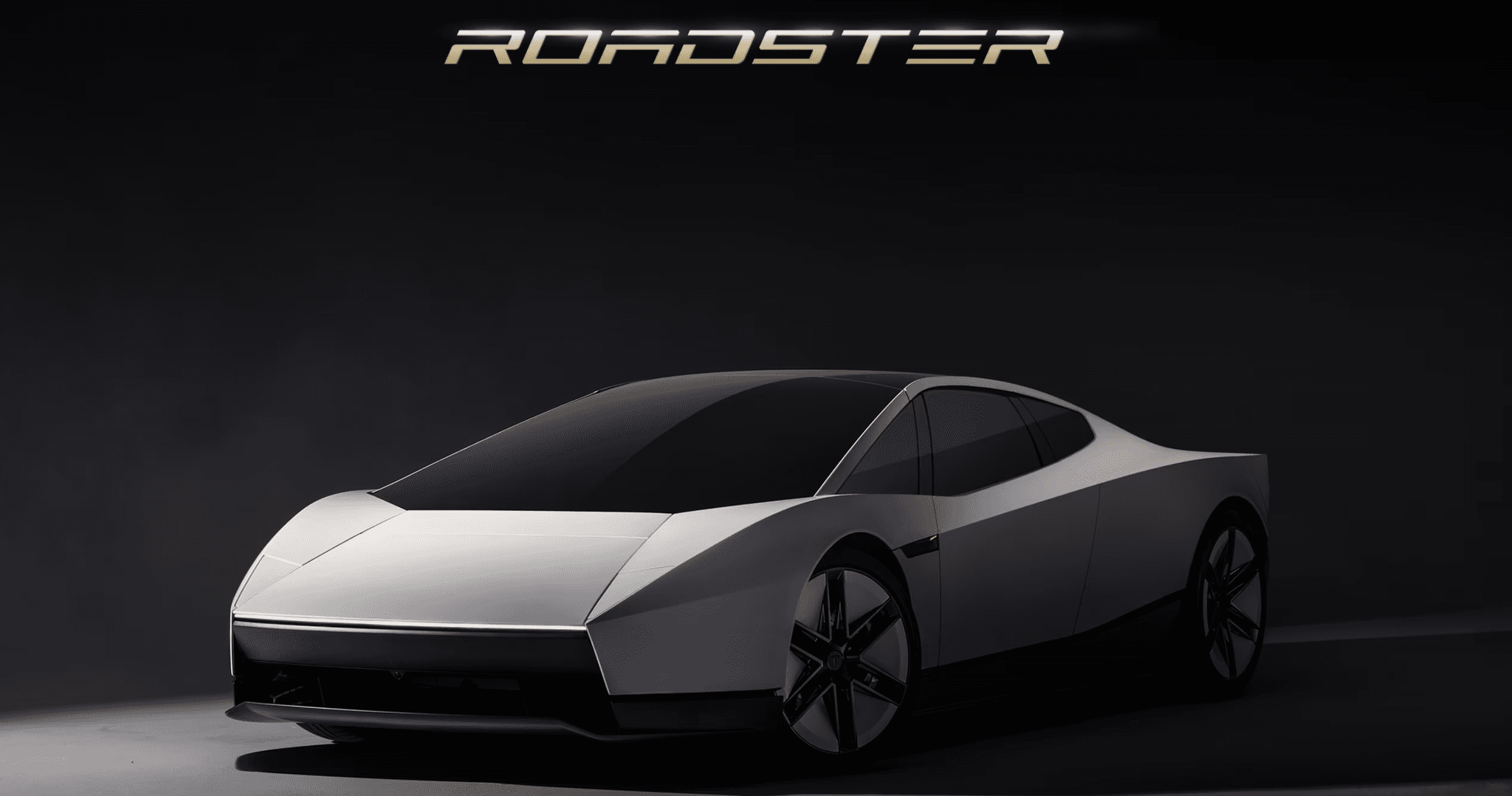
Cooling System Is Designed to Handle Rapid Charging and Discharging
Thermal management is central to the battery’s design. The Roadster’s top trim is rated for 1,341 horsepower and 1,032 pound-feet of torque from its two rear motors, creating substantial demands on the battery during high-performance driving.
Each cell gets coolant tubes on both sides to keep temperatures in check, Moravy said. He said the cells use aluminum cans instead of steel, which saves weight and sheds heat better. A titanium upper plate covers the pack, while an aluminum lower plate provides protection against dents and impacts from underneath the vehicle.
Tesla has not confirmed the Roadster’s exact charging power. Moravy said the car could handle somewhere between 500 kilowatts and 1 megawatt, and Tesla put the voltage architecture at between 800 and 1,000 volts. Those broad ranges leave important technical details unresolved.
That would put the Roadster alongside some of the fastest-charging EVs from Western automakers, such as the Mercedes-AMG GT, which charges from 11% to 80% in 11 minutes. However, its final charging specifications, battery capacity and real-world charging performance remain unconfirmed.
The Roadster’s battery technology is one part of a wider performance package that also includes SpaceX-developed cold-gas thrusters and a suction-based system. Whether any of its battery innovations eventually reach Tesla’s more affordable vehicles remains to be seen.
EV.com tracks the evolving EV collector space and performance electric vehicles hitting the market. Explore our listings to find the best EVs in your area available today.
Comments
Categories
Related news
Subscribe for EV News and Reviews

AI Employee for Car Dealerships
Results in 30 days - Or We'll Give You Your Money Back