Tesla Levels Up The Charge: 325 kW V4 Superchargers Take Off
V4 Superchargers Boost Tesla’s Network To 325 kW, Now Open To Non-Tesla EVs, With 500 kW Stations Coming Soon
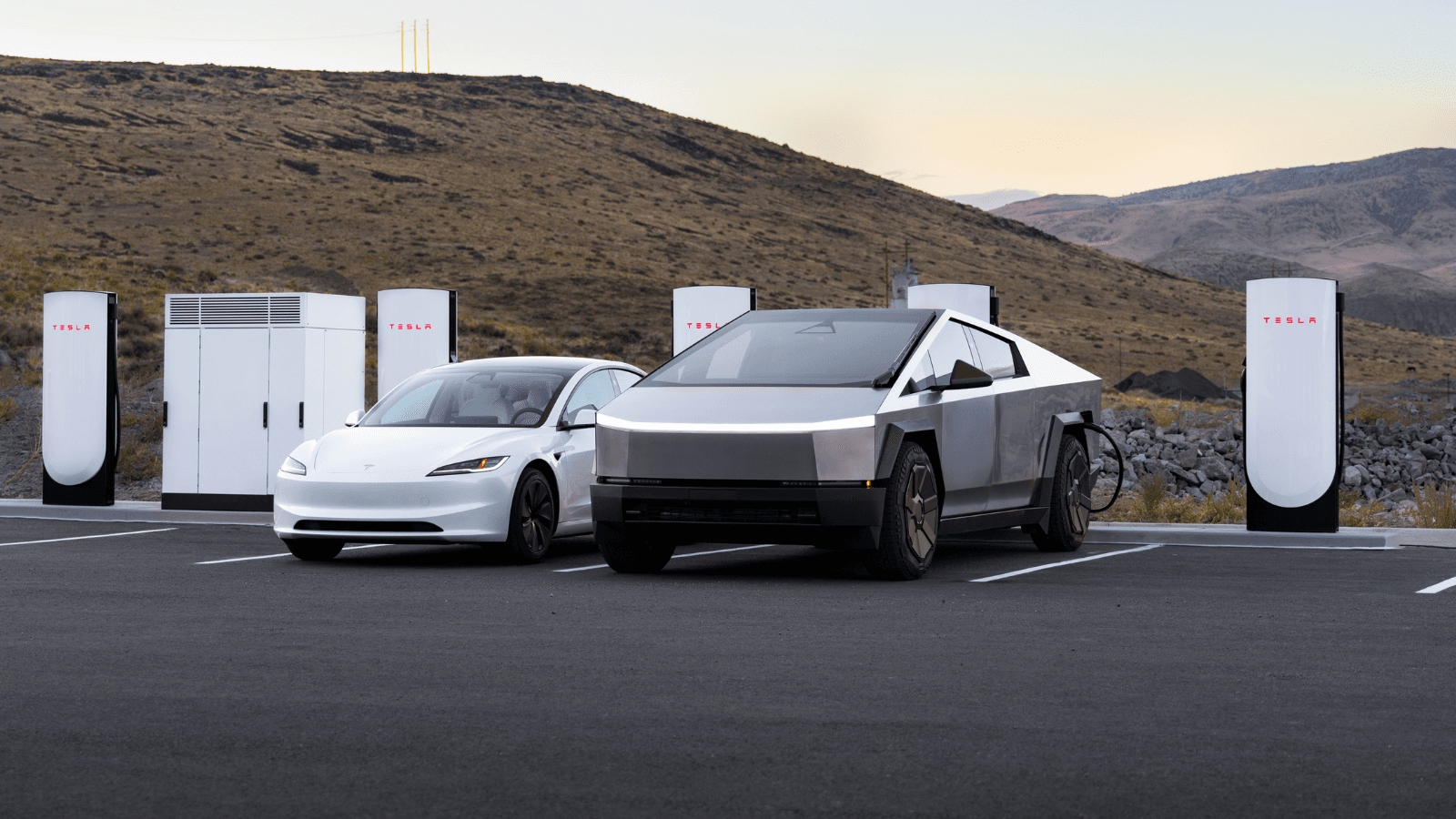
Tesla has announced that all V4 Supercharger stations across North America can now deliver charging speeds of up to 325 kilowatts, marking an important step in the company’s electric vehicle (EV) charging infrastructure evolution, though currently, only the Cybertruck can take full advantage of these enhanced capabilities.
The Evolution of Supercharger Technology
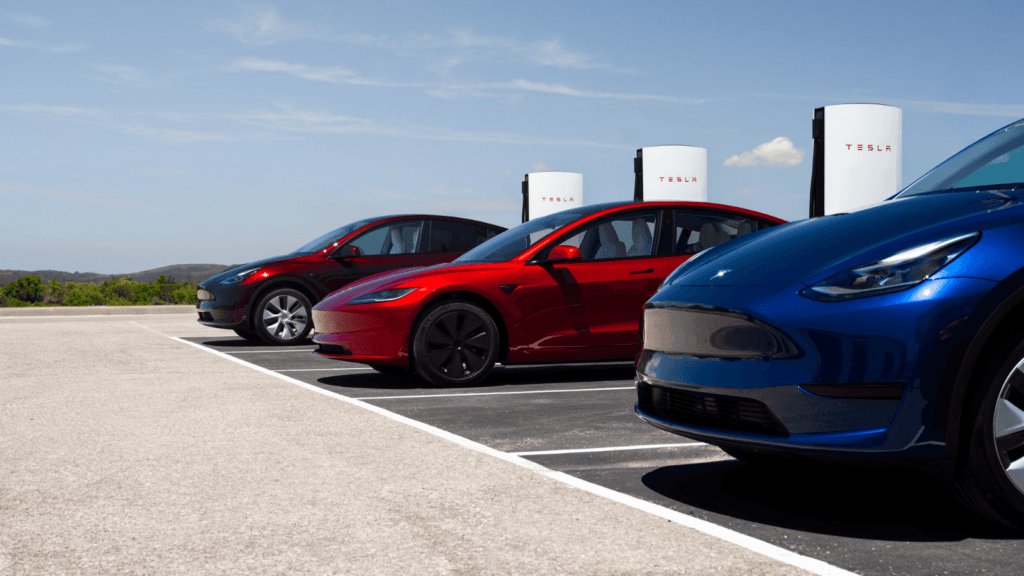
The journey to higher charging speeds reflects the complex evolution of Tesla’s Supercharger technology. While Tesla’s V3 Superchargers were initially limited to 250 kilowatts, the company has been steadily working to increase charging capabilities to meet the demands of newer EVs.
To understand the current charging landscape, it is important to note the distinction between different Supercharger generations. The latest deployment includes what Tesla internally calls “V3+” stations, which combine new V4 charging posts with existing V3 cabinets. These hybrid stations now support the increased 325-kilowatt charging speed, representing an interim step before the introduction of full V4 stations.
Opening Superchargers to Non-Tesla EVs
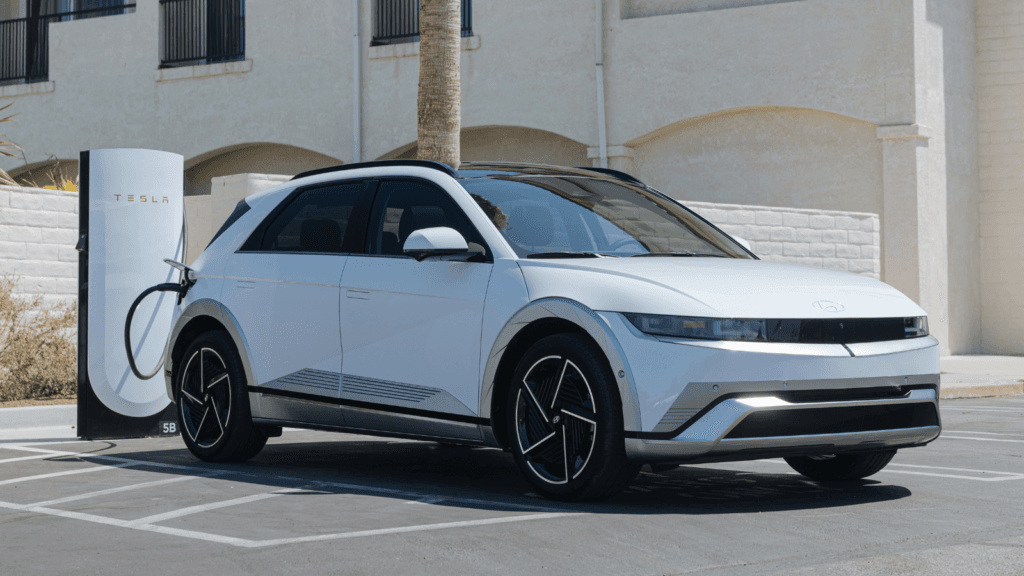
Particularly, the timing of this upgrade is noteworthy as Tesla opens its Supercharger network to non-Tesla vehicles. Many modern EVs from other manufacturers, such as the Hyundai IONIQ 5 and Kia EV6, feature 800-volt architectures capable of charging at rates up to 400 kilowatts. The increased charging speed helps Tesla maintain competitiveness in the broader EV charging marketplace.
Furthermore, Tesla has even more ambitious plans for its charging infrastructure. The company has announced the upcoming deployment of complete V4 Supercharger stations with V4 cabinets, which will be capable of delivering up to 500 kilowatts of power. These stations are currently in the permitting phase, with the first locations expected to open shortly.
Efficient Supercharger Production
The rapid expansion of Tesla’s charging network has been facilitated by the company’s innovative approach to manufacturing. Production of pre-fabricated Supercharger stalls at Tesla’s Buffalo, New York plant has enabled faster deployment while reducing costs. These savings are already being passed on to consumers, with many locations seeing lower charging prices in late 2024.
Moreover, Tesla has also focused on improving the overall charging experience beyond just speed increases. Recent updates include the deployment of longer cables to better accommodate non-Tesla vehicles and enhanced accuracy in reporting stall availability through the navigation system.
Adapting Charging Infrastructure for EV Growth
The development spotlights how charging infrastructure continues to evolve alongside EV technology, with higher voltage architectures and faster charging speeds becoming increasingly important differentiators in the competitive EV market. As more automakers adopt 800-volt architectures and higher charging capabilities, the charging infrastructure will need to keep pace with these advancements to support the next generation of EVs.
If you are looking for Tesla models, we can help you get started. Click Here to find the best deals near you. Want to learn more about EV? Thinking of buying an EV? Head over to EV.com and discover more.
Comments
Categories
Related news

Subscribe for EV News and Reviews

AI Employee for Car Dealerships
Results in 30 days - Or We'll Give You Your Money Back