Tesla Initiates Massive Recalls Of 1.8 Million EVs In U.S. Over Hood Latch Software Issue
Tesla’s Recall Affects Model S, Model X, Model 3, and Model Y EVs
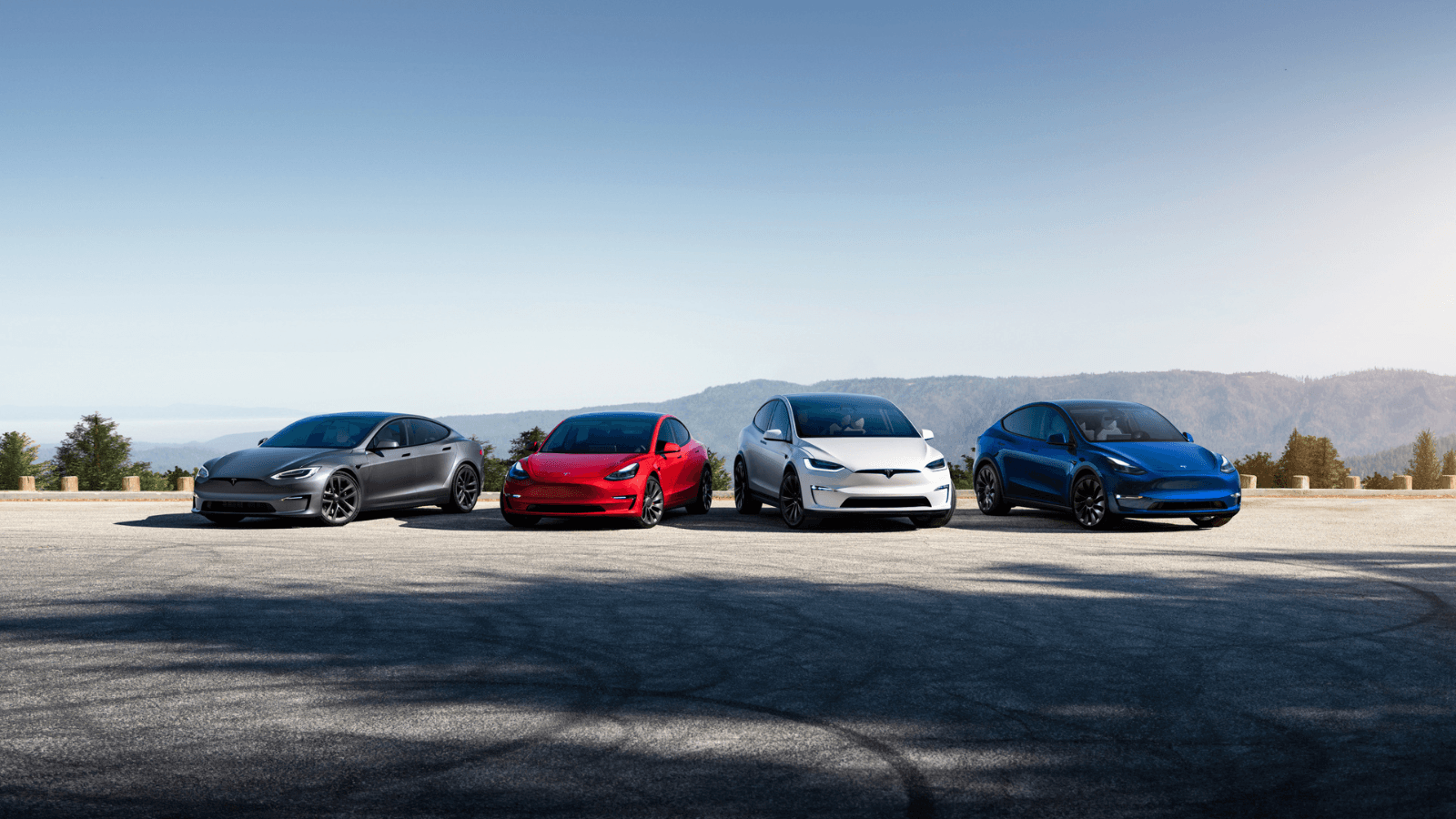
Tesla has initiated a major safety recall affecting around 1.8 million electric vehicles (EVs) in the United States (U.S.). The recall addresses a software issue that could prevent the detection of an unlatched hood, potentially leading to dangerous driving conditions.
The recall contains many Tesla models including 2013 to 2024 Model S, 2016 to 2024 Model X, 2017 to 2024 Model 3, and 2020 to 2024 Model Y EVs. According to the National Highway Traffic Safety Administration (NHTSA), the total number of affected EVs is 1,850,363. However, Tesla estimates only 1% of these actually have the defect.
The issue originates from a fault in the hood latch assembly that may fail to detect when the hood is open. As a result, this could not notify the driver of an open hood state, even when the EV is in motion. If the hood were to fully open while driving, it could obstruct the driver’s view and increase the risk of a collision.
Tesla’s investigation into the issue started on March 25, 2024, following Tesla owner complaints about unintended hood opening events on Model 3 and Model Y EVs in China. The company identified the fault as latch switch deformations, particularly evident in EVs produced in China.
Despite the large number of EVs involved, Tesla has reported only three warranty claims or field reports related to this issue on U.S. soil. Notably, the company states that it is not aware of any crashes, injuries, or deaths resulting from this fault.
In response to the recall, Tesla has already started rolling out an over-the-air (OTA) software update to address the issue. The update, which began deployment on June 18, 2024, includes firmware release 2024.20.3 or later, which detects an open hood and provides a user interface notification of the hood’s open state.
EV Recalls In The U.S.
As of now, this recall is Tesla’s largest since last December when it recalled 2.03 million U.S. EVs to install new safeguards in its Autopilot system. However, unlike traditional recalls that require physical repairs, Tesla’s ability to address the issue through a software update is advantageous to its connected vehicle technology.
The number of brands recalling their EVs due to different concerns have been rising with recent instances including nearly 32,000 Porsche Taycan units due to brake issues and over 18,000 Fisker Ocean EVs due to software and compliance concerns. Interestingly, Tesla had initiated over 11,000 recalls of its Cybertruck model due to the exterior truck bed trim and windshield wiper motor issues.
With this recall arrived at a challenging time for Tesla, which recently reported its Q2 2024 earnings result that fell short of earnings per share at $0.52. Nonetheless, the OTA software update being capable of swiftly solving the issue makes it less conveniently safer. As the software update continues to roll out, Tesla owners are advised to ensure their EVs receive the latest firmware version.
If you are looking for Tesla models, we can help you get started. Click Here to find the best deals near you. Want to learn more about EV? Thinking of buying an EV? Head over to EV.com and discover more.
Comments
Categories
Related news

Subscribe for EV News and Reviews

AI Employee for Car Dealerships
Results in 30 days - Or We'll Give You Your Money Back