Tesla Fourth Quarter and Full Year 2025 Earnings Results and Analysis
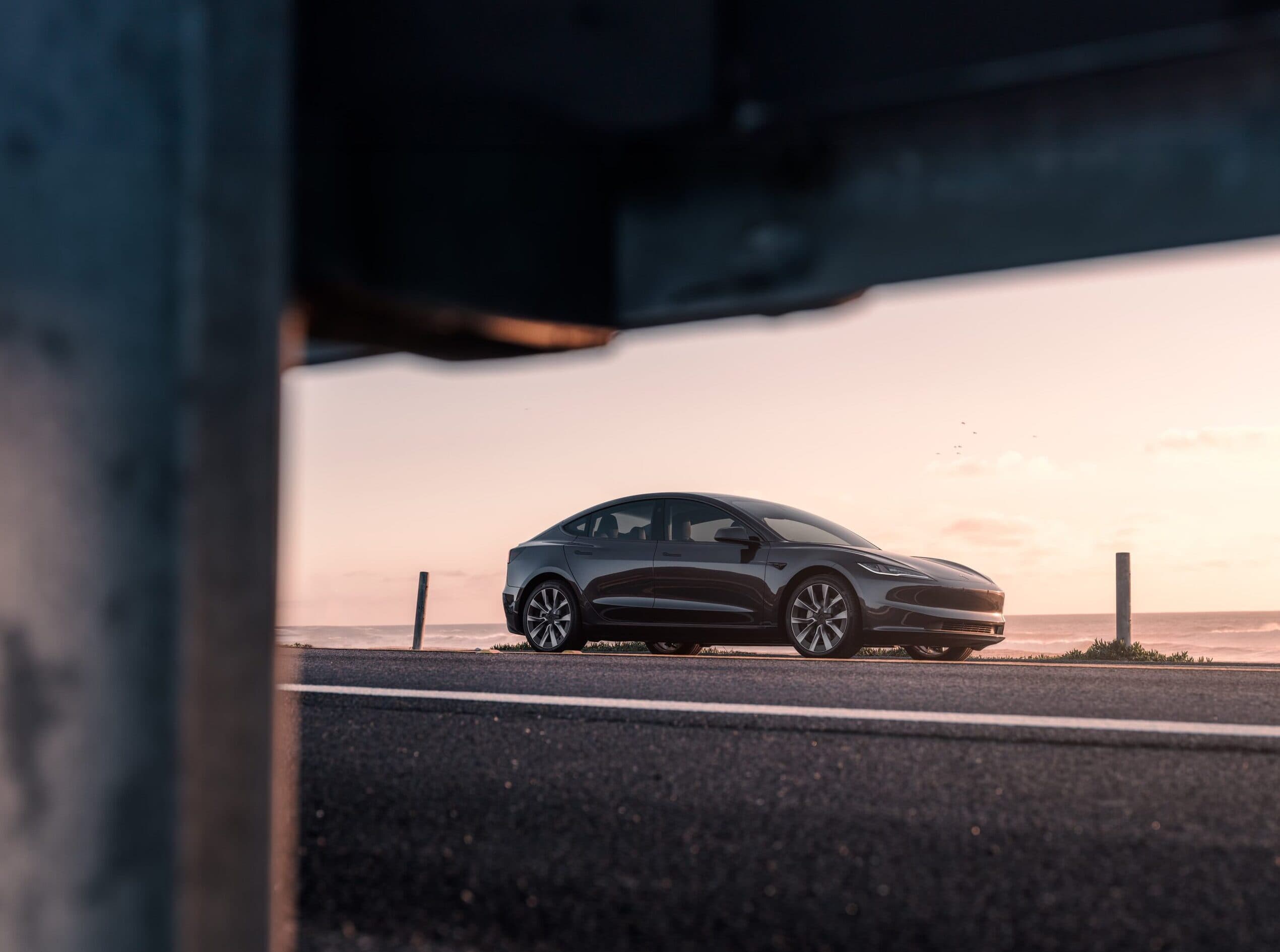
Tesla (TSLA) reported improving automotive margins and record energy results in the fourth quarter of 2025, even as deliveries declined and costs rose, according to executives during the company’s earnings call.
Management also outlined major strategic shifts, including winding down Model S and X production, expanding robotaxi operations, and ramping investment in artificial intelligence and robotics.
Tesla margins improve as energy business hits records
Tesla said automotive margins excluding regulatory credits improved sequentially to 17.9%, up from 15.4% in the prior quarter, despite a 16% decline in deliveries. Total gross margin exceeded 20.1%, the company’s highest level in more than two years, even as fixed-cost absorption and tariffs weighed on results.
Tesla’s energy segment delivered one of its strongest quarters to date. Revenue from energy generation and storage reached nearly $12.8 billion, up 26.6% year over year, driven by high deployments of MegaPack and Powerwall across global markets. Energy gross profit hit a new quarterly record, though management cautioned that margins could face pressure from increased competition, policy uncertainty, and tariffs, according to The Motley Fool.
Free cash flow ended the quarter at $1.4 billion, while operating expenses rose by roughly $500 million, largely due to higher stock-based compensation and service center expansion to support a growing fleet.
Tesla pivots toward autonomy, robotics, and AI investment
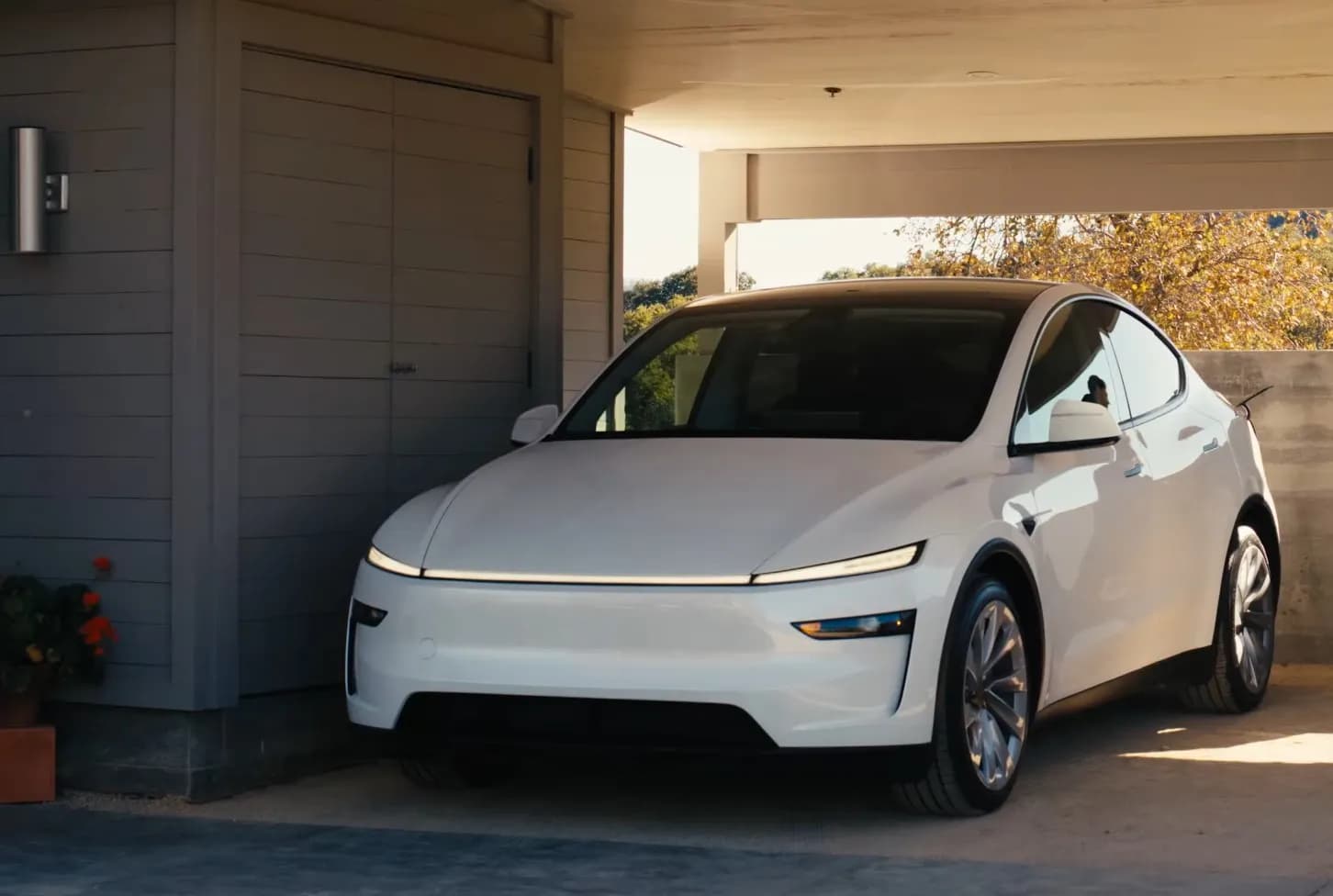
During the call, CEO Elon Musk confirmed that Tesla expects to wind down production of the Model S and Model X next quarter, with the Fremont production line slated for conversion into an Optimus robot factory targeting annual capacity of up to one million units.
Musk also said Tesla’s robotaxi program had surpassed 500 vehicles operating between the Bay Area and Austin, adding that the fleet is currently doubling on a monthly basis. Production of the fully autonomous CyberCab is expected to begin in April, with Musk describing a long-term trajectory in which CyberCab becomes Tesla’s highest-volume vehicle.
Full Self-Driving paid users climbed to nearly 1.1 million worldwide, with Tesla completing a transition to a subscription-based sales model. Management said the shift is expected to create short-term pressure on automotive margins. Looking ahead, Tesla forecast capital expenditures exceeding $20 billion next year, focused on factories, AI compute infrastructure, fleet expansion, and future semiconductor manufacturing to mitigate long-term chip supply risks.
EV.com tracks the evolving EV collector space and performance electric vehicles hitting the market. Explore our listings to find the best EVs in your area available today.
Comments
Categories
Related news
Subscribe for EV News and Reviews

AI Employee for Car Dealerships
Results in 30 days - Or We'll Give You Your Money Back