Scout Motors Pushes Direct EV Sales Despite Dealer Lawsuits
The Volkswagen-backed startup plans to bypass traditional dealerships entirely, even as lawsuits challenge whether the approach violates franchise laws tied to its parent company.
Scout Motors is moving forward with a factory-direct sales model despite mounting legal pressure from dealer groups, setting up a high-stakes clash over how vehicles are sold in the U.S.
The Volkswagen-backed startup plans to bypass traditional dealerships entirely, even as lawsuits challenge whether the approach violates franchise laws tied to its parent company.
Direct-to-consumer strategy drives tension with dealer networks
Scout Motors CEO Scott Keogh made it clear that selling vehicles directly to customers remains central to the brand’s strategy. “Direct-to-consumer” sales are “100% of the plan,” he said, emphasizing the company’s commitment despite legal opposition.
The approach would allow Scout to bypass franchised dealerships, giving the company full control over pricing, customer experience, and retail margins. Instead of selling vehicles wholesale to dealers, Scout aims to transact directly with buyers, capturing the full revenue stream, according to Wards Auto.
This strategy has sparked multiple lawsuits from dealer associations, including filings that allege violations of franchise laws due to Scout’s ties to Volkswagen Group. Dealer groups argue that even without an existing franchise network, the brand’s corporate connections may still subject it to traditional retail rules.
The dispute highlights a broader industry divide, as legacy automakers continue to rely on dealership networks while newer EV entrants push for more vertically integrated sales models.
EV launch plans and market realities shape Scout’s path forward
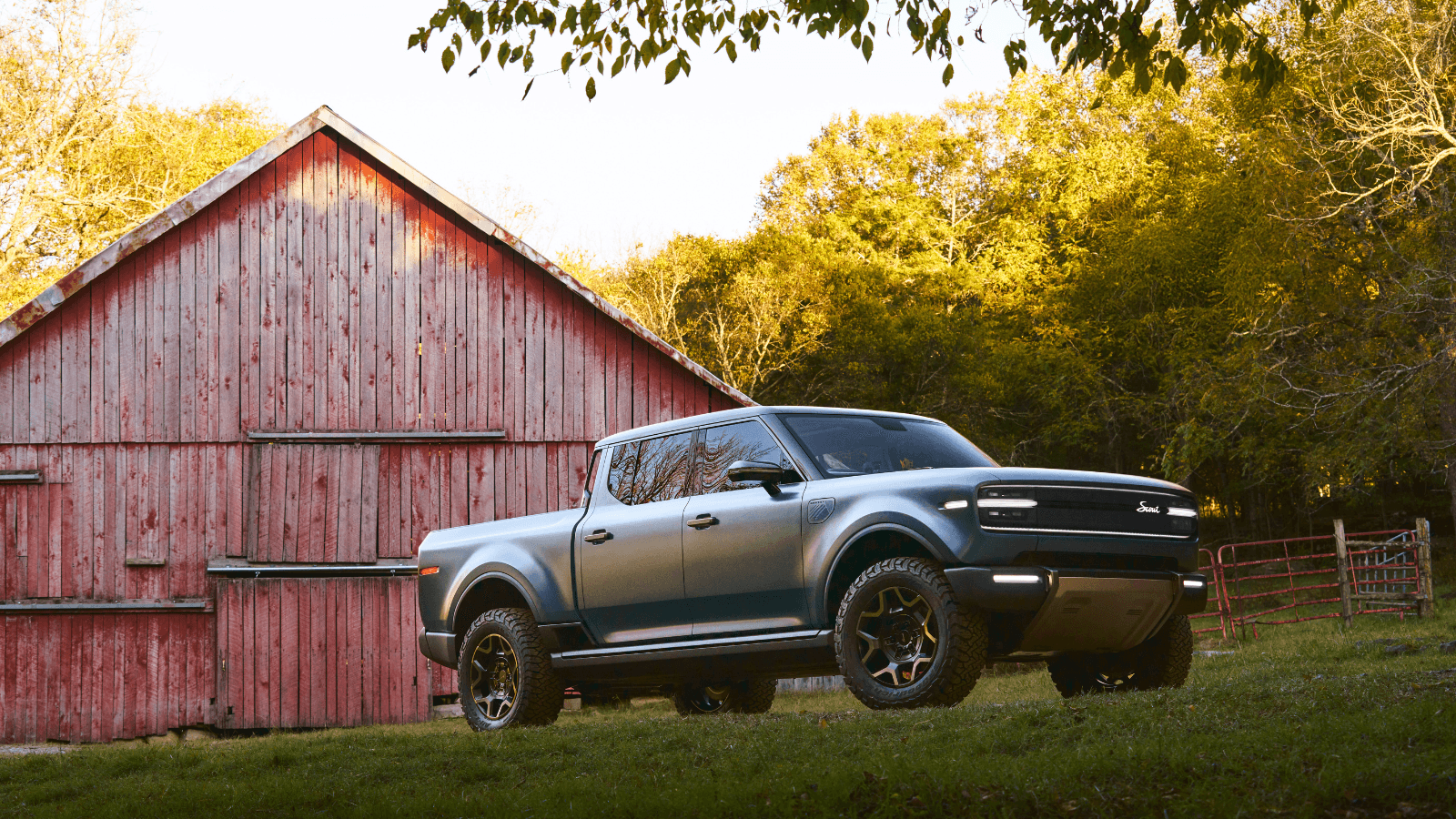
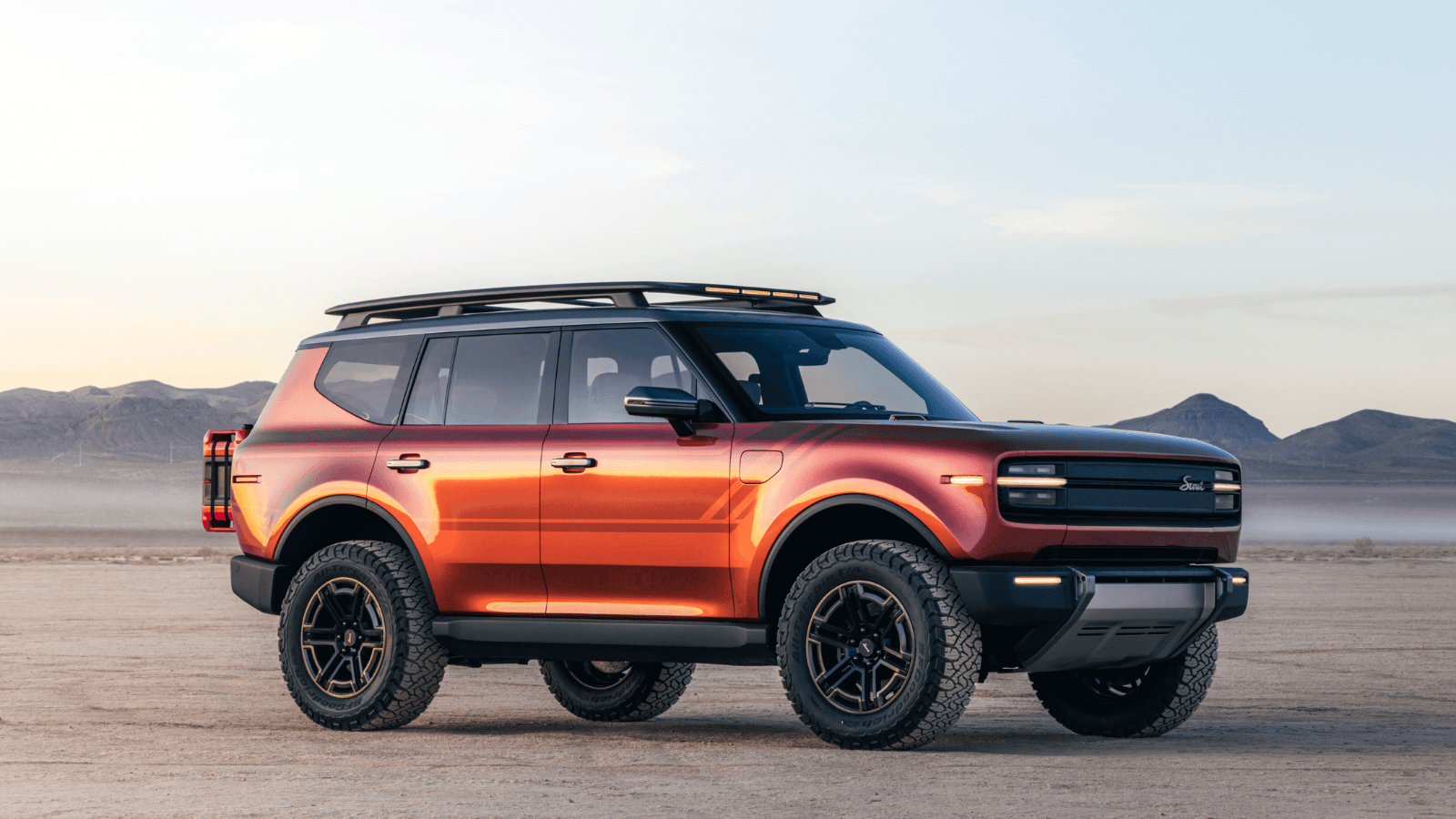
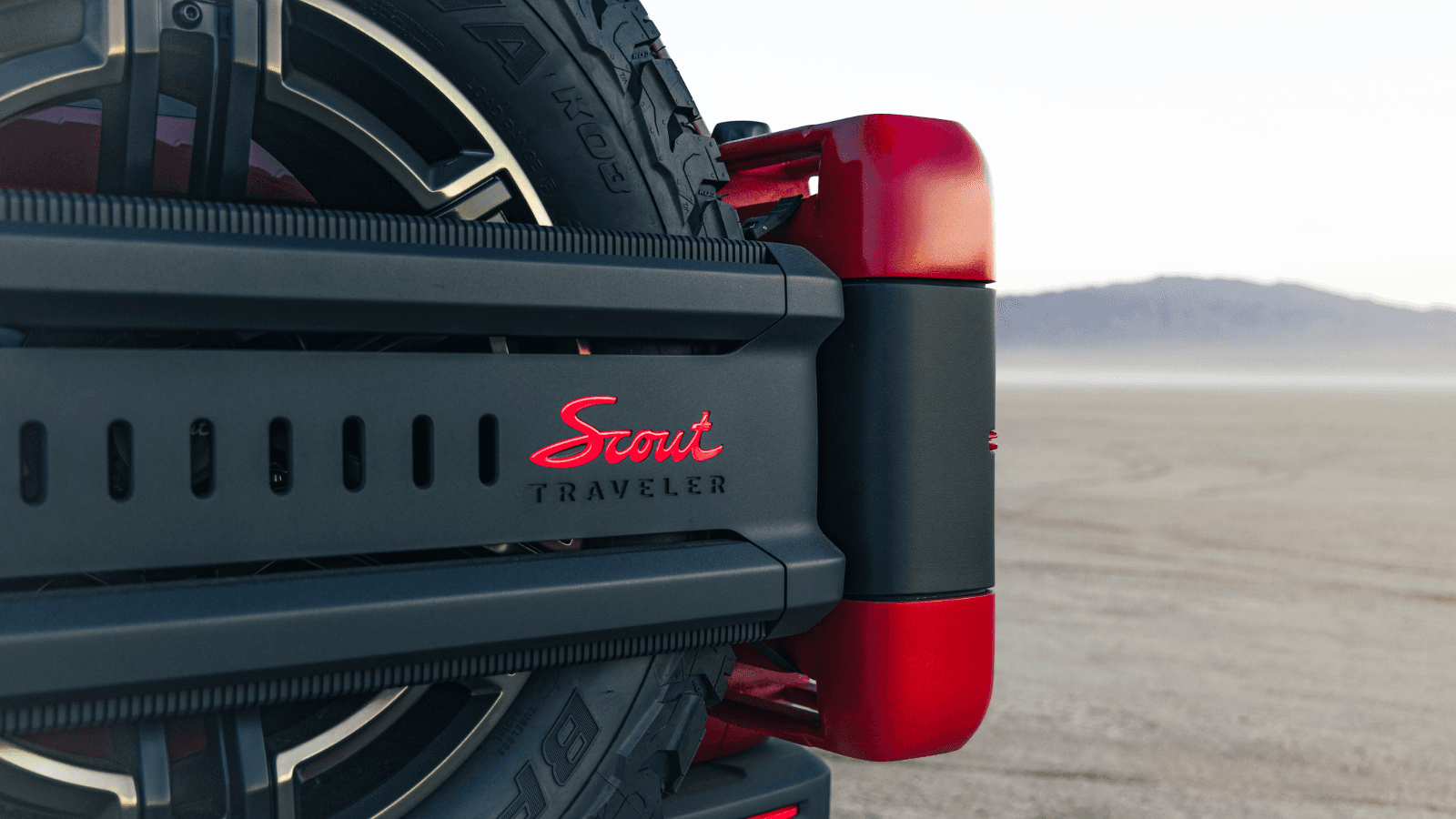
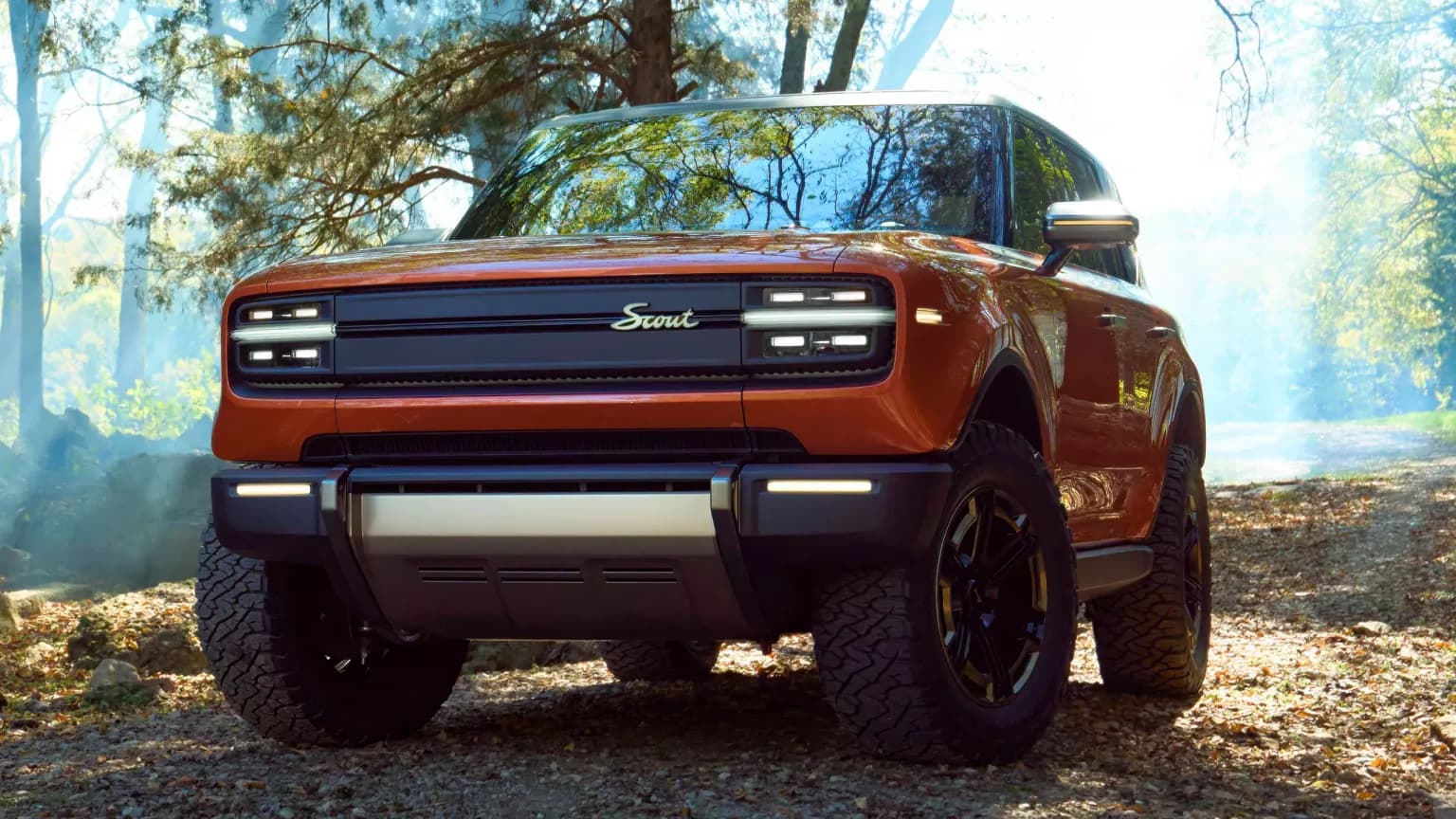
Scout Motors is targeting a 2028 market entry with two electric vehicles: the Scout Traveler and the Scout Terra. The company is building out its manufacturing footprint in South Carolina and establishing its headquarters in North Carolina as it prepares for launch.
The decision to debut in the SUV and pickup segments reflects strong U.S. demand, though analysts note that growth in the pickup market has remained relatively flat over the past two decades. Electrified trucks, in particular, have yet to achieve widespread traction, adding another layer of complexity to Scout’s ambitions.
Beyond sales, service infrastructure remains an open question. Unlike traditional automakers with extensive dealer networks, direct-sales EV companies often face challenges in scaling maintenance and repair capabilities. Some industry observers have suggested leveraging existing Volkswagen, Audi, or Porsche dealer networks for service support, though such arrangements appear unlikely given the current tensions.
As Scout advances toward launch, its direct-sales model could reshape how EVs are marketed and sold if it can navigate legal challenges and operational hurdles along the way.
EV.com tracks the evolving EV collector space and performance electric vehicles hitting the market. Explore our listings to find the best EVs in your area available today.
Comments
Categories
Related news
Subscribe for EV News and Reviews

AI Employee for Car Dealerships
Results in 30 days - Or We'll Give You Your Money Back