Rivian Faces Lawsuit Over Driver+ Hands-Free Driving Claims For Early R1T And R1S Models
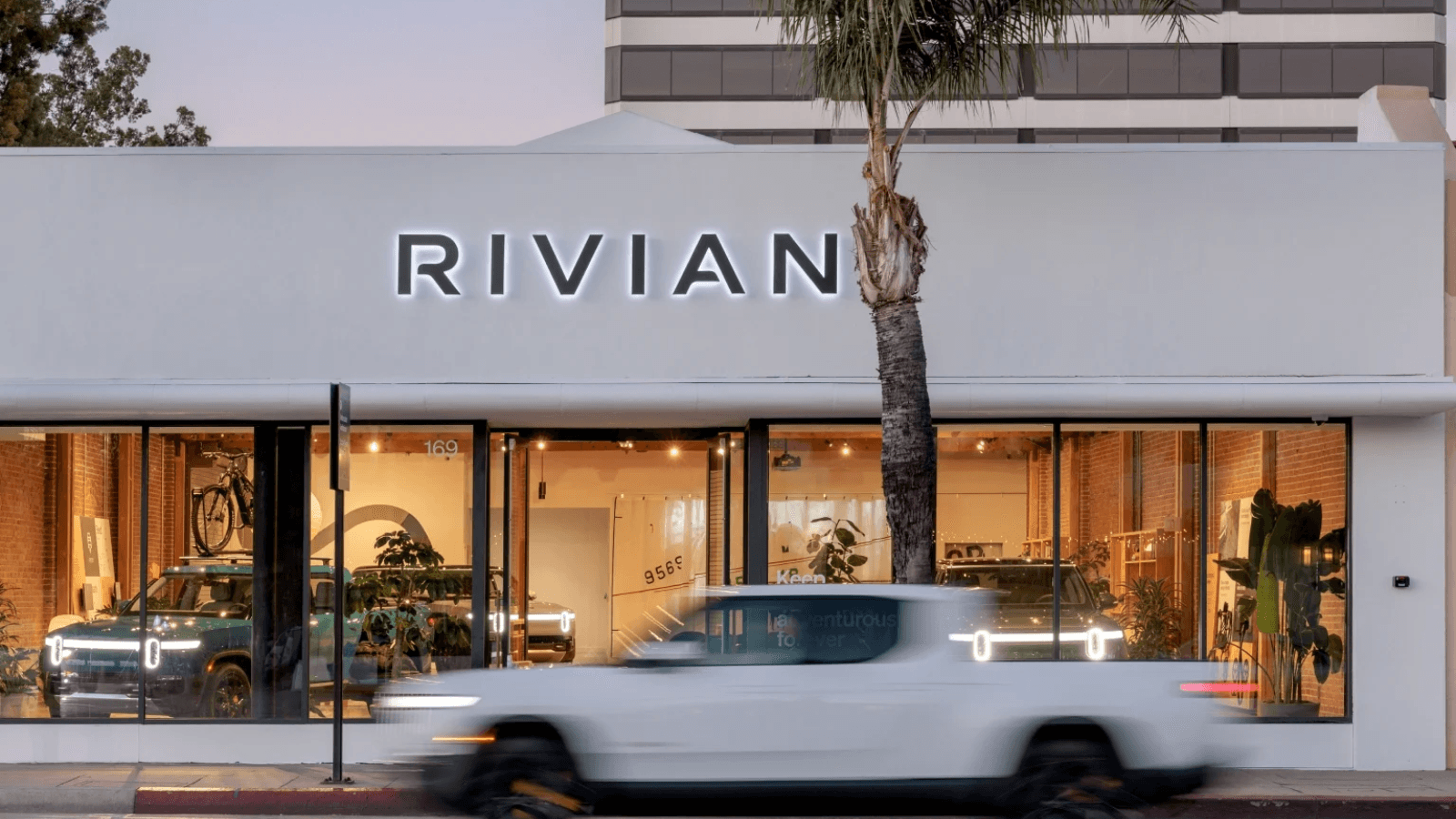
Rivian has been hit with a proposed class-action lawsuit alleging that the automaker misrepresented the future autonomous driving capabilities of its first-generation R1T pickup and R1S SUV.
The complaint, filed in federal court in California, claims Rivian led customers to believe that Gen 1 vehicles would eventually receive software updates enabling hands-free and eyes-off driving, despite allegedly knowing those capabilities would never be achievable on the platform.
Lawsuit Targets Promises Made About Driver+
The complaint was filed in the U.S. District Court for the Central District of California and focuses specifically on first-generation Rivian vehicles. According to the lawsuit, Rivian spent years promoting Driver+, its advanced driver assistance system, as a technology platform that would evolve through future software updates.
Plaintiffs argue that buyers were led to believe their vehicles would eventually support hands-free, eyes-off driving functionality, according to RivianTrackr. That level of capability aligns with what the Society of Automotive Engineers classifies as Level 3 autonomy, where a vehicle can manage steering, acceleration, and braking under certain conditions without requiring the driver’s constant attention.
Unlike traditional driver assistance systems, Level 3 technology allows drivers to temporarily take their eyes off the road, though they must remain available to retake control when requested.
The lawsuit cites multiple statements made by Rivian over roughly five years, including comments attributed to CEO RJ Scaringe during public appearances discussing the company’s autonomous driving roadmap.

Plaintiffs Claim Gen 1 Hardware Cannot Deliver Promised Features
At the center of the complaint is the allegation that Rivian knew the hardware installed in Gen 1 R1T and R1S vehicles would never be capable of delivering the hands-free driving features customers were allegedly led to expect.
The lawsuit argues that no future software update, regardless of sophistication, can overcome the hardware limitations of the first-generation platform. As a result, plaintiffs claim buyers paid for vehicles based partly on expectations that cannot be fulfilled.
The case highlights a growing challenge facing automakers as software-defined vehicles become increasingly common. Many manufacturers market future capabilities that are expected to arrive through over-the-air updates, but disputes can emerge when promised features are delayed, modified, or never materialize.
Rivian has not publicly responded to the allegations outlined in the complaint. As the case moves through the legal process, it could draw increased attention to how automakers communicate future autonomous driving plans and the distinction between long-term technology ambitions and capabilities that can realistically be delivered to existing vehicle owners.
EV.com tracks the evolving EV collector space and performance electric vehicles hitting the market. Explore our listings to find the best EVs in your area available today.
Comments
Categories
Related news

Subscribe for EV News and Reviews

AI Employee for Car Dealerships
Results in 30 days - Or We'll Give You Your Money Back