Rivian Explores Building Lidar Sensors With China-Linked Partnerships
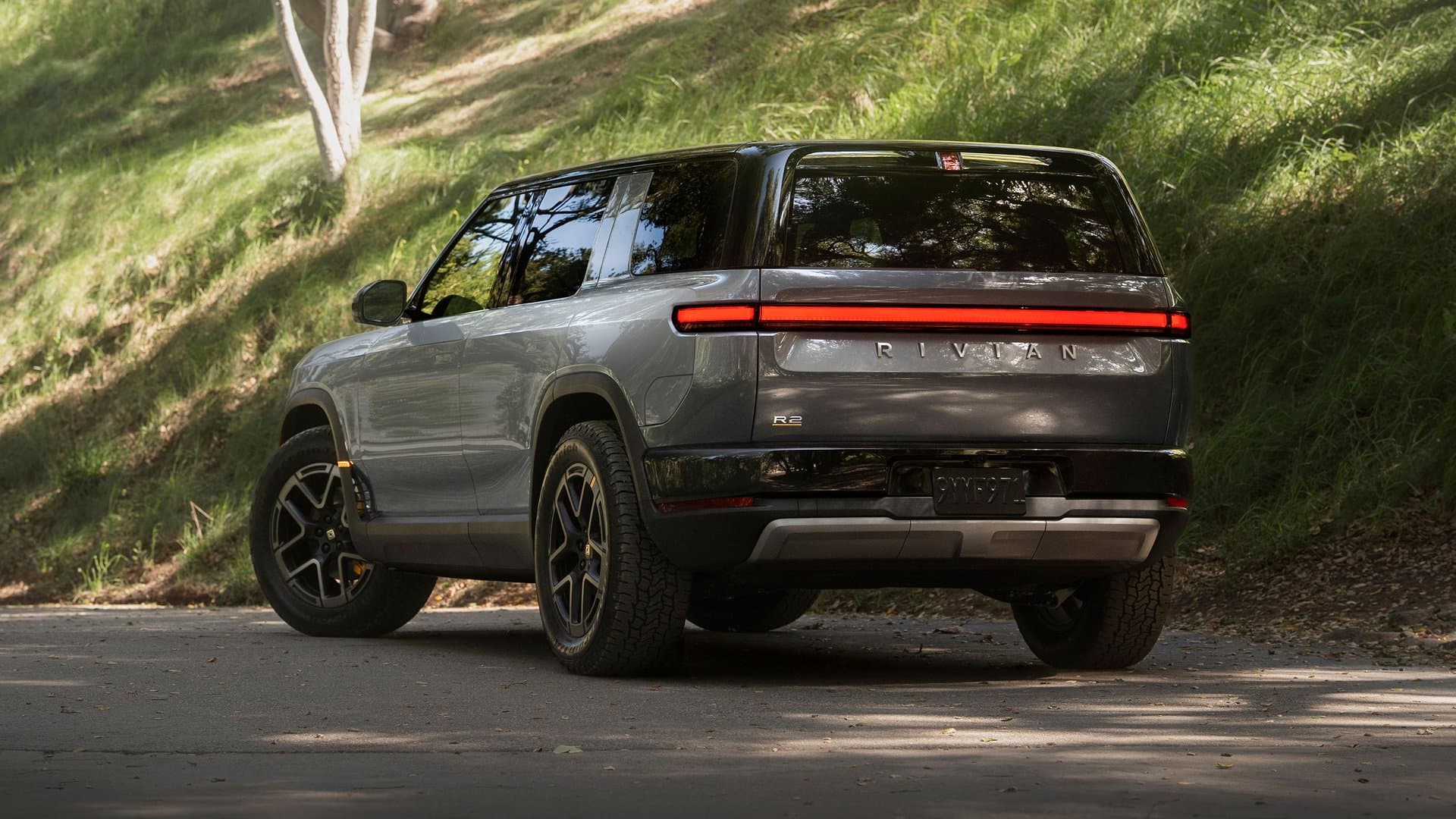
The company could pursue the effort in partnership with a Chinese firm, as it ramps investment in both sensors and in-house chips for future vehicle platforms, including versions of its upcoming R2 models.

Rivian is considering developing its own lidar sensors as part of its broader push into proprietary self driving technology, CEO RJ Scaringe said in a Reuters interview.
The company could pursue the effort in partnership with a Chinese firm, as it ramps investment in both sensors and in-house chips for future vehicle platforms, including versions of its upcoming R2 models.
Rivian explores lidar production with potential China-linked partnerships
Scaringe confirmed that Rivian is evaluating options to produce lidar sensors, which are expected to be included in a version of its R2 vehicles coming later this year. The company has not disclosed a supplier, though demonstration vehicles have featured smaller sensors compared to those used in robotaxis developed by Waymo.
Chinese firms currently dominate the market for smaller and more affordable lidar units. Scaringe said cost and availability are key considerations. “All the real choices are coming out of China” for sensors in the “low hundreds of dollars price point,” he said.
Rather than sourcing directly, Rivian is considering producing lidar in the United States using Chinese technology, potentially through a joint venture, according to Reuters.
“Think of it as finding a way to structurally ingest the technology,” Scaringe said. He added that “the advancements in terms of going from the early lidars that I think a lot of us have seen to these much more advanced solid state lidars, those advancements did not happen in the United States. Those advancements happened in China.”
The CEO said Rivian is in “active discussions” with lidar firms and indicated that collaboration could extend across the industry. “A number of different car manufacturers are thinking about how they could do that either together, or at least through a shared alignment,” he said, referring to potential efforts to build production capacity outside China.

Custom chip investment expands alongside autonomy ambitions
Rivian’s lidar considerations come alongside a significant investment in custom silicon. The company is committing “many hundreds of millions of dollars” to its chip program, which is central to its self-driving roadmap.
Its first chip, known internally as the Rivian Autonomy Processor or RAP-1, is expected to arrive this year. Scaringe said Rivian plans to release updated chips “every couple of years,” including RAP-2 and RAP-3, which will be built on more advanced technology than the 5-nanometer process used for RAP-1.
He emphasized that the effort is ongoing rather than a one-time investment. “It’s not like you invest a few hundred million dollars and it’s done,” Scaringe said. “We’ve built a team. That team is going to continue to develop future versions of the platform.”
EV.com tracks the evolving EV collector space and performance electric vehicles hitting the market. Explore our listings to find the best EVs in your area available today.
Comments
Categories
Related news


Subscribe for EV News and Reviews

AI Employee for Car Dealerships
Results in 30 days - Or We'll Give You Your Money Back