Lucid Faces Class Action Over 20,000-Vehicle 2022 Production Target
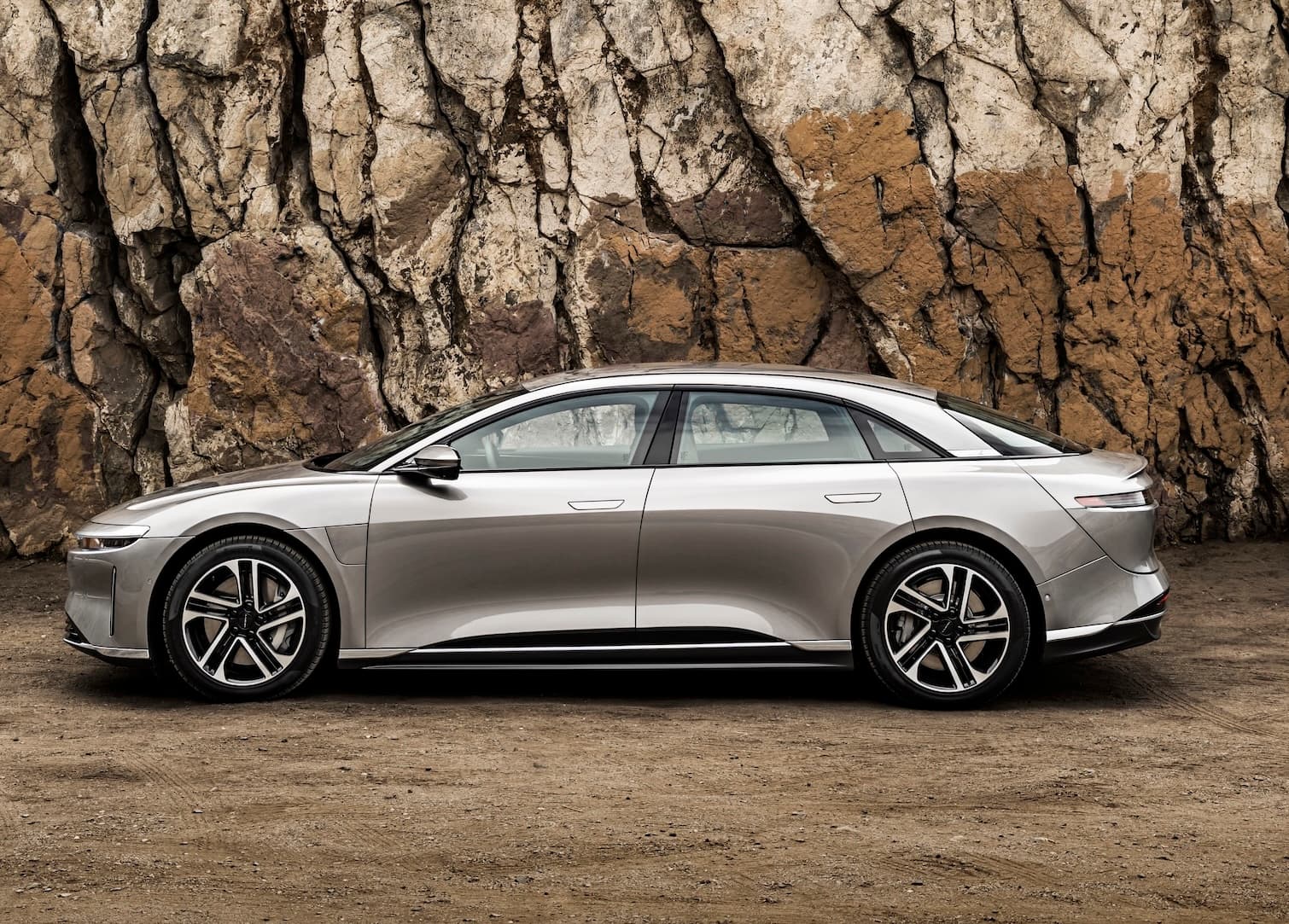
A federal judge has certified a class of Lucid shareholders suing the automaker and former CEO Peter Rawlinson over the company’s 2022 production forecast.
The class covers investors who acquired Lucid common stock between November 15, 2021, and August 3, 2022, as the four-and-a-half-year-old securities case moves toward trial or a potential settlement.
Investors Challenge Lucid’s 20,000-Vehicle Forecast
U.S. District Judge Araceli Martínez-Olguín of the Northern District of California granted the motion for class certification on September 25. Sweden’s state pension fund Sjunde AP-Fonden, known as AP7, was appointed class representative, while Kessler Topaz Meltzer & Check was appointed class counsel.
AP7 alleges that Lucid and Rawlinson told investors the company was on track to produce 20,000 vehicles in 2022 while allegedly knowing that internal logistics problems could prevent it from reaching that target. The allegations concern Lucid’s production capabilities, logistics systems and other factors affecting its ability to manufacture the Air sedan, according to EV.
Lucid’s own November 2021 results release confirms that Rawlinson said the company remained confident it could achieve 20,000 units in 2022, while acknowledging ongoing supply-chain and logistics challenges.
Lucid subsequently reduced its 2022 production forecast to 12,000 to 14,000 vehicles in February 2022 and then to 6,000 to 7,000 vehicles in August. The company ultimately produced 7,180 vehicles during 2022.
The lawsuit alleges that the earlier statements failed to disclose the extent of Lucid’s internal production and logistics problems. Those allegations have not been proven, and the class-certification ruling does not determine whether the challenged statements were false or misleading.

Judge Rejects Lucid’s Challenge to Class Certification
Lucid argued that the case should face a stricter damages analysis based on a Fourth Circuit ruling involving Boeing shareholders. Judge Martínez-Olguín rejected that argument, finding that the requirements Lucid proposed were inconsistent with applicable Ninth Circuit precedent.
The judge also rejected Lucid’s argument that AP7 was an unsuitable class representative because it acquired Lucid shares through index-tracking strategies.
The certified class includes investors who purchased or otherwise acquired Lucid common stock during the period beginning November 15, 2021, and ending August 3, 2022, subject to exclusions specified in the court’s order.
The case is now positioned to proceed with the certified investor class. The two sides have also participated in mediation, according to the supplied source, although the current court order does not resolve the underlying allegations.
Lucid faces a separate securities lawsuit concerning the Gravity SUV, but that case is distinct from the production-forecast litigation covered here.
EV.com tracks the evolving EV collector space and performance electric vehicles hitting the market. Explore our listings to find the best EVs in your area available today.
Comments
Categories
Related news

Subscribe for EV News and Reviews

AI Employee for Car Dealerships
Results in 30 days - Or We'll Give You Your Money Back