Jim Farley Says Ford’s Future Is Hybrids, EREVs, and $30K EVs
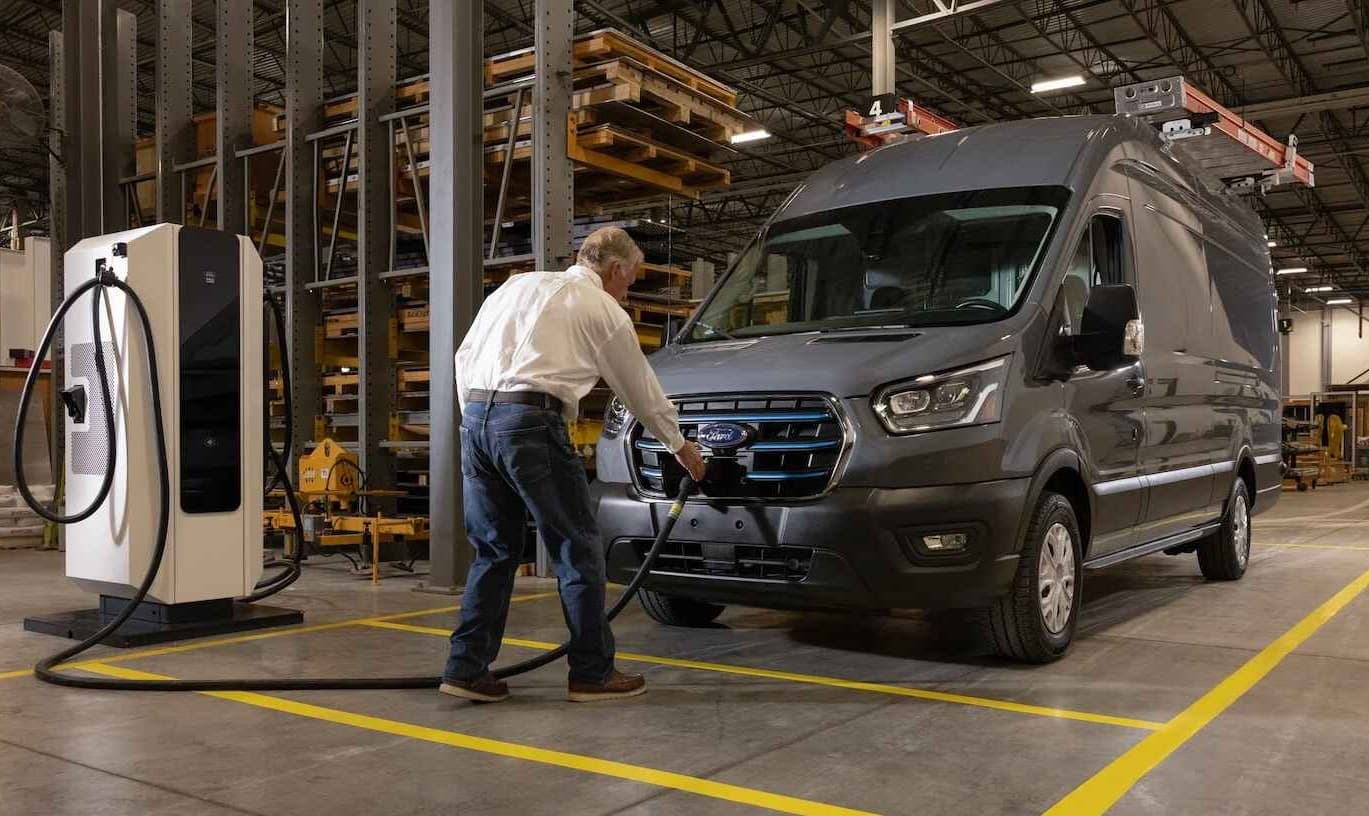
Ford Motor Company CEO Jim Farley says the automaker is reworking its entire powertrain strategy, with hybrids and extended-range electric vehicles set to span the full lineup. The shift reflects changing consumer demand, as Ford pivots away from an all-in EV push toward a broader mix that blends affordability, flexibility, and electrification.
Ford bets on hybrids and EREVs across its lineup
Speaking on CNBC, Jim Farley said Ford now envisions a future where every nameplate offers either hybrid or EREV options, complemented by a new generation of lower-cost EVs. Farley framed the move as a response to what American buyers are actually choosing today, rather than where automakers once assumed the market was headed.
Ford originally announced plans in 2024 to expand hybrids across its internal combustion-focused Blue lineup by 2030. Since then, softer-than-expected EV demand and persistent price sensitivity have prompted a broader rethink. Under the updated strategy, Ford will push forward with three parallel tracks: expanded hybrid offerings, affordable EVs, and EREVs designed for customers who want electric driving without range anxiety, according to Ford Authority.
Hybrids remain central to the plan, with Ford focusing on three categories: efficiency-oriented models, performance hybrids, and hybrids with exportable power that can function as mobile generators, similar to today’s Pro Power Onboard systems.
Affordable EVs and EREVs shape Ford’s next phase
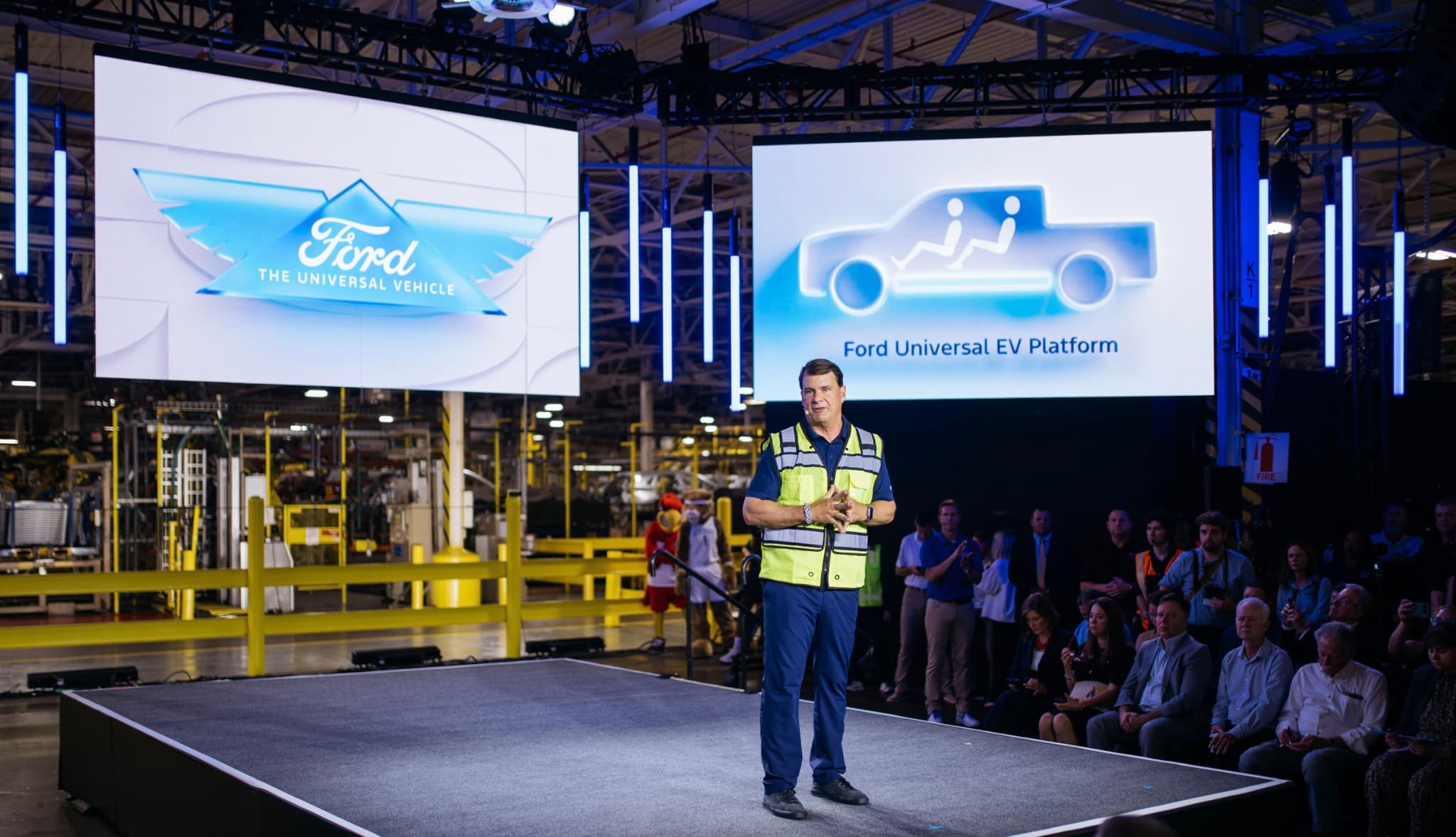
On the EV side, Ford’s next major step is a midsize electric pickup expected to enter production in 2027 with a starting price around $30,000. That truck will be the first vehicle built on Ford’s new Universal EV Platform, which will also underpin additional low-cost electric models.
EREVs, meanwhile, are positioned as a key bridge technology. These vehicles pair large battery packs with onboard gasoline generators that recharge the battery, extending driving range and reducing charging downtime. Unlike traditional hybrids, the gas engine in an EREV does not drive the wheels directly, operating solely as a power source. Farley has previously described EREVs as particularly well suited for larger vehicles, where weight, towing, and long-distance use can strain pure battery-electric designs.
Taken together, the strategy marks a decisive shift from Ford’s earlier EV-centric roadmap. By spreading hybrids and EREVs across its entire lineup while introducing cheaper EVs, Ford is aiming to meet buyers where they are, balancing electrification goals with cost, convenience, and real-world usability.
EV.com tracks the evolving EV collector space and performance electric vehicles hitting the market. Explore our listings to find the best EVs in your area available today.
Comments
Categories
Subscribe for EV News and Reviews

AI Employee for Car Dealerships
Results in 30 days - Or We'll Give You Your Money Back