IEA Show 4% Increase In Global Electricity Demand For 2024 To 2025 Driven By EVs and Solar
Rapid EV Adoption And Solar Power Fuels Surge In Electricity Demand, Highlighting Need for Expanded Grid Infrastructure
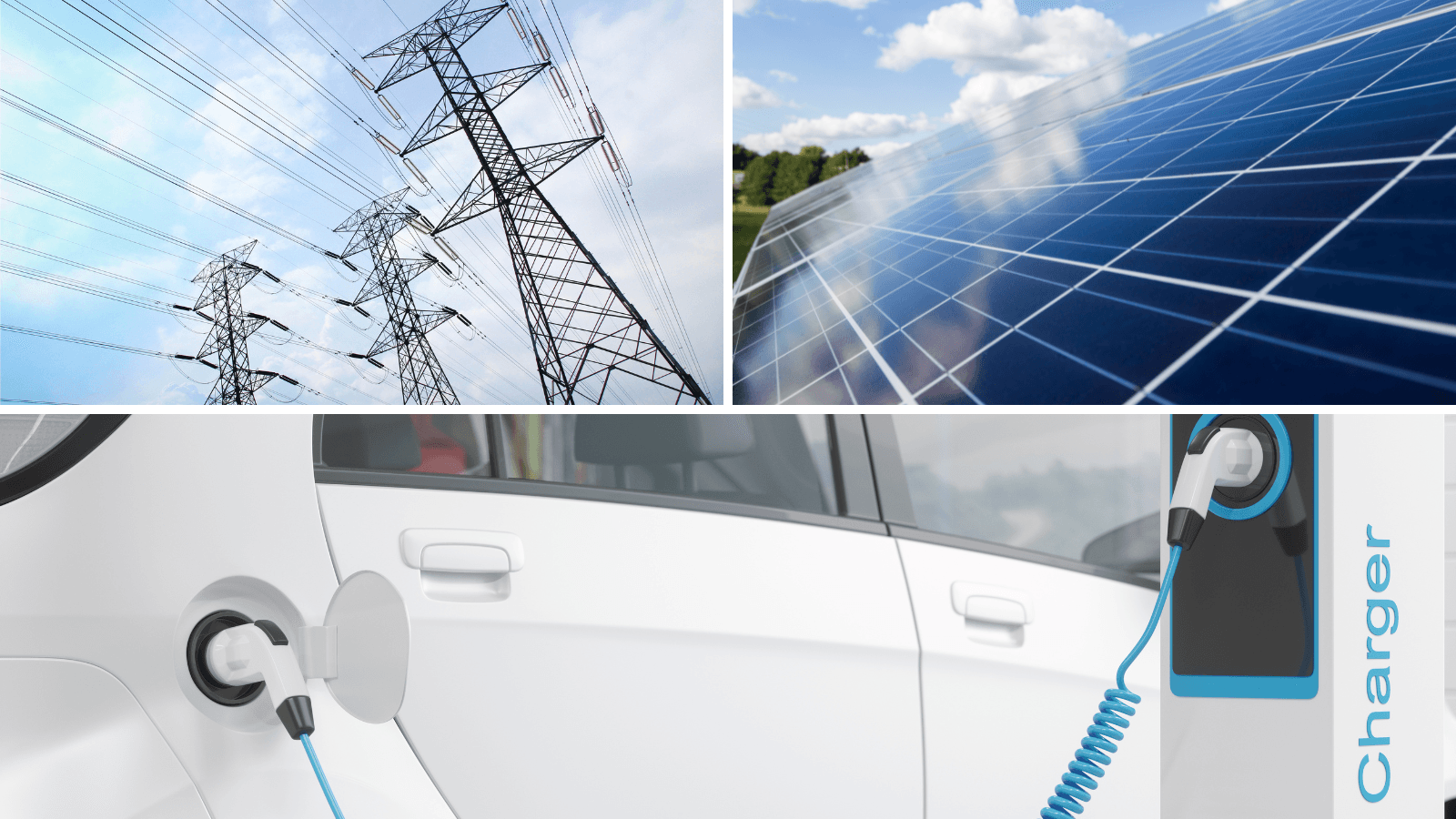
The International Energy Agency (IEA) has released a report, forecasting a major increase in global electricity demand for 2024 and 2025 with electric vehicles (EVs) and solar being contributing factors.
The IEA’s “Electricity Mid-Year Update” report predicts a growth rate of around 4% in both years, marking the highest annual increase since 2007, not including post-crisis rebounds. Notably, this surge in demand is attributed to several factors including economic growth, increasing heatwaves, and the rapid adoption of clean technologies such as EVs.
Keisuke Sadamori, IEA Director of Energy Markets and Security, expressed the significant growth in electricity demand stating, “Growth in global electricity demand this year and next is set to be among the fastest in the past two decades, highlighting the growing role of electricity in our economies as well as the impacts of severe heatwaves.”
Furthermore, renewable energy sources are projected to play a pivotal role in meeting this rising demand. The share of renewables in global electricity supply is projected to increase from 30% in 2023 to 35% by 2025. Solar power is set to be the stand-out performer, with the IEA foretelling that it will meet roughly half of the growth in global electricity demand over the next two years.
In detail regarding regional growth, India is expected to see a large 8% increase in electricity demand this year with China following closely with a projected growth of over 6%. As for the United States (U.S.), it is forecast to experience a 3% rebound in demand, while the European Union (EU) is set for a more modest 1.7% growth.
As the IEA report spotlights the urgent need for expanded and reinforced grid infrastructure to ensure secure and reliable electricity supply. It also calls for the implementation of higher energy efficiency standards to mitigate the impact of increased cooling demand on power systems.
U.S. Electricity Demand Targets
On U.S. soil, electricity demand is experiencing a shift as EVs gain popularity. For example, the electricity demand from the U.S. EV fleet reached 11.2 terawatt-hours in 2021. This initial figure, while substantial, represents only a fraction of the projected demand in the coming years.
Looking ahead to 2030, the projections for EV-related energy demand is clear with energy requirements predicted to skyrocket to 231 terawatt-hours, more than a twentyfold increase from 2021 levels. This dramatic surge is attributed to the anticipated growth of the U.S. EVs, which is expected to reach 48.5 million units by 2030 according to Statista.
While the 2030 projection is indeed remarkable, it is important to note that the growth trajectory is anticipated to continue beyond that point. By 2035, the U.S. EV-related energy demand is projected to reach around 107 terawatt-hours. This figure, though lower than the 2030 projection, still represents a major increase from current levels and underlines the long-term impact of EV adoption on the U.S. energy landscape.
With the global automotive landscape becoming increasingly electrified, the next two years will be critical in shaping the global energy landscape with EVs in mind. As a result, this forwarding trend will be reflected as electricity demand continues to grow.
Want to learn more about EV? Thinking of buying an EV? Head over to EV.com and discover more.
Comments
Categories
Related news


Subscribe for EV News and Reviews

AI Employee for Car Dealerships
Results in 30 days - Or We'll Give You Your Money Back