How EV Charging Works: Home and Public
Learn how EV charging works at home and on the go, from basic setups to fast-charging networks.
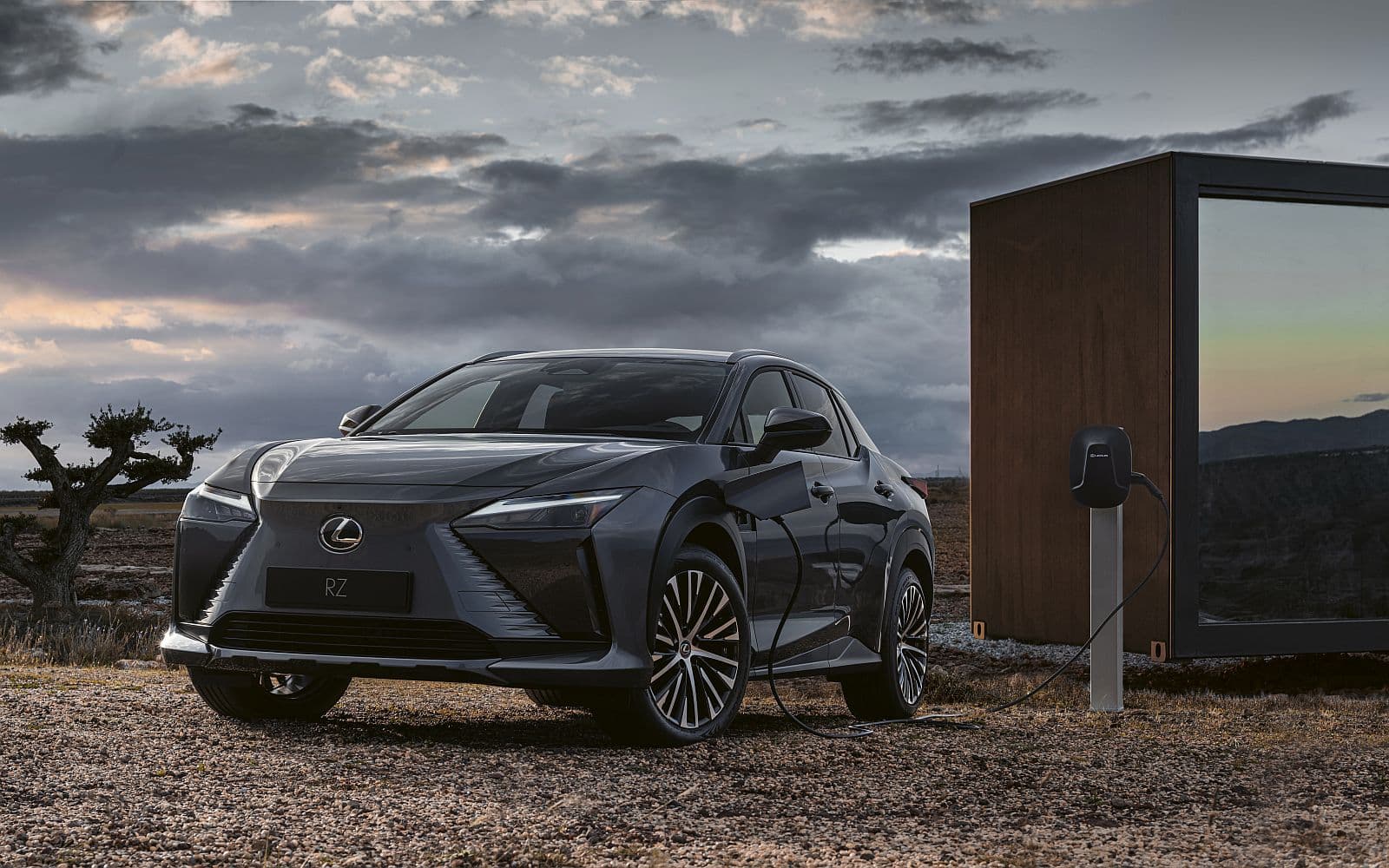
Most EV owners charge their cars on a daily basis, either by plugging in at home or using public fast chargers while on the road. But aside from the obvious difference in charging speed, what really sets these options apart? Should drivers be mindful of how often they rely on public charging compared to home charging, or does it make little to no difference when it comes to long-term battery health and performance? And in the bigger picture, which charging method proves to be the smarter and more convenient choice for EV owners: home setups or public stations? These are the key questions we’ll explore in detail throughout this article.
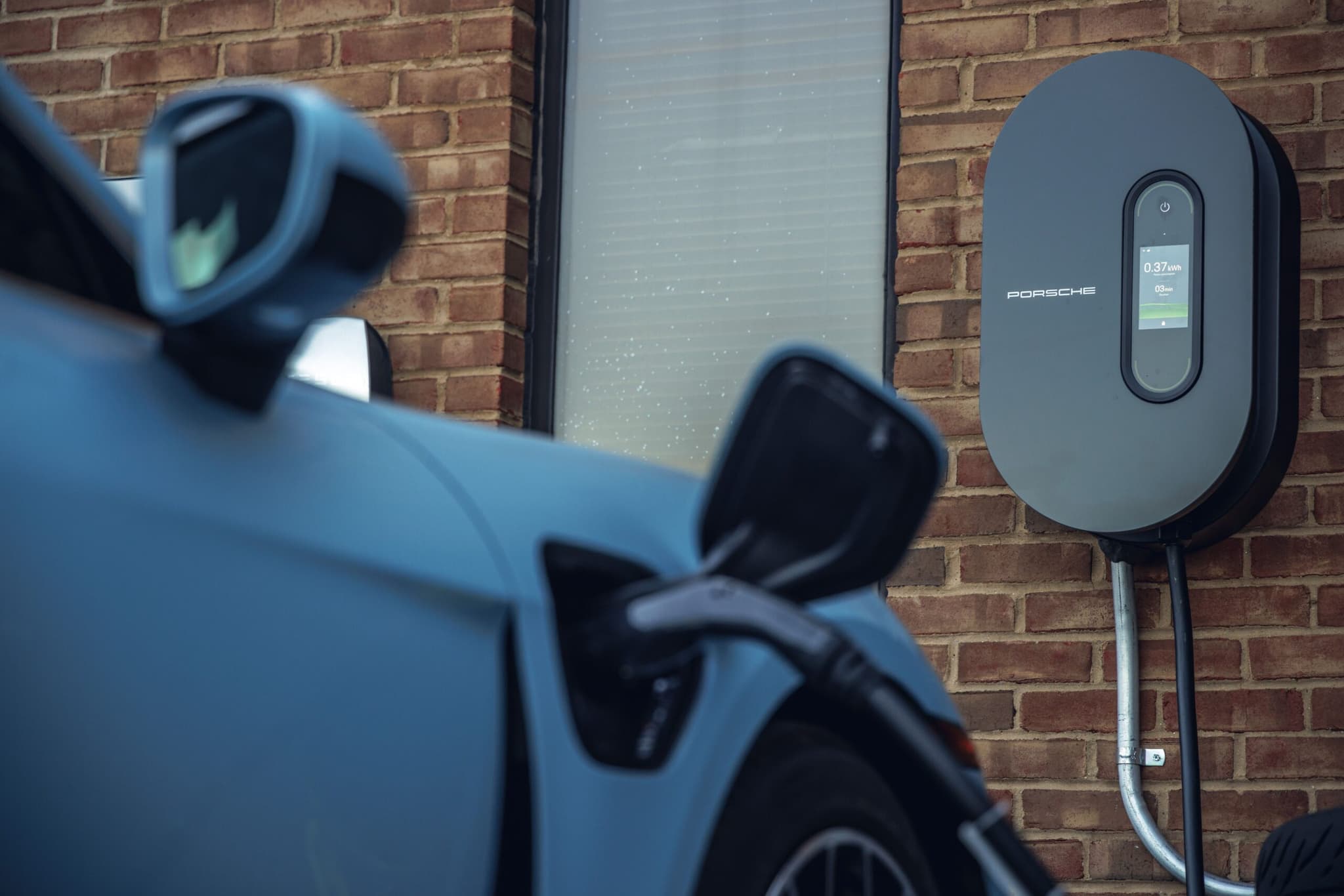
Home AC Charging: Why It Can’t Deliver the Same Speeds as DC Fast Chargers
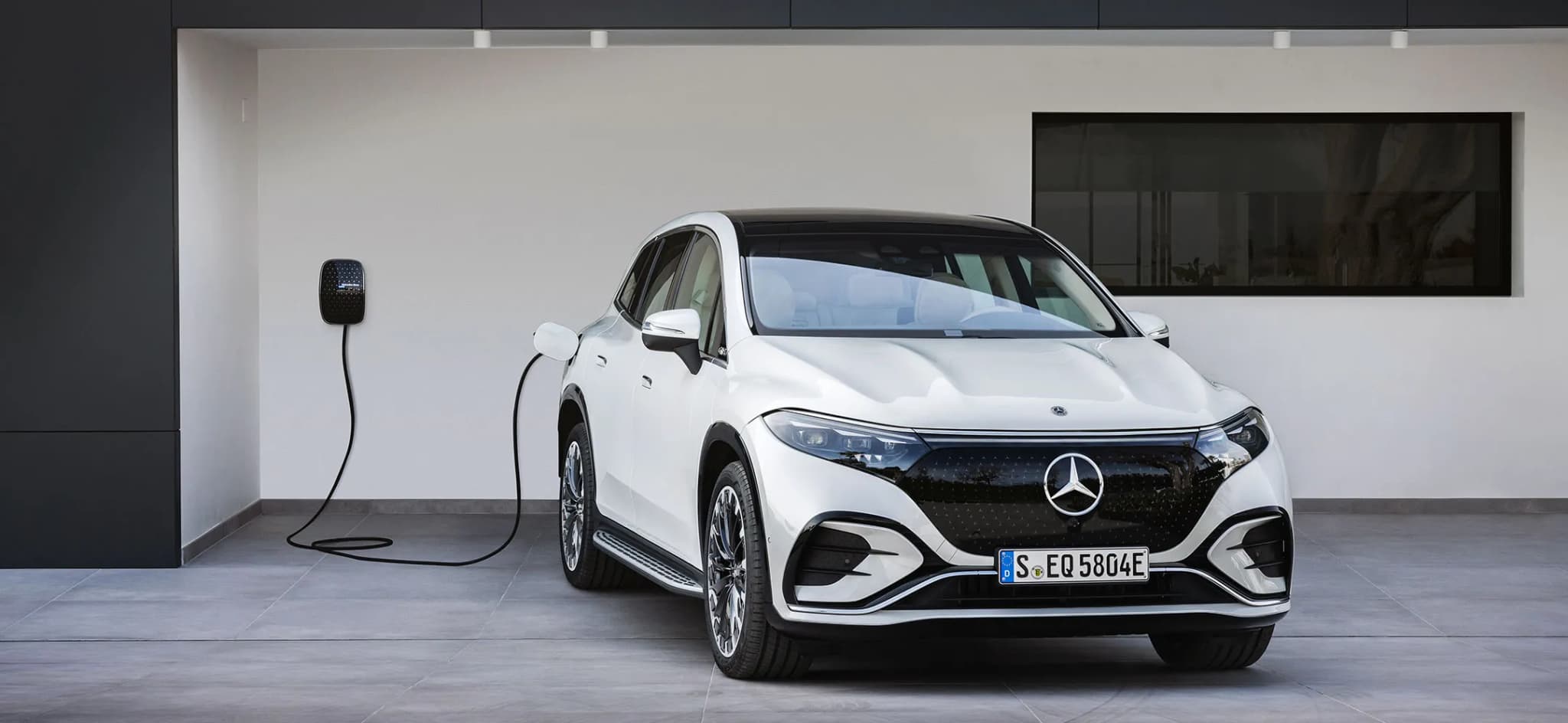
Most EV owners usually charge their cars at home, and it makes perfect sense: it’s by far the most convenient and hassle-free solution. You simply plug in your vehicle at the end of the day, walk away, and by the next morning you have a fully charged car that’s ready for your daily commute or even a longer trip. However, not all home charging methods are the same. There are two common types of AC charging you’ll come across: the slower 120V household outlet, which can take a long time to recharge a battery, and the faster 240V connection that works with a dedicated AC charging station, cutting down the time significantly. The question is, what’s the real difference between these two options, and which one is the smarter choice for everyday use?
The difference you’ll notice between charging options is speed. For example, if you plug a Tesla Model 3 Long Range into a standard 120V NEMA 5-20 household outlet, it will take around 20 hours and 30 minutes to charge the battery from 20% to 80%. In real terms, this means that after an overnight session you’ll likely only gain about 50% of charge, enough for local errands, but not ideal for longer daily commutes. On the other hand, installing a dedicated home EV charger connected to a 240V outlet changes the game completely. The same Model 3 can be charged from 20% to 80% in less than 6 hours, giving you a full battery by morning without the need to plan around slow charging. Quite a big difference, right?
On the flip side, the main drawback of faster home charging is cost. With a regular household outlet, you can simply use the portable charging cable that usually comes with the car, meaning there’s no additional expense. But if you want the speed and convenience of a more powerful 240V setup, you’ll need to purchase and install a dedicated home charging station. On average, the unit itself costs around $500, and installation can add another $500 or more depending on your home’s wiring and setup. The good news? Many states, utility providers, and even private companies now offer incentive programs that can significantly reduce or even completely cover these costs. In some cases, you can get a charger and installation for free, simply by signing up for their service and agreeing to charge your EV during off-peak hours.
Public DC Charging: How to Pick the Right Charger for Your EV
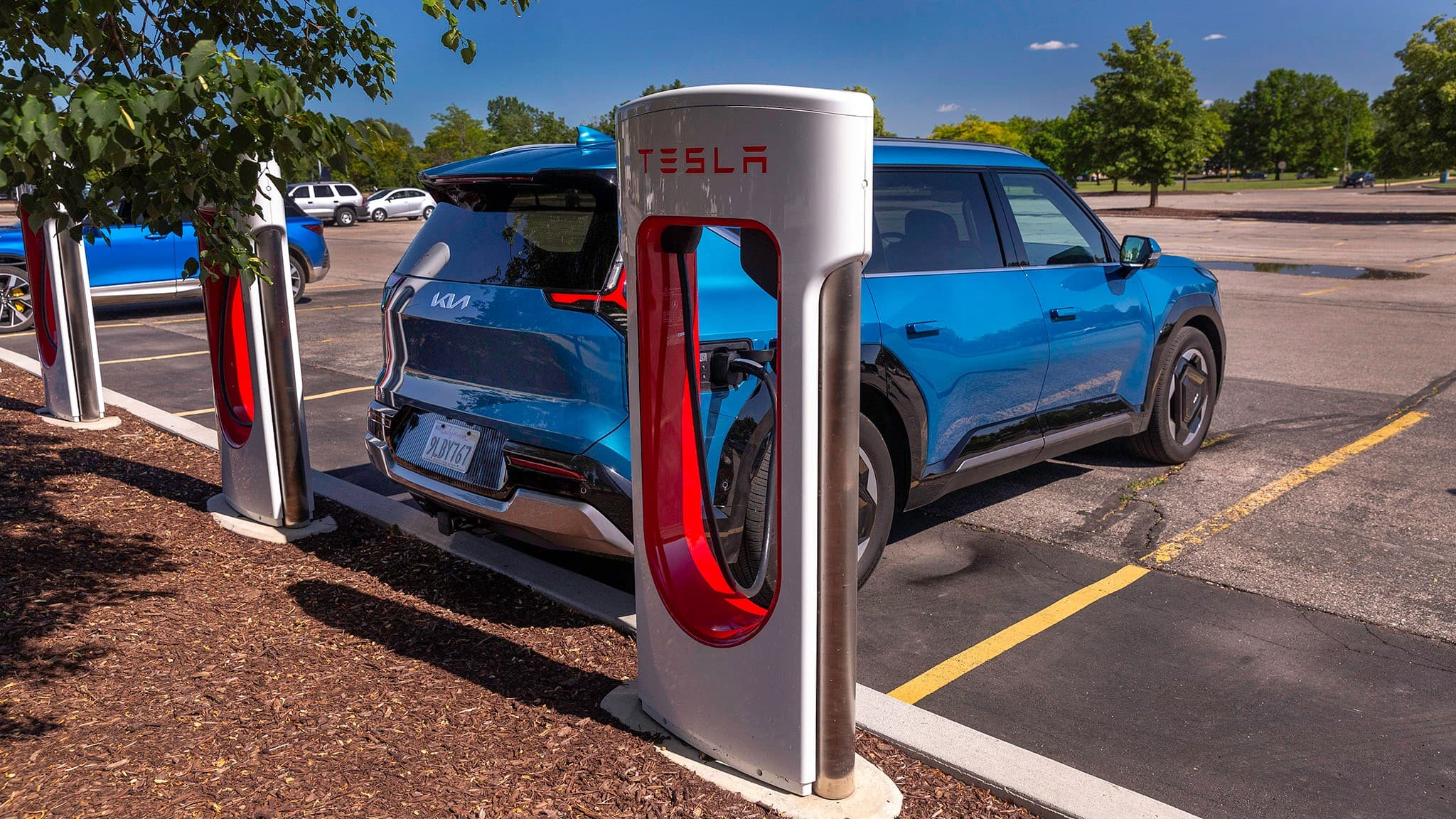
It’s time to talk about fast charging, the solution for drivers who want to minimize downtime on the road. From Tesla Superchargers to Electrify America and various independent networks, there are now plenty of options across the country. But while locations are easy to find, chargers themselves can vary widely in power delivery. The real challenge is knowing which type of charger will work most efficiently for your exact EV model.
First of all, when choosing a public charger, power alone shouldn’t be the deciding factor. Even though some stations are capable of delivering up to 400 kW, that doesn’t automatically mean your EV will charge faster at the higher-powered option. Every electric vehicle has its own maximum DC charging rate, which is the peak power it can accept. If the charger provides more than your car can handle, charging will still happen at the vehicle’s limit, not the charger’s maximum. For instance, the Chevy Equinox EV supports up to 150 kW, so whether you plug it into a Tesla Supercharger V3 or a more advanced V4, the charging time will be nearly identical. However, if your car is capable of supporting the same high charging speeds offered by the newest generation of EV chargers, the difference in charging time becomes truly dramatic, allowing you to add hundreds of miles in just minutes.
Another key factor to keep in mind is the compatibility between your car’s charging port and the charging cable. This became especially relevant in 2025 when Tesla opened up its vast Supercharger network to most EV brands. However, only a limited number of manufacturers have already adopted the NACS charging port. For drivers whose cars still use the standard CCS Type 1 port, a special adapter is required to plug into a Tesla Supercharger. At the same time, Tesla owners need that very same adapter if they want to charge their vehicles outside the Supercharger network.
AC Charging vs DC Charging: Which Option Is Better for Your EV and Daily Use?
That’s a really good question, and the answer largely depends on your driving habits. If most of your trips are local and your day usually ends at home, then home charging is by far the most natural and convenient choice: you simply plug in when you arrive and wake up to a full battery in the morning. On the other hand, if your lifestyle involves frequent highway driving, long distances, and higher speeds, then relying on fast public chargers becomes a necessity to keep your EV ready for the road.
Some situations are not as straightforward as they might look. For example, many EV owners assume that if they live close to a public fast charger, it makes more sense to charge there because it’s quicker. While that might seem like the most convenient option, relying too heavily on fast charging can actually accelerate battery wear and shorten its lifespan, meaning you may need to replace it earlier than expected. Home charging, on the other hand, is much gentler and healthier for your battery over the long term. Still, there’s no need to panic: noticeable degradation usually only happens if you constantly fast charge your EV all the way to 100%. In most other cases, using public fast charging occasionally won’t cause any real harm.
As a final piece of advice, try to avoid charging your EV all the way to 100% on a daily basis, since this can put unnecessary strain on the battery and reduce its lifespan over time. A better approach is to set a charging limit, usually between 90% and 95%, which you can easily adjust through your car’s infotainment system or mobile app. This simple habit helps keep your battery healthier for longer while still giving you plenty of range for everyday driving.
EV.com Insight
EV charging is one of the most important and unavoidable parts of every electric vehicle owner’s daily life. Whether you plug in at home overnight or rely on public fast chargers during long trips, understanding the differences between AC and DC charging can make a big difference in both convenience and battery health. We hope this article has given you a clearer picture of how each charging method works, what their advantages and drawbacks are, and how to choose the right option depending on your needs. By charging smarter, you’ll not only extend the life of your EV battery but also make your driving experience smoother and more efficient.
If you don’t yet own an EV, you’re in the right place. In our Search section, you can explore a wide selection of the best electric vehicle offers available across the country and find the one that perfectly matches your needs.
Comments
Categories
Subscribe for EV News and Reviews

AI Employee for Car Dealerships
Results in 30 days - Or We'll Give You Your Money Back