EV Crash Specifics: How Electric Vehicles Behave Differently in Collisions
We’ll break down how EVs behave in accidents, what drivers should know about safety and liability, and why compensation disputes can get more complex when batteries and software are involved.
We’ll break down how EVs behave in accidents, what drivers should know about safety and liability, and why compensation disputes can get more complex when batteries and software are involved.
The Physics of EV Crashes: What Makes Them Different
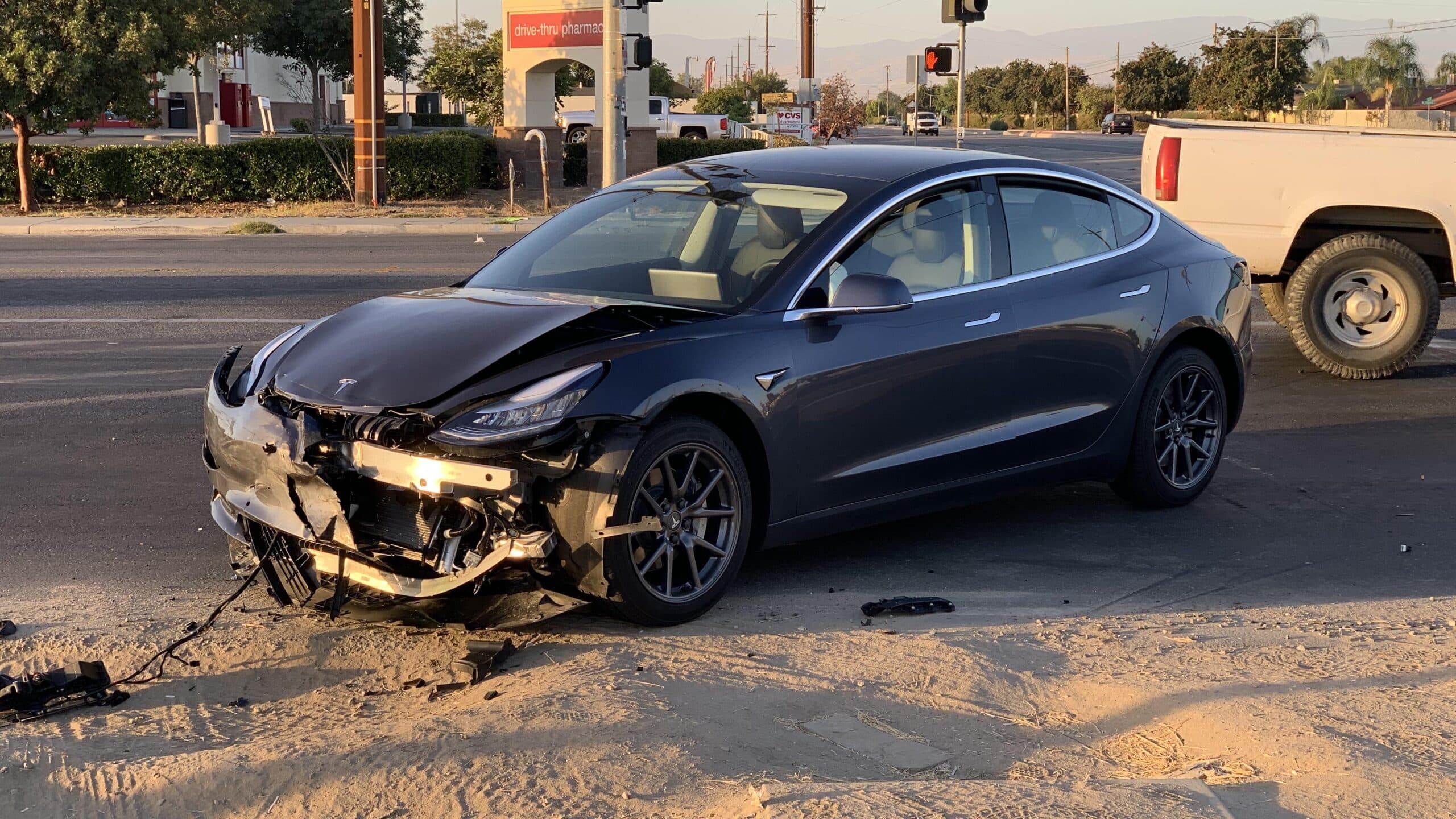
One of the first things engineers (and insurance adjusters) notice: EVs are heavy. The battery pack that powers your Tesla, Rivian, or Ford Lightning adds hundreds of pounds, sometimes tipping the scales well beyond their gas counterparts. That extra weight means more momentum in a collision, which can increase force transferred in a crash.
- Weight & impact: A 6,000-pound EV hitting a smaller sedan at the same speed will often cause more severe damage.
- Center of gravity: Batteries are mounted low, making rollovers less likely than in SUVs and trucks — a safety plus.
- Battery placement: Side impacts and undercarriage crashes can compromise the battery, sometimes leading to post-collision fires.
And about those fires: while EVs don’t explode Hollywood-style, damaged lithium-ion batteries can ignite through a process called thermal runaway. Fire departments in Florida and beyond are updating training because these fires burn hotter, longer, and often require tens of thousands of gallons of water to extinguish.
EV Safety: The Pros and Cons
Safety is one of the biggest selling points for electric vehicles, and for good reason. Automakers love to highlight their five-star crash ratings and advanced driver-assist features — and in many respects, EVs really do outperform their gas-powered counterparts. But just like every innovation, the technology comes with its own unique trade-offs. Understanding both sides of the equation is key for drivers, especially when it comes to how accidents unfold and what happens afterward.
The good news: Most modern EVs score top marks in federal crash tests. They come with cutting-edge safety tech, including automatic emergency braking, lane-keeping assist, pedestrian detection. The structure of an EV also allows for larger crumple zones, absorbing more energy.
The trade-offs:
- Battery fire risks are low in frequency but high in severity.
- Repair costs are higher. Even moderate collisions can push insurers to “total” the vehicle if battery damage is suspected.
- Pedestrian safety: Quieter EVs can increase risks for walkers and cyclists, especially in busy urban areas.
Overall, EVs are very safe in many ways, but when things go wrong, they can go wrong differently.
Liability After an EV Accident
Here’s where it gets more complex, which is the legal side. For example, New York and New Jersey follow no-fault systems, where drivers first turn to their own insurance regardless of who caused the accident. In contrast, states like Texas and California operate under pure comparative negligence, meaning even if you’re 80–90% at fault, you can still recover a small portion of damages. Florida recently shifted its rules in March 2023 to a modified comparative negligence system. Under this law, if you’re found more than 50% at fault, you cannot recover damages from the other party. If you’re less than 50% at fault, you can still recover, but your payout is reduced in proportion to your share of fault.
EV specifics can add extra layers:
- Battery fires → may lead to product liability claims against the manufacturer.
- Autopilot or advanced driver-assist failure → liability could shift from driver to automaker (Tesla, Rivian, etc.).
- Charging station collisions → liability may extend to the station operator if design or maintenance contributed to the crash.
For injured drivers or passengers, this means multiple parties might share liability, and insurers will fight hard over who pays what.
Compensation Challenges for EV Drivers
Compensation for car accident victims generally covers:
- Medical bills
- Lost wages
- Pain and suffering
- Property damage
With EVs, property damage is where things spike. Battery replacement alone can run $15,000–$25,000. Even if the rest of the car looks fine, insurers often declare it a total loss. That can delay claims, reduce settlement offers, or create disputes over fair market value.
For injured victims, this matters because the other driver’s liability policy may not be enough to cover both your injuries and your EV’s full value. That’s where underinsured motorist coverage — and legal representation — become crucial. Working with experienced car crash lawyers who understand the unique challenges of EV cases can make all the difference, from navigating product liability claims to ensuring full compensation when high repair and medical costs are at stake.
What EV Drivers Should Do After a Crash
If you’re involved in an EV collision, your first steps should look familiar — with some EV-specific precautions:
- Check for safety risks — move away if you smell smoke or see sparks near the battery.
- Call 911 immediately — mention it’s an EV so fire crews know what to expect.
- Document the scene — photos and videos of the crash site, battery area, and any warning messages on the dashboard.
- Seek medical attention — even if you feel fine (adrenaline masks injuries).
- Notify your insurer — but be cautious about recorded statements.
- Consult a personal injury attorney — especially if injuries or vehicle loss are significant.
The Takeaway
EV crashes aren’t just “another car accident.” Their weight, batteries, and tech features change the dynamics — both on the road and in the courtroom. Florida’s updated negligence laws mean your recovery can hinge on just a few percentage points of fault. And with repair and replacement costs sky-high, insurers often push back harder than ever.
As EV adoption accelerates, so does the need for drivers to understand their rights after a crash. Knowing the risks and the legal landscape can make the difference between walking away with fair compensation or being left to absorb the financial hit yourself.
Comments
Categories
Related news
Subscribe for EV News and Reviews

AI Employee for Car Dealerships
Results in 30 days - Or We'll Give You Your Money Back