Honda Cancels Three EVs and Warns of Major Losses After Strategy Reassessment
The move is expected to result in substantial financial losses for the automaker during the fiscal year ending March 2026.
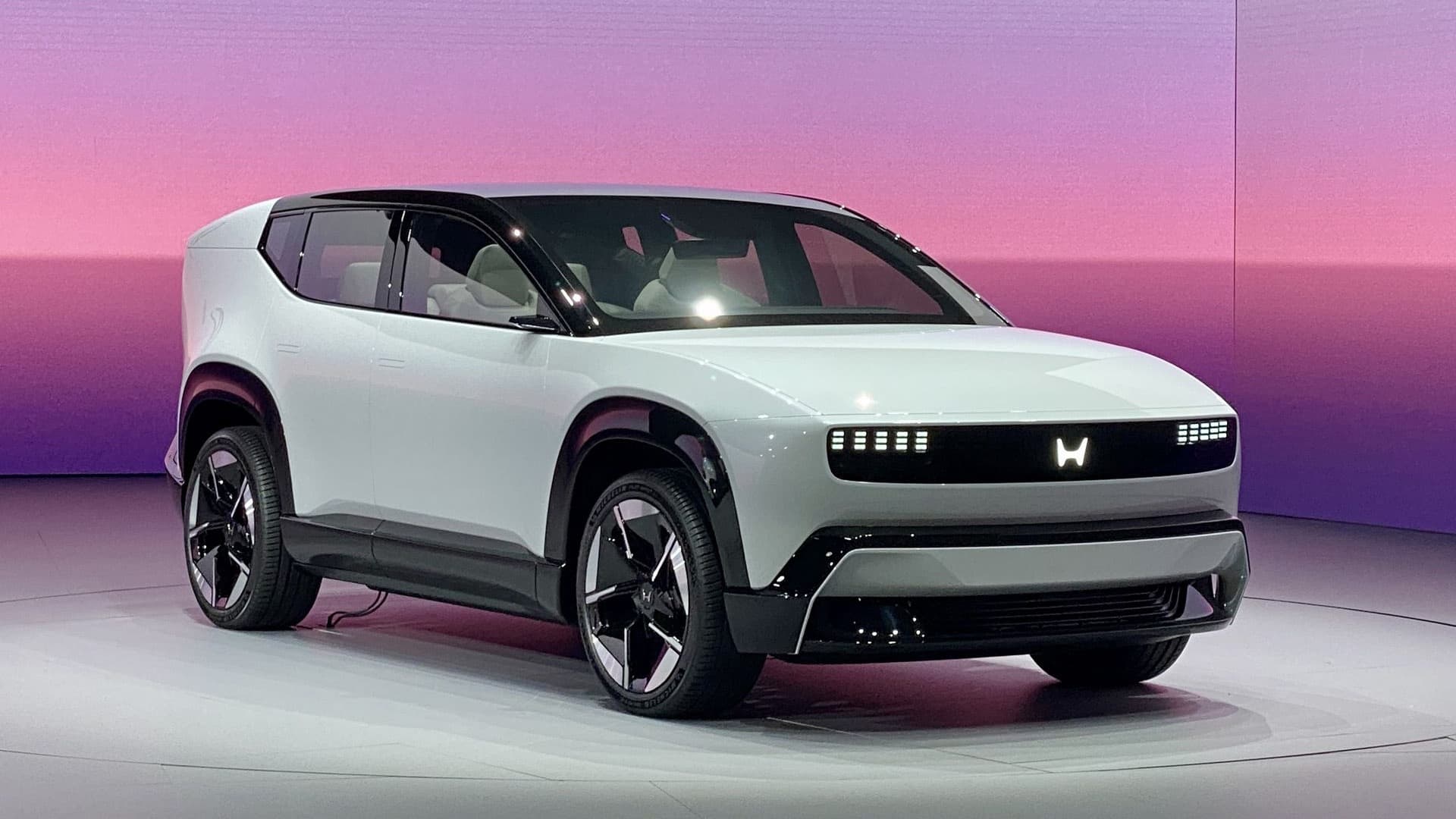
Honda announced it will cancel three planned electric vehicles for North America as part of a broader reassessment of its electrification strategy. The move is expected to result in substantial financial losses for the automaker during the fiscal year ending March 2026.
The decision was disclosed in a press release from Honda, which cited changing market conditions, slower EV adoption in key markets, and competitive pressures as factors behind the shift.
Honda cancels three planned EVs for North America
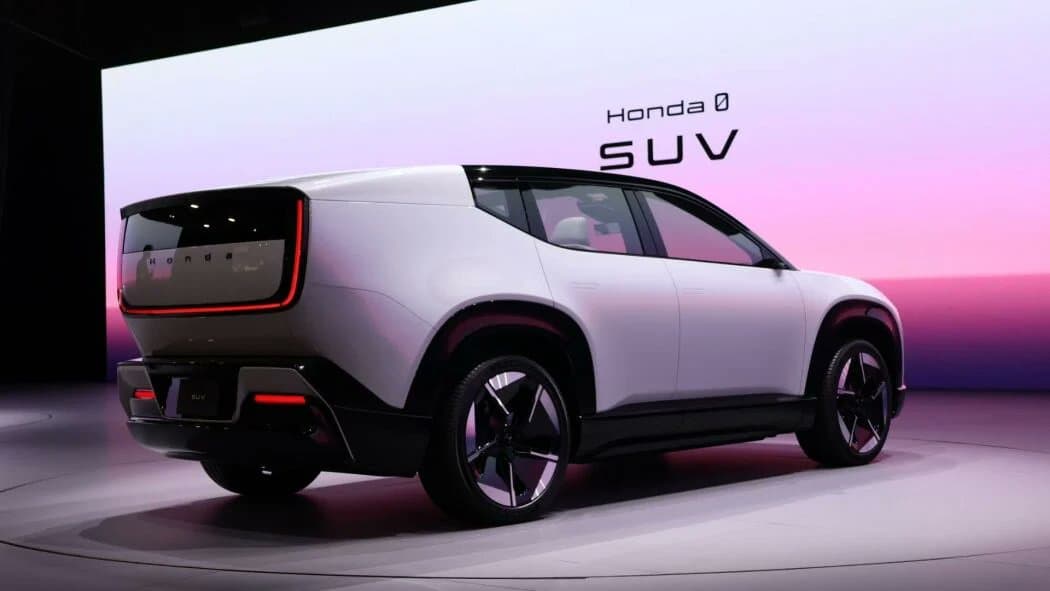
Honda confirmed it will cancel the development and market launch of three EV models that had been planned for production in North America: the Honda 0 SUV, Honda 0 Saloon, and the Acura RSX EV.
The company said the decision was made after reassessing the business environment surrounding electric vehicles. Honda noted that EV demand growth in the United States has slowed, partly due to changes in government policies, adjustments to EV incentives, and evolving market conditions.
As a result, Honda now expects to record write-offs and impairment losses related to assets that had been intended for the production of those models. The automaker also expects to incur additional expenses tied to canceling the development and launch programs.
Honda estimates that for the fiscal year ending March 2026, it will record operating expenses between ¥820 billion and ¥1.12 trillion related to the strategy reassessment. The company also expects impairment losses of ¥110 billion to ¥150 billion tied to equity-method investments in China.
In addition, Honda expects to record special losses between ¥340 billion and ¥570 billion in non-consolidated financial results. The company said total losses associated with the strategic reassessment could reach as much as ¥2.5 trillion over time.
Automaker pivots toward hybrids and regional strategy changes
Honda said it is reorganizing its automotive strategy to better respond to changing market conditions.
In the near term, the company plans to increase its focus on hybrid vehicles, particularly in the United States, where hybrid demand remains strong. Honda said it will also expand its lineup and cost competitiveness in India and other Asian markets, where demand growth is expected.
The automaker acknowledged that competition has intensified in China as newer EV companies gain traction through rapid development cycles and software-focused vehicle technologies such as software-defined vehicles (SDVs) and advanced driver-assistance systems.
Despite the strategy shift, Honda reiterated that its long-term goal of achieving carbon neutrality for products and corporate activities by 2050 remains unchanged.
Honda said further details on its updated mid- to long-term automotive strategy will be presented at a press conference scheduled for May.
EV.com tracks the evolving EV collector space and performance electric vehicles hitting the market. Explore our listings to find the best EVs in your area available today.
Comments
Categories
Subscribe for EV News and Reviews

AI Employee for Car Dealerships
Results in 30 days - Or We'll Give You Your Money Back