GM Says EV Owners Could Earn Money by Sending Power Back to the Grid
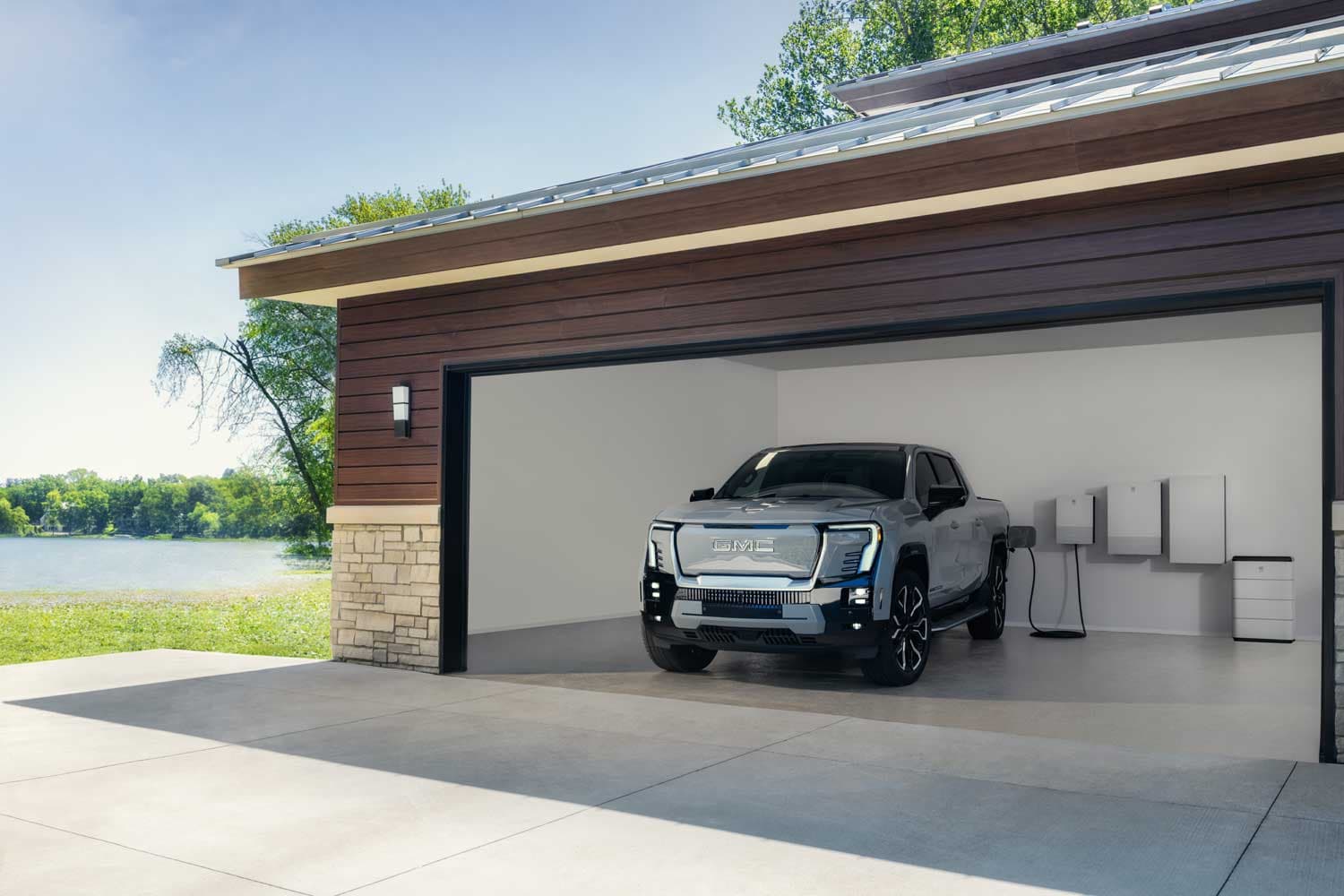
General Motors is expanding its vision for electric vehicles beyond transportation, promoting bidirectional charging technology that could allow EV owners to reduce electricity costs or even earn money by supplying power back to the grid.
As utilities face rising demand from extreme weather events, growing electrification, and energy-intensive AI data centers, GM believes EVs can serve as distributed energy assets that help stabilize power networks while providing financial benefits to owners.
GM highlights growing vehicle-to-grid opportunity
Vehicle-to-grid (V2G) technology allows compatible electric vehicles to send stored electricity back to utility networks during periods of peak demand. GM said many EVs spend significant amounts of time parked and plugged in, leaving large amounts of battery capacity unused.
According to the automaker, more than 250,000 bidirectional-capable vehicles are already operating on U.S. roads. Collectively, those vehicles contain enough stored energy to power approximately 120,000 homes for up to one week, according to GM Authority.
Under future utility programs, participating owners could receive compensation for supplying energy to the grid when electricity demand spikes. The concept has attracted growing attention as utilities look for new ways to balance increasingly strained energy systems without relying solely on new infrastructure investments.
GM sees bidirectional charging as a potential win-win scenario, helping utilities access additional energy resources while creating opportunities for EV owners to offset ownership costs through energy-related incentives and compensation programs.
GM expands utility partnerships and home backup capabilities
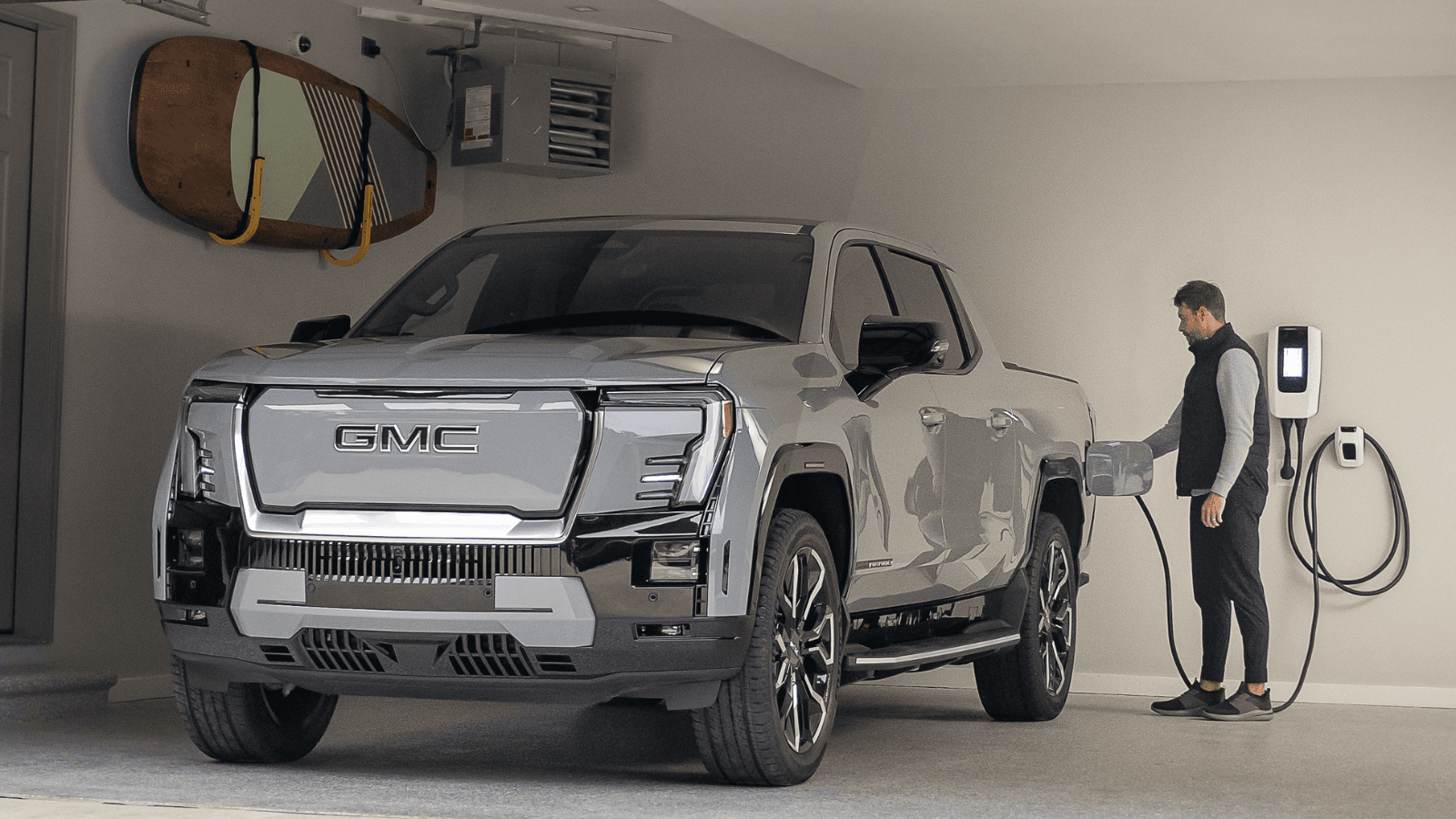
In addition to vehicle-to-grid applications, GM continues to promote vehicle-to-home (V2H) technology, which enables compatible EVs to provide backup power during outages when paired with the necessary equipment.
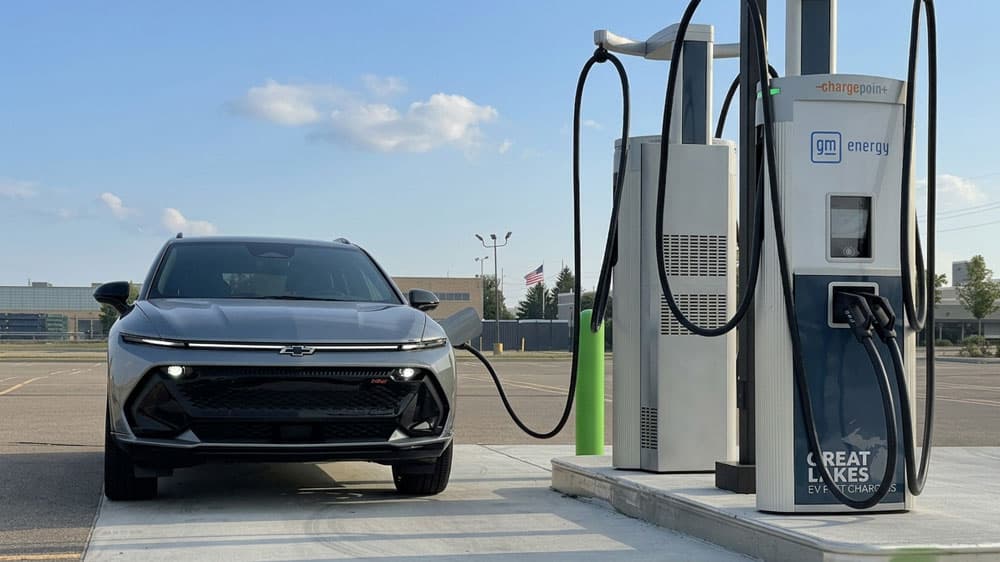
The company noted that all current GM electric vehicles support V2H functionality, including the upcoming 2027 Chevrolet Bolt hatchback. To access the feature, customers need compatible GM Energy hardware, including charging equipment and home integration components.
While vehicle-to-grid programs remain limited today, GM is working with utility providers to accelerate adoption. In Michigan, the automaker is collaborating with DTE Energy to evaluate the technology under real-world conditions. In Northern California, GM is working with Pacific Gas and Electric Company (PG&E), where the company projects that more than 52,000 GM EVs could participate in grid-balancing programs by 2030.
The push comes as GM broadens its energy ecosystem strategy. The automaker recently introduced Energy Pass, a platform that combines multiple charging networks into a single account, simplifying public charging access for EV owners.
As utility demand continues to rise, GM believes electric vehicles could evolve into valuable energy assets that provide benefits both on and off the road.
EV.com tracks the evolving EV collector space and performance electric vehicles hitting the market. Explore our listings to find the best EVs in your area available today.
Comments
Categories
Related news


Subscribe for EV News and Reviews

AI Employee for Car Dealerships
Results in 30 days - Or We'll Give You Your Money Back