Mary Barra: AI Will Make GM Vehicles More Capable Years After Purchase
CEO Mary Barra said the goal is to create vehicles that evolve through artificial intelligence and software upgrades, shifting ownership from a static purchase to an ever-improving technology platform.
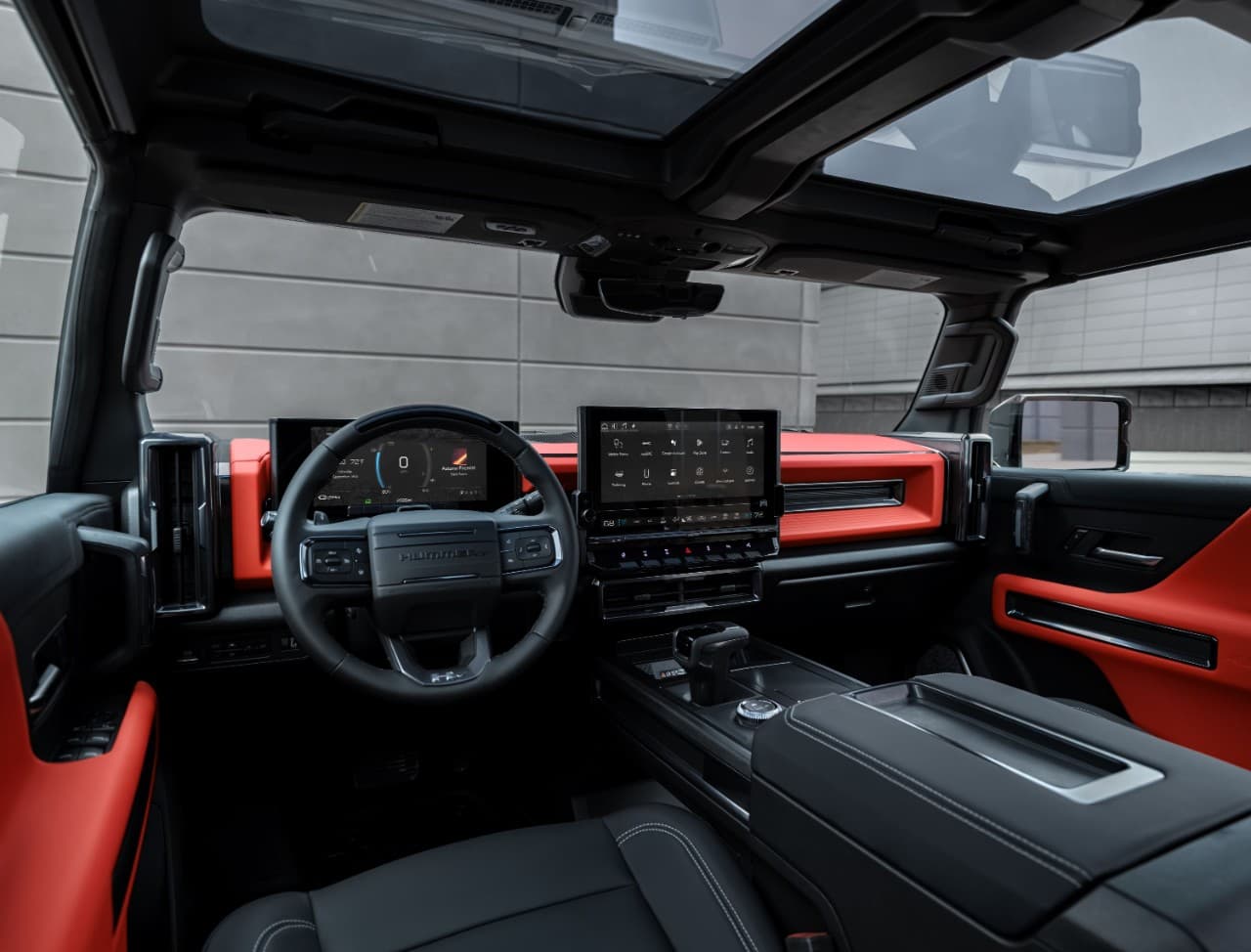
General Motors is laying out a long-term plan to transform how owners interact with their vehicles, highlighting a future where cars become smarter, safer, and more capable the longer they are on the road. CEO Mary Barra said the goal is to create vehicles that evolve through artificial intelligence and software upgrades, shifting ownership from a static purchase to an ever-improving technology platform.
GM bets on Ultifi and AI-driven updates to build vehicles that evolve after purchase
Barra’s comments to Automotive News centered on GM’s expanding software ecosystem, led by the Ultifi platform. The automaker aims to replicate the smartphone model of continuous improvement, pushing new features, refinements, and performance upgrades to vehicles already in customer hands. Over-the-air updates will be central to that plan, allowing GM to roll out enhancements to everything from driver-assistance performance to interface upgrades without requiring dealership visits.
This strategy directly challenges the long-standing expectation that a car begins losing value and relevance the moment it leaves the dealership. GM believes software-driven progress will reverse that curve, creating vehicles that feel increasingly modern over time. The carmaker frames this approach as a way to deliver more convenience, personalization, and safety, positioning software not as an add-on but as a core product feature.
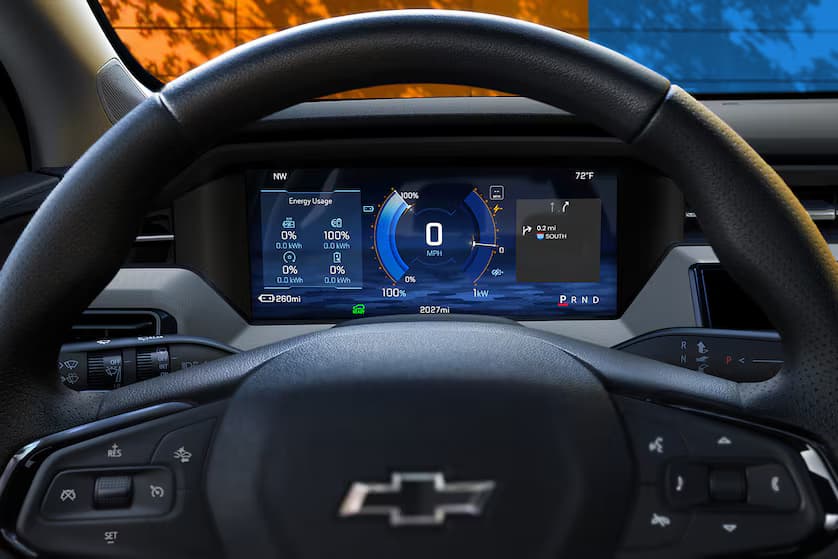
Fleet learning could reshape driver assistance, diagnostics, and battery performance
GM’s second pillar, fleet learning, represents the deeper shift behind its vision. By using anonymized data collected from millions of connected vehicles, GM plans to let entire fleets learn from individual situations. That could include improving driver-assistance accuracy, refining battery management algorithms to extend range and longevity, or predicting maintenance issues before they appear, according to GM Authority.
This form of collective intelligence could allow new improvements to be deployed rapidly across Buick, GMC, Cadillac, and Chevrolet models, turning real-world experience into continuous engineering upgrades. GM says this infrastructure will be foundational to future vehicle platforms designed for long-term relevance, not rapid obsolescence.
Barra emphasized that the ultimate goal is to build vehicles that serve as proactive partners in daily life. While she acknowledged that widespread comfort with AI-driven systems will take time, GM sees the shift as inevitable as software takes a larger role in automotive design and ownership.
EV.com tracks the evolving EV collector space and performance electric vehicles hitting the market. Explore our listings to find the best EVs in your area available today.
Comments
Categories
Related news

Subscribe for EV News and Reviews

AI Employee for Car Dealerships
Results in 30 days - Or We'll Give You Your Money Back