GM Asks Court to Dismiss Ultium Home Charger Lawsuit Over Alleged Defects
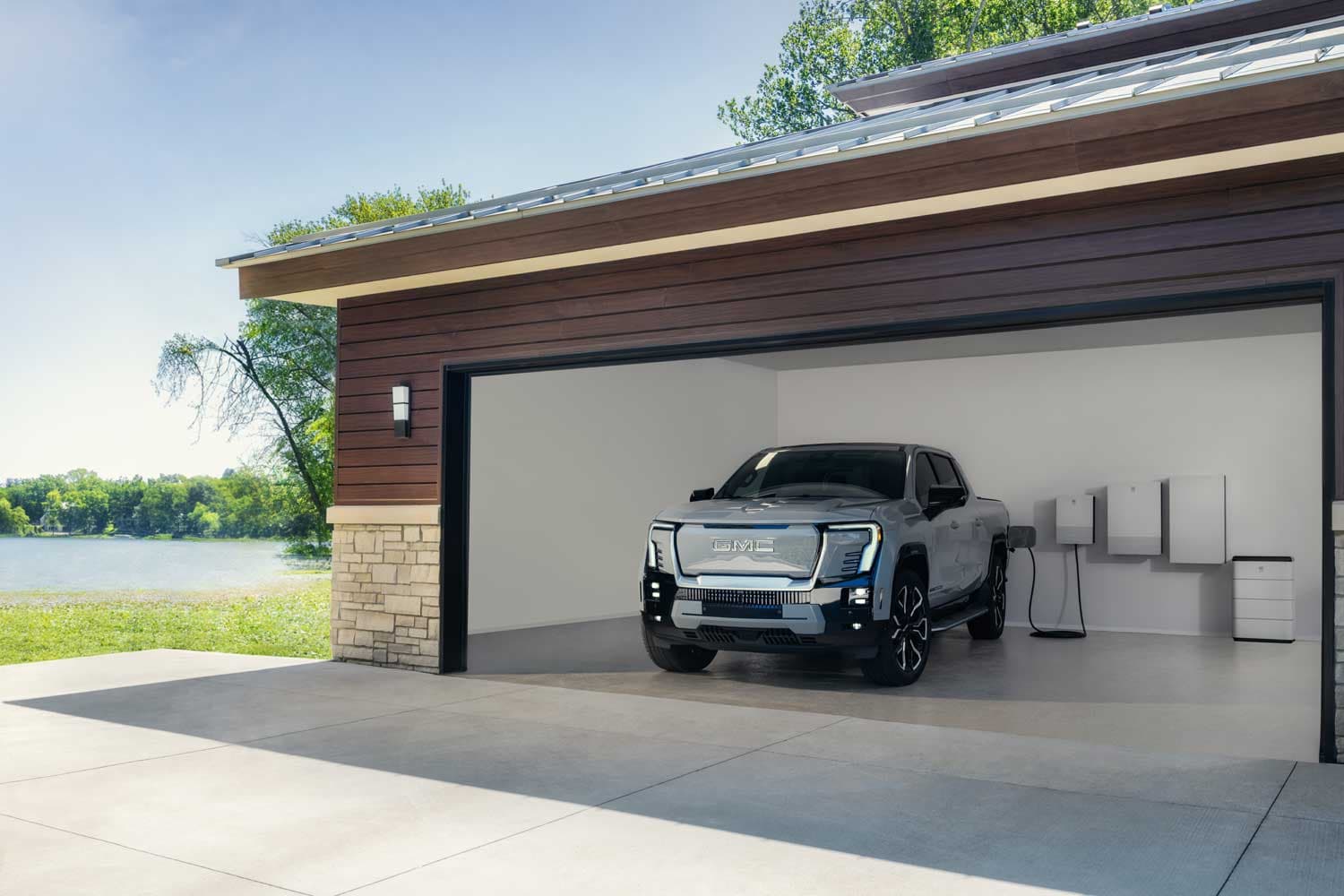
General Motors is asking a federal judge to dismiss a proposed class action lawsuit over its Ultium PowerUP home EV charger, arguing the case is procedurally flawed and lacks specific factual claims about any actual defect. The lawsuit was filed by Florida customers who allege charging failures and overheating.
GM moves to dismiss Ultium home charger class action
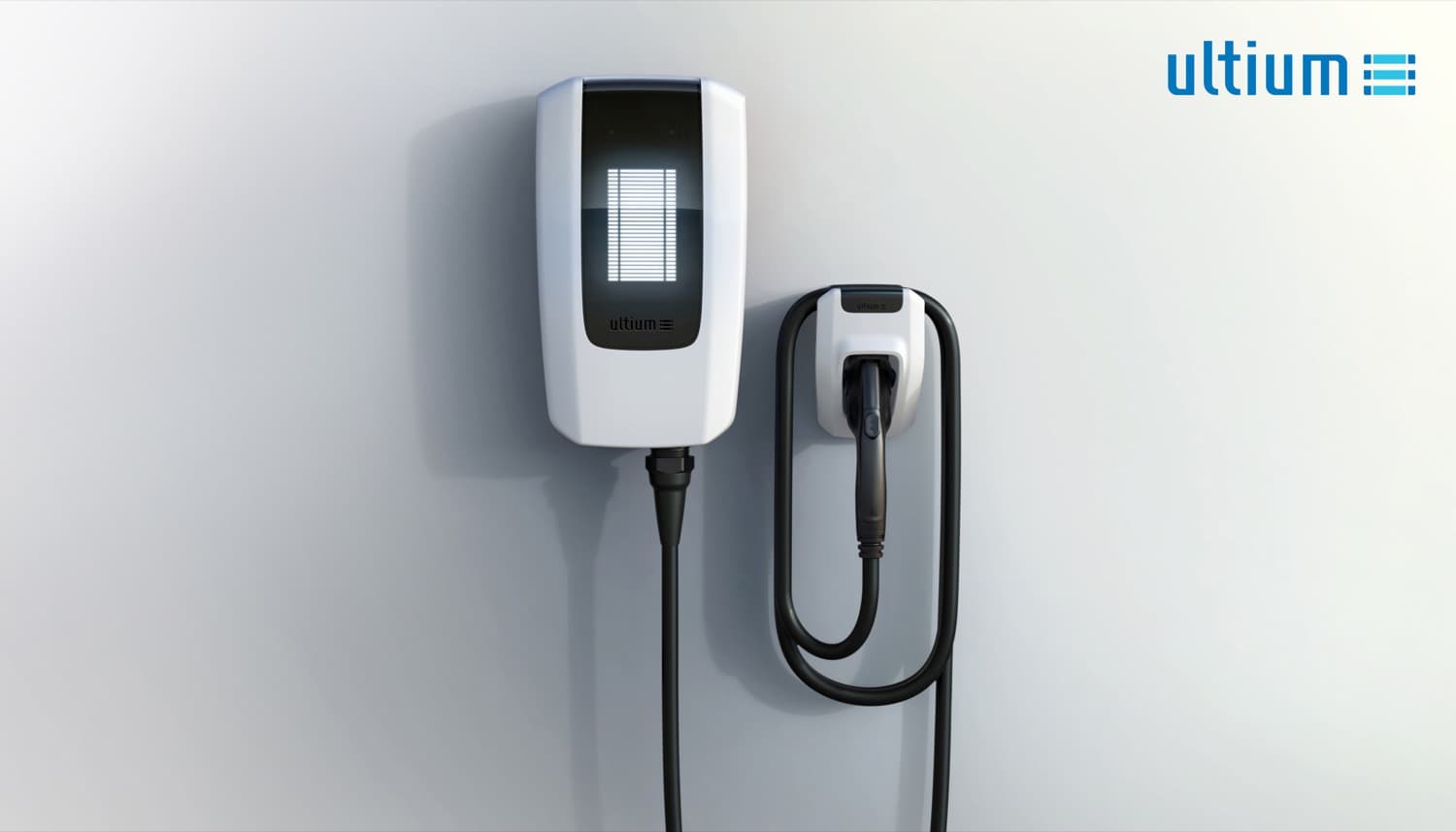
General Motors has filed a motion to dismiss a proposed class action lawsuit targeting the Ultium PowerUP home EV charger, according to a report from CarComplaints. The case covers Florida customers who purchased 2022–2024 model-year chargers directly from GM or through authorized dealers.
The plaintiffs allege the charger fails to operate properly, repeatedly tripping its internal circuit breaker and requiring users to reset their home breaker to resume charging. The complaint also claims the charger may overheat after multiple failed charging attempts and that GM’s advertising does not reflect real-world performance, according to GM Authority.
According to the filing, the plaintiffs purchased their charger in August 2024 from a Cadillac dealership and argue that GM knew about the alleged defects before selling the product, but failed to disclose them to consumers.
GM cites arbitration, warranty coverage, and lack of defect claims
In its motion, GM argues the lawsuit should not proceed because the plaintiffs agreed to arbitration and failed to acknowledge documents containing arbitration provisions. The automaker also points to the charger’s limited warranty, which provides repair or replacement if an inspection confirms a defect.
GM further contends that the complaint describes only symptoms, not an identifiable defect in the charger’s design or components. The company says the lawsuit offers no factual basis to support claims that GM knew of any defect and fails to clearly define what is allegedly wrong with the product.
The motion also challenges claims of misleading advertising. GM argues that describing the charger as “suitable” is not an empirically verifiable statement and therefore cannot support a misrepresentation claim. GM also noted that the plaintiffs paid $405 to file the lawsuit while seeking more than $5 million in damages, rather than pursuing a warranty remedy.
EV.com tracks the evolving EV collector space and performance electric vehicles hitting the market. Explore our listings to find the best EVs in your area available today.
Comments
Categories
Related news

Subscribe for EV News and Reviews

AI Employee for Car Dealerships
Results in 30 days - Or We'll Give You Your Money Back