Ford Rethinks Europe EV Strategy as Cologne Plant Outlook Comes Into Focus
A newly announced partnership with Renault aimed at cutting EV costs could reshape Ford’s regional strategy, even as weak demand and recent layoffs cloud the outlook for its current Volkswagen-based models.
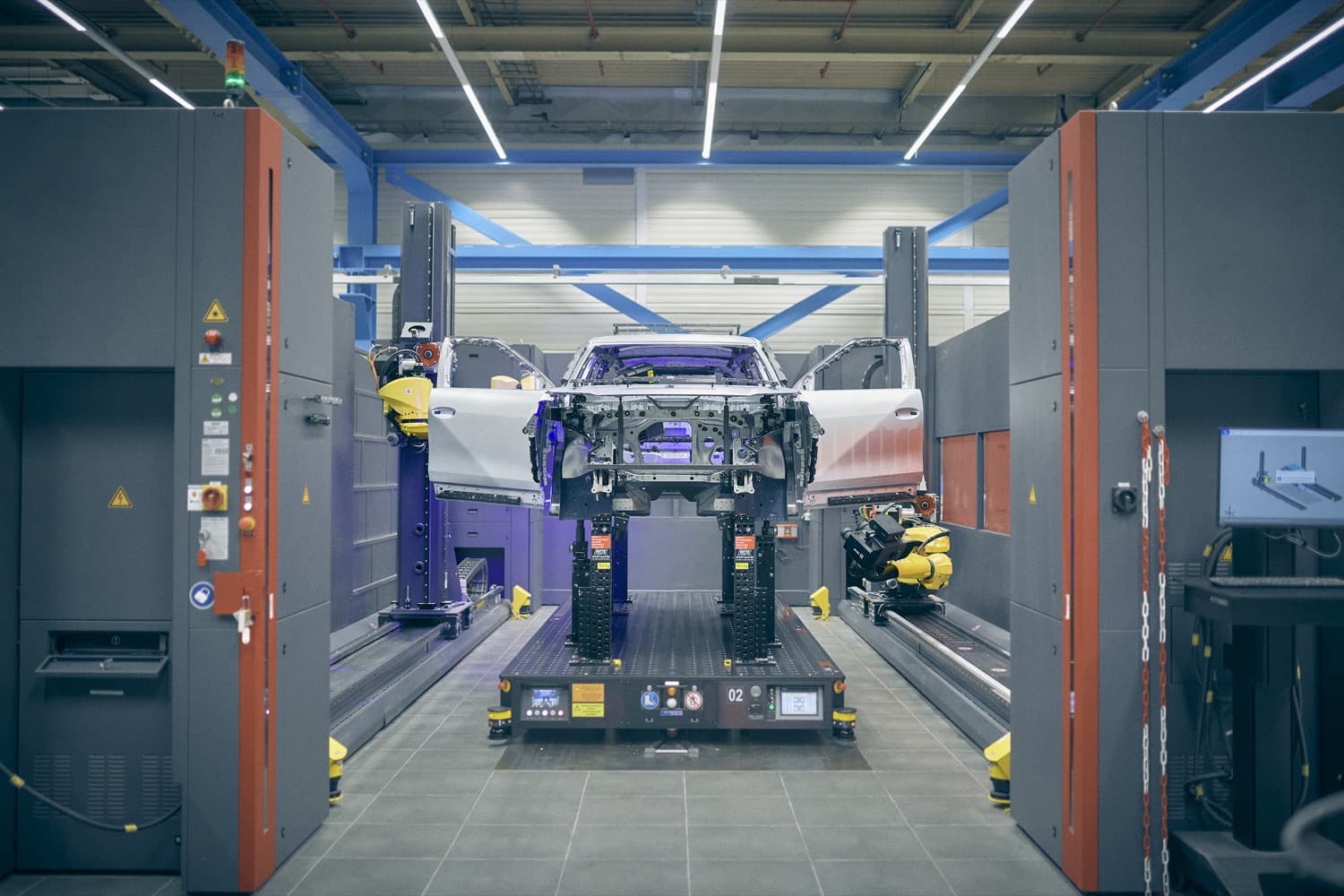
Ford’s latest European EV pivot has raised new questions about the future of the Explorer and Capri electric crossovers, and the German plant that builds them. A newly announced partnership with Renault aimed at cutting EV costs could reshape Ford’s regional strategy, even as weak demand and recent layoffs cloud the outlook for its current Volkswagen-based models.
Renault deal reshapes Ford’s European EV roadmap
Earlier this month, Ford confirmed a new partnership with Renault Group that will see two future Ford EVs built on Renault’s Ampere platform, alongside potential collaboration on commercial vehicles. The goal is clear: lower development and production costs in Europe as competition intensifies from Chinese automakers offering aggressively priced electric models.
In outlining the agreement, Ford emphasized that its existing cooperation with Volkswagen continues to support both its commercial and passenger vehicle businesses. The automaker noted that its current EVs from the VW alliance are produced at the Cologne Electric Vehicle Center in Germany, while broader industrial changes are underway to support a multi-energy strategy across Europe. Ford also highlighted the ongoing importance of its Valencia Assembly Plant in Spain, signaling flexibility rather than full commitment to any single EV pathway, according to Ford Authority.
Explorer and Capri face uncertainty amid weak demand
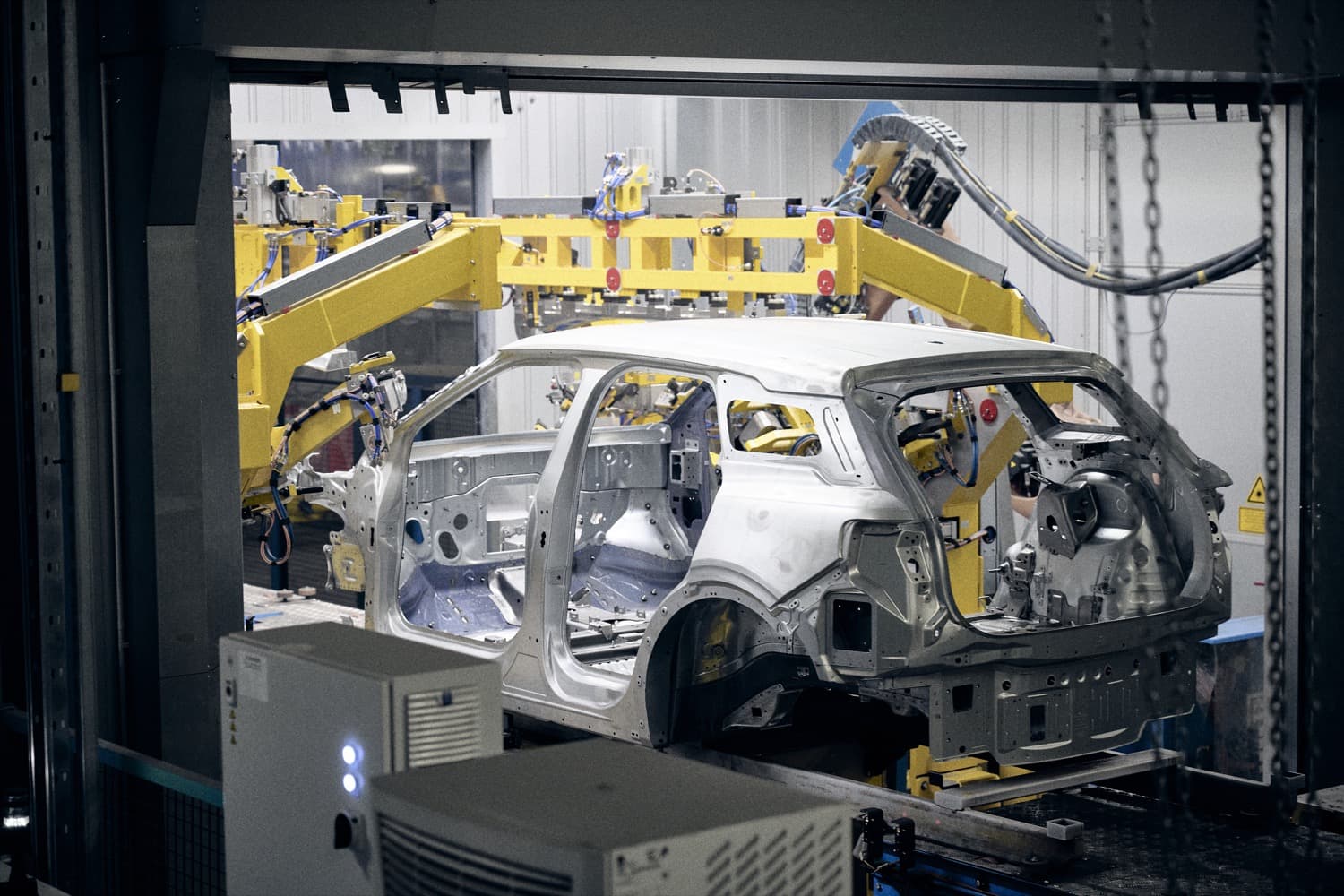
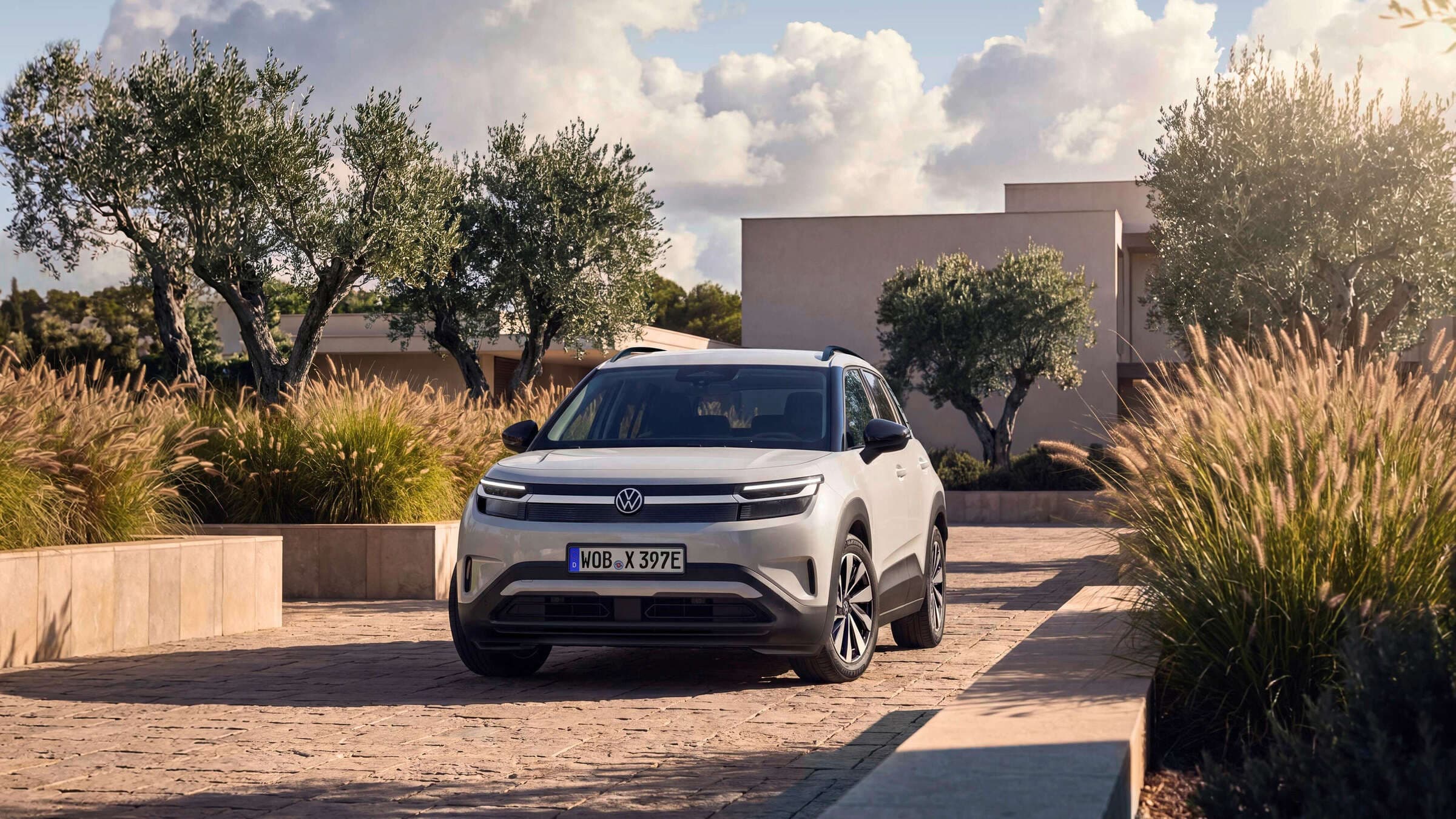
That ambiguity matters because Cologne is the production home of the Ford Explorer EV and Capri EV, both based on Volkswagen’s MEB platform. Demand for those electric crossovers has reportedly fallen short of expectations, triggering multiple production cutbacks at the Cologne facility and roughly 1,000 job losses. While Ford did not explicitly address the Explorer and Capri in its Renault announcement, the absence of firm future commitments has fueled speculation about how long those models, and the plant itself, will remain central to Ford’s European EV plans.
Meanwhile, Valencia appears to be gaining strategic importance. The Spanish plant currently builds the Ford Kuga, but reports indicate it is slated to add a new, affordable hybrid SUV. The upcoming model is expected to be a compact, rugged-styled vehicle wearing the Bronco nameplate and using a plug-in hybrid powertrain, marking a notable shift away from full EVs. Outside of China, no Bronco currently offers electrification beyond mild hybrids, making the Valencia project a potential bridge between combustion and electric offerings.
EV.com tracks the evolving EV collector space and performance electric vehicles hitting the market. Explore our listings to find the best EVs in your area available today.
Comments
Categories
Related news
Subscribe for EV News and Reviews

AI Employee for Car Dealerships
Results in 30 days - Or We'll Give You Your Money Back