Ford Racing Shifts From EV-Only Demonstrators to Hybrid Development

Ford is shifting the focus of its experimental motorsports vehicles beyond all-electric powertrains, with future Ford Performance demonstrators set to incorporate hybrid technology alongside EVs and traditional internal combustion engines.
The move reflects the automaker’s broader product strategy, which now includes significant investments across multiple propulsion technologies as Ford continues developing lessons from both racing and road-car programs.
Ford expands demonstrator strategy beyond EVs
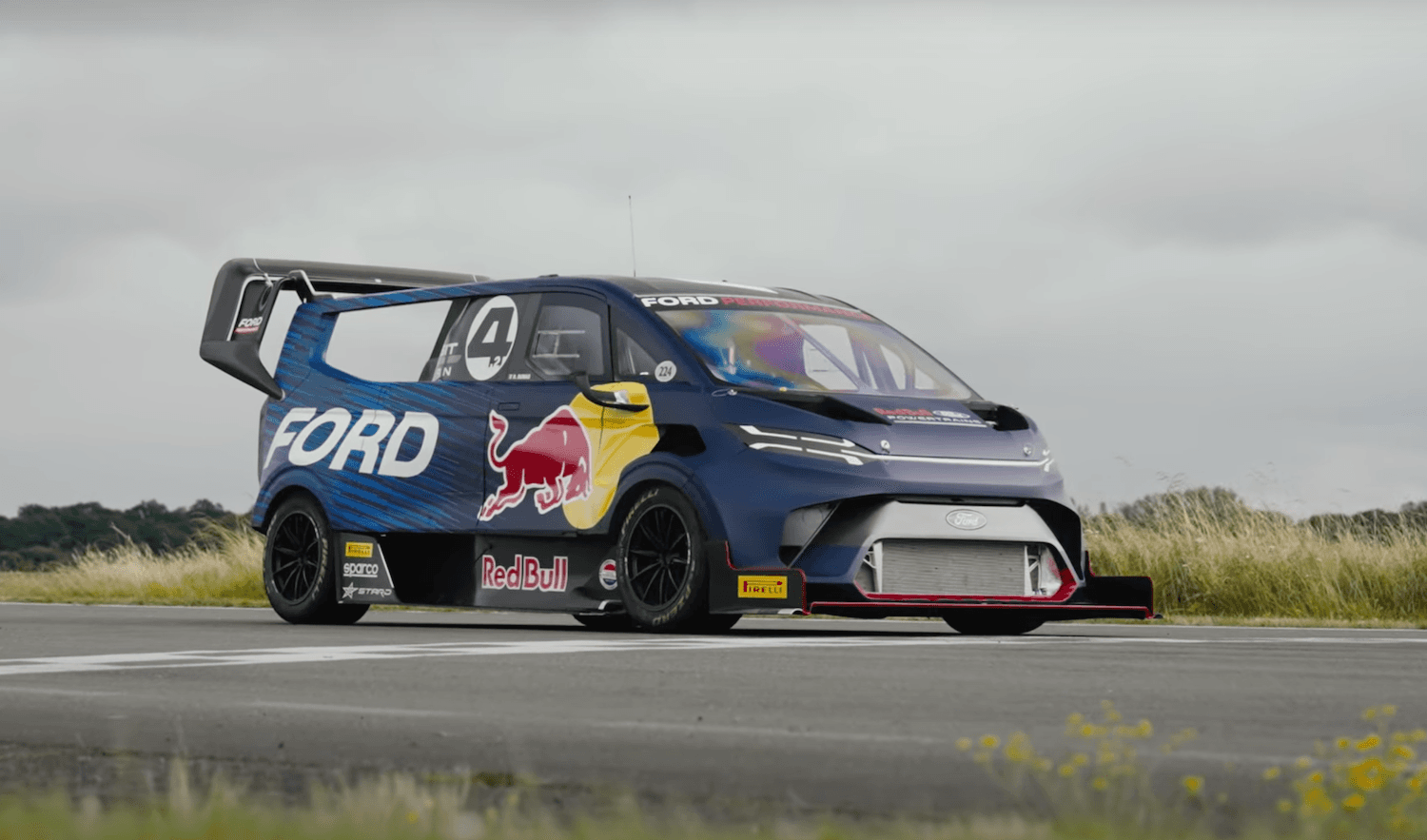
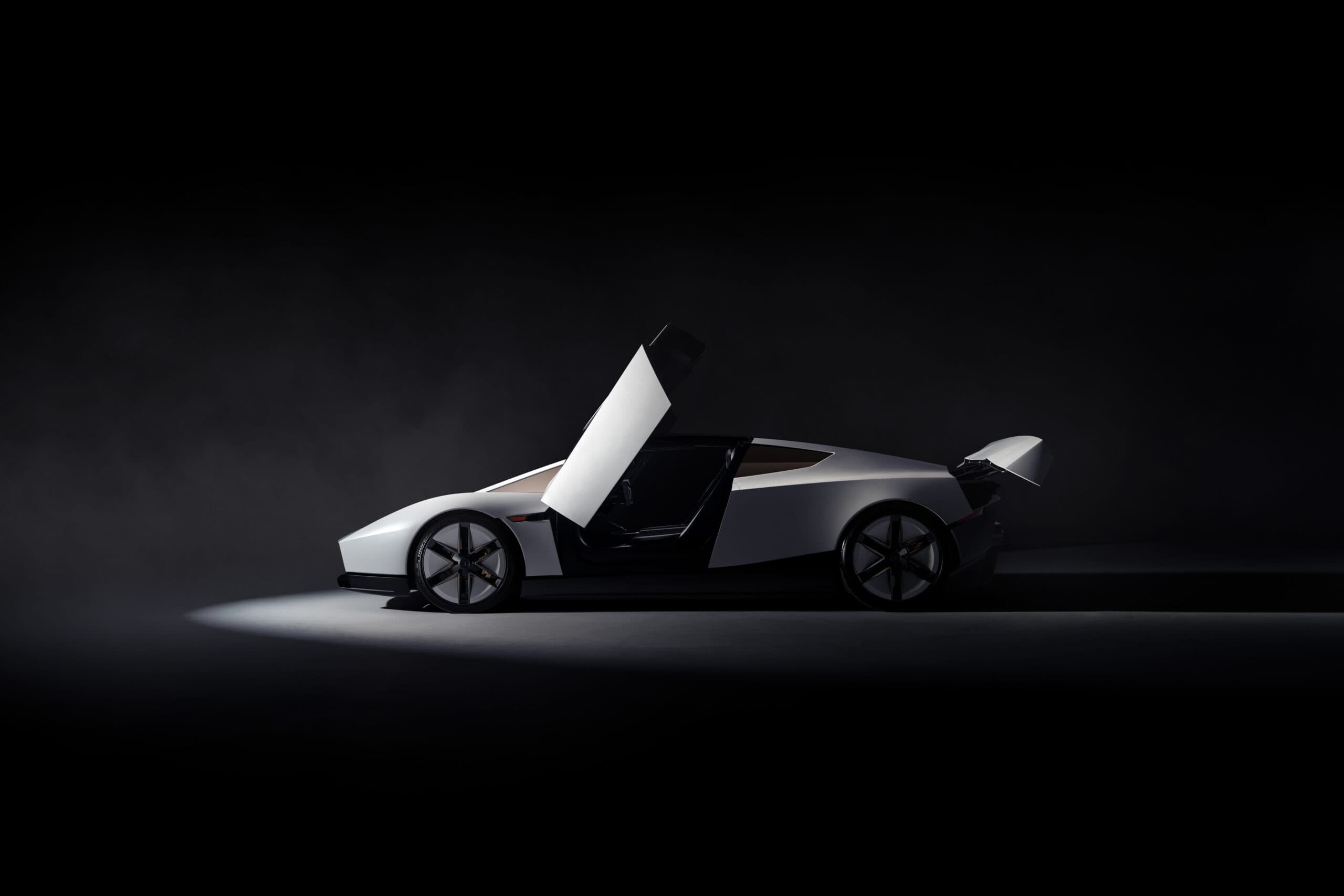
Over the past several years, Ford Performance has used a series of high-profile electric demonstrator vehicles to push the limits of EV technology. Those projects delivered notable achievements, including record-setting performances at the Nürburgring and victories at the Pikes Peak International Hill Climb.
According to Ford Performance global director Mark Rushbrook, future demonstrators will no longer be limited to fully electric platforms. Speaking with Autocar, Rushbrook said Ford plans to continue building experimental vehicles but will incorporate a wider range of powertrain technologies.
“We’ll continue to do demonstrators, but we’re not going to restrict ourselves to full electric,” Rushbrook said. “We still have a lot of electric cars in our future, but we also have a lot of hybrids coming, and we also have a lot of combustion vehicles coming.”
Ford believes its EV demonstrator program has already provided valuable insights that have benefited the development of production hybrid vehicles. The company now intends to expand those learnings by exploring hybrid systems through future performance-focused projects.
Formula 1 hybrid lessons influence future development
Rushbrook highlighted Ford’s growing interest in hybrid technology as the automaker prepares to deepen its involvement in Formula 1. The company sees the sport’s advanced hybrid powertrains as an important opportunity to gain additional technical knowledge that could eventually influence future road vehicles.
“We’re learning a ton about hybrid powertrains in F1, but there’s more that we can learn,” Rushbrook said.
The executive also explained why Ford chose not to participate in Formula E, the all-electric racing series. According to Rushbrook, the company preferred the flexibility offered by its in-house demonstrator program rather than operating within the technical restrictions of a spec racing series.
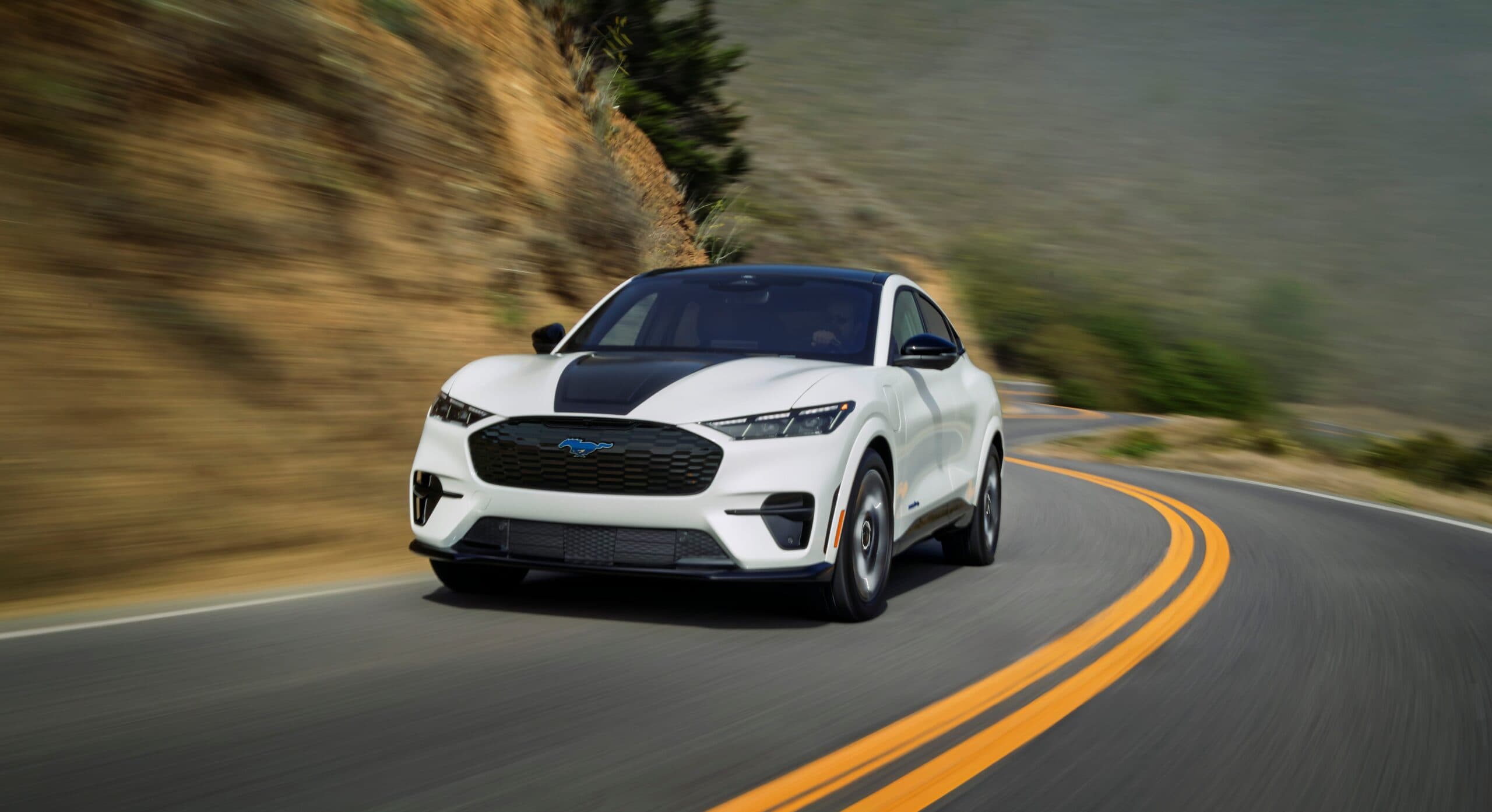
Ford’s experimental vehicle strategy allows engineers to develop technology across a wide range of platforms, from commercial vehicles such as the Transit and F-150 to performance-focused products like the Mustang Mach-E and Mustang coupe. That freedom enables teams to evaluate battery technology, electric motors, controls, software calibration, aerodynamics, and hybrid systems without racing-series limitations.
As Ford broadens its technology roadmap, future demonstrator vehicles are expected to showcase a more diverse mix of electrified and conventional powertrains while continuing to serve as rolling laboratories for next-generation vehicle development.
EV.com tracks the evolving EV collector space and performance electric vehicles hitting the market. Explore our listings to find the best EVs in your area available today.
Comments
Categories
Related news
Subscribe for EV News and Reviews

AI Employee for Car Dealerships
Results in 30 days - Or We'll Give You Your Money Back