Ford Pushes Ahead with Michigan EV Battery Plant Despite Political Pressure
The factory is expected to produce LFP batteries.
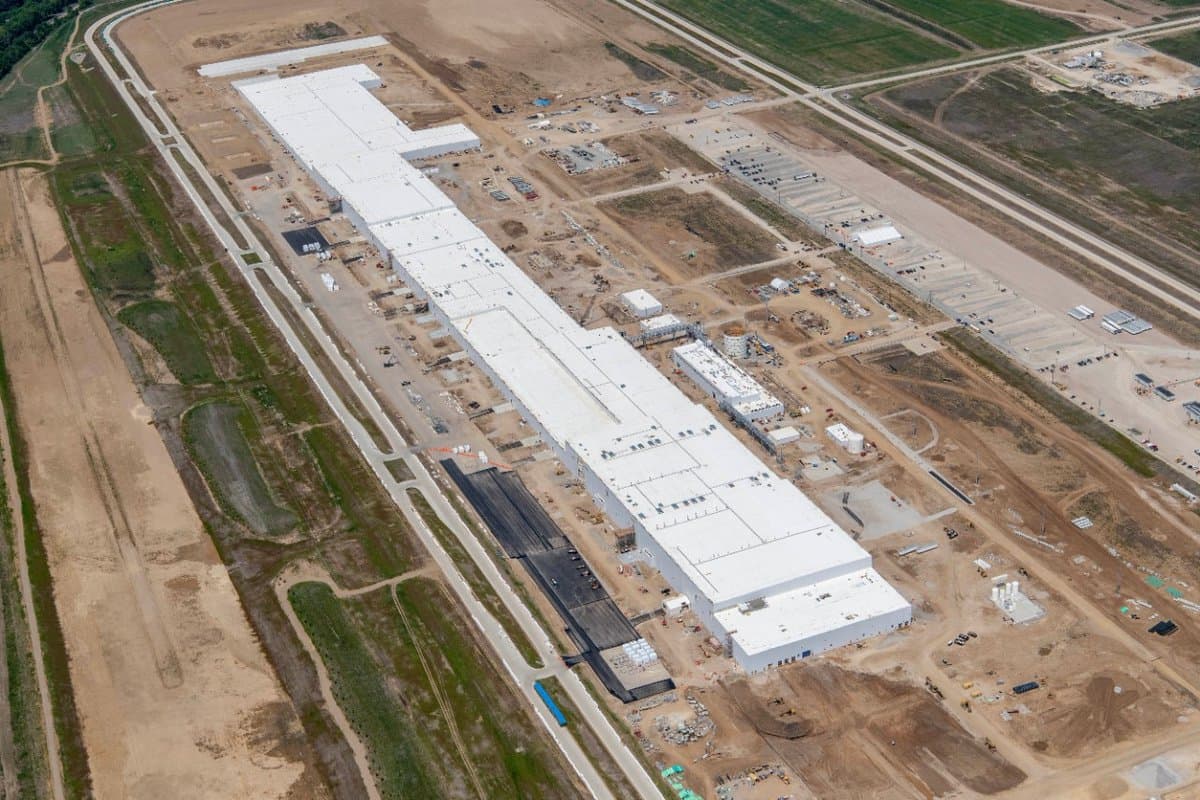
Ford Motor Company is moving forward with the construction of its $3 billion electric vehicle battery factory in Michigan, even as federal lawmakers debate rolling back key tax subsidies that helped make the project viable. The factory, located in Marshall, is now 60% complete and expected to begin production with licensed technology from Chinese battery giant CATL.
The facility represents a strategic effort by Ford to bring lithium-iron-phosphate (LFP) battery production to the U.S., which is expected to be used in the company’s upcoming electric cars.
Factory built on tax incentives and licensed tech
The Marshall battery plant is designed to produce up to 20 GWh annually. Under the current U.S. tax framework, that could earn Ford up to $900 million in production tax credits, or roughly a third of the plant’s cost. These credits were provided under the 2022 Inflation Reduction Act, and they were intended to reward domestic battery production with up to $45 per kWh when combining cell and pack incentives.
Ford licensed LFP battery technology from CATL to offer more affordable EVs while staying globally competitive. Although LFP was originally developed in the U.S. in 1997, it was industrialized in China in the 2010s. Ford says tapping into CATL’s know-how helps accelerate domestic capabilities and build a local supply chain, according to Axios.
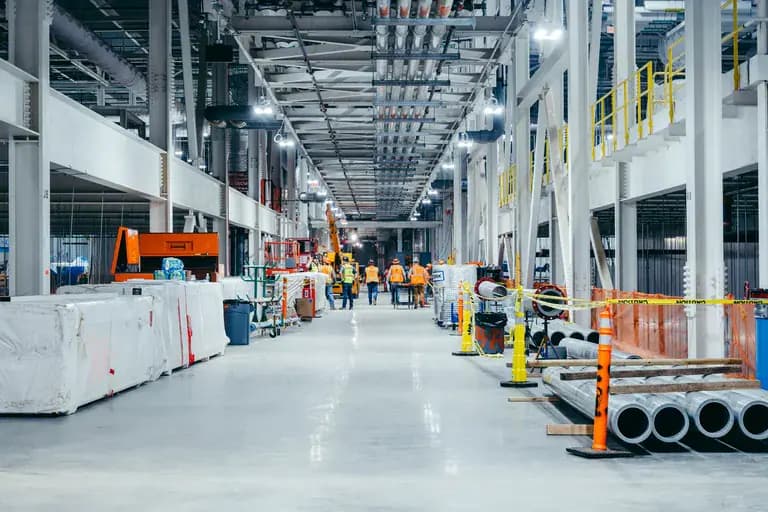
Ford defends project as crucial to U.S. EV future
As Congress weighs a bill that could end such subsidies, particularly for projects involving Chinese partnerships, Ford is making a public case for the factory’s value. Vice President Lisa Drake argued that the U.S. must build capacity in LFP battery production or risk falling further behind global competitors.
“How can we compete if we don’t have this technology. Somebody has to take the lead,” she said. “I’m convinced this is the right thing to do for the United States.”
Drake emphasized that the production tax credit has become even more essential amid slowing EV demand. Losing it, she warned, could jeopardize the factory’s future and its 1,700 promised jobs. A Senate vote on the matter could come as soon as this week.
EV.com follows the critical intersection of EV policy, jobs, and manufacturing. Explore our listings for popular electric vehicles today.
Comments
Categories
Subscribe for EV News and Reviews

AI Employee for Car Dealerships
Results in 30 days - Or We'll Give You Your Money Back