Ford Patents Power-Limiting Rental Mode for Future EVs
The patent application was originally filed in March 2023 and published on May 26, 2026 under serial number 12636972.
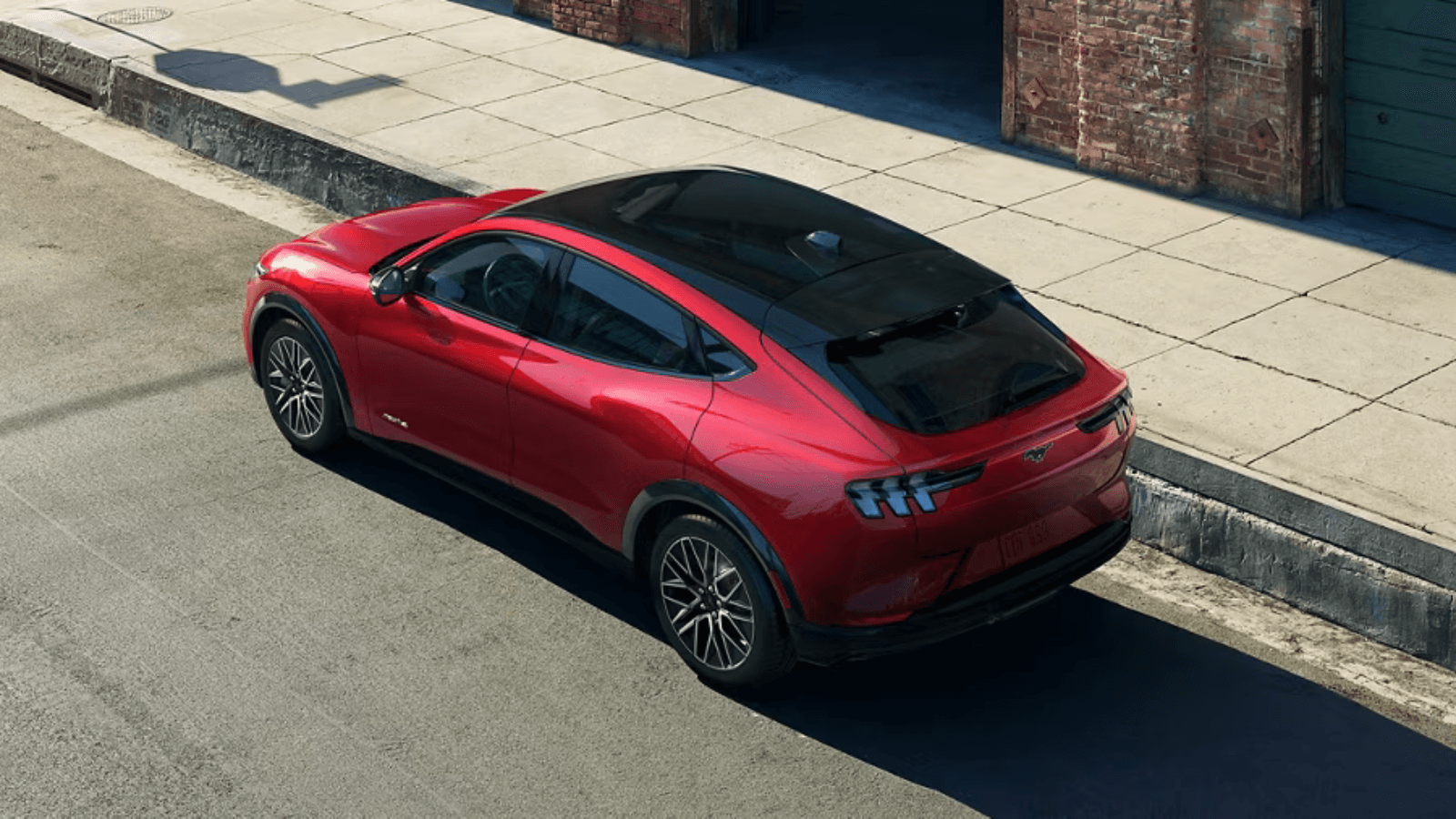
Ford Motor Company has filed a patent for a potential “power-limiting rental mode” that could allow future electric vehicle owners to remotely restrict performance when lending or renting out their cars. The newly published patent builds on Ford’s broader exploration of vehicle-sharing and rental-focused software features as automakers increasingly look toward connected-car services and owner monetization tools.
The patent application was originally filed in March 2023 and published on May 26, 2026 under serial number 12636972.
Ford explores rental-focused EV features and remote controls
According to the patent filing, Ford proposed a special operating mode that could automatically limit an EV’s power output whenever the vehicle is placed into a rental configuration.
The system could allow owners to predefine performance limits before handing the vehicle over to another driver, potentially preventing renters from accessing the EV’s full acceleration or performance capabilities, according to Ford Authority.
Ford’s patent also described the possibility of remote feature requests. In that scenario, renters could request additional power or premium features through software, while the owner would retain the ability to approve or reject those requests remotely.
The concept appears designed for peer-to-peer vehicle rentals or future vehicle-sharing services, where owners may want tighter control over how their cars are used.
The filing follows another recently published Ford patent focused on valet and rental functionality. That earlier concept included temporary digital keys, legal acknowledgment prompts, cabin sanitization features, and vehicle data tracking tools intended to prepare vehicles for short-term rentals.
Automakers increasingly treat vehicles as software platforms
While patent filings do not guarantee future production features, the concept highlights how automakers are increasingly treating vehicles as software-defined platforms capable of unlocking features, restrictions, and services digitally.
The idea of limiting vehicle performance through software already exists in several forms across the automotive industry. Some EV makers currently offer configurable drive modes, parental controls, speed governors, and subscription-based software upgrades.
Ford’s proposed system would extend those concepts into the growing peer-to-peer rental and shared mobility market, potentially allowing owners to earn supplemental income from idle vehicles while reducing wear, liability concerns, or misuse risks.
In a statement accompanying the patent publication, Ford emphasized that patent applications should not be interpreted as confirmed product plans.
The company said filing patents is a standard part of protecting intellectual property and exploring future ideas, adding that customer needs would ultimately determine whether any concepts reach production vehicles.
As EVs become increasingly connected and software-driven, features involving remote management, digital permissions, and configurable vehicle access are expected to play a larger role in future mobility ecosystems.
EV.com tracks the evolving EV collector space and performance electric vehicles hitting the market. Explore our listings to find the best EVs in your area available today.
Comments
Categories
Related news

Subscribe for EV News and Reviews

AI Employee for Car Dealerships
Results in 30 days - Or We'll Give You Your Money Back