Ford is Designing its New EV Pickup Around LFP Batteries
Executives say the decision to center the new Universal EV Platform on LFP was made early and shaped the truck’s packaging, weight targets and cost strategy.
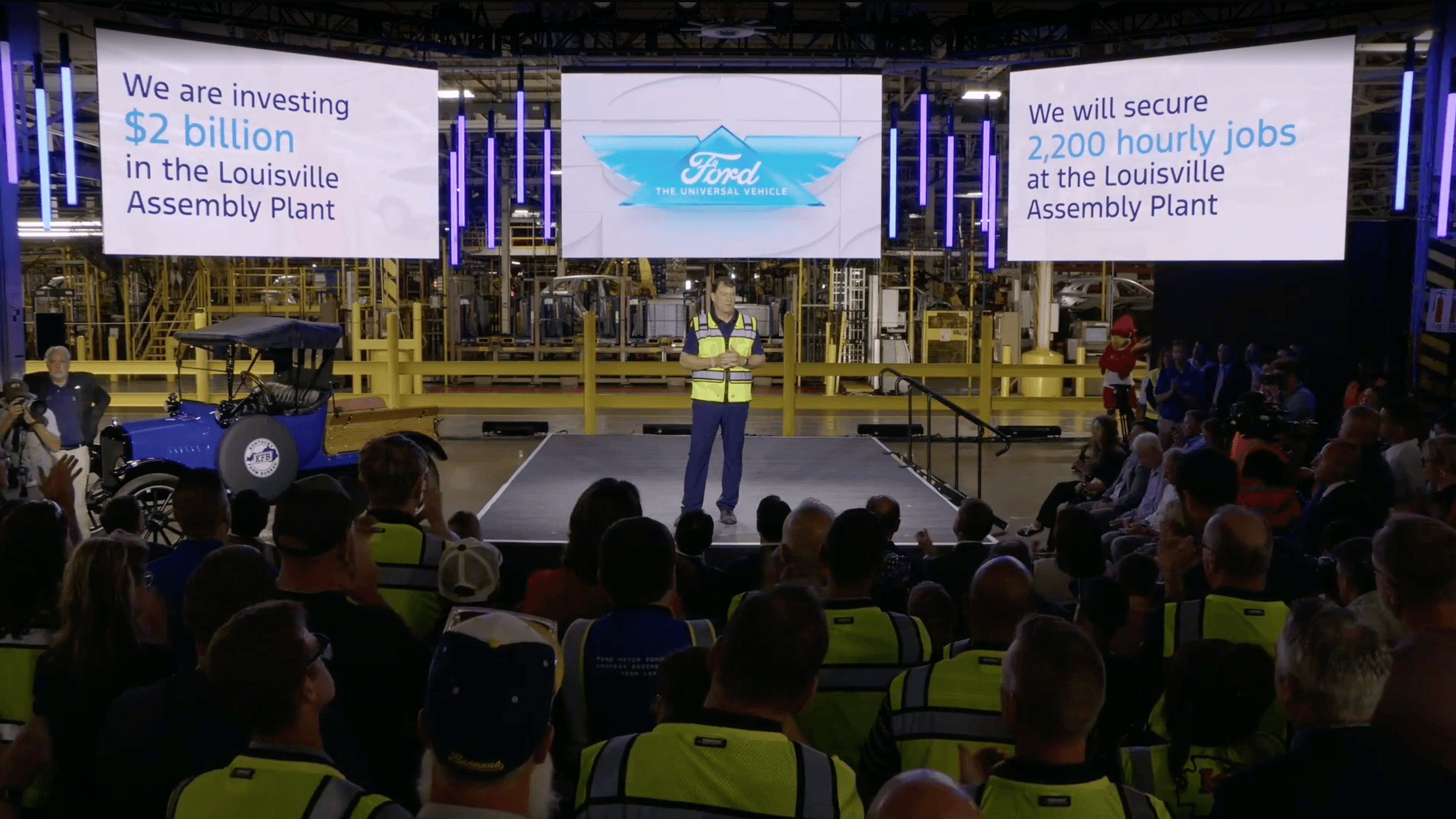
Ford Motor Company designed its upcoming mid-size electric pickup primarily around lithium-iron phosphate batteries, even though the platform will support multiple chemistries. Executives say the decision to center the new Universal EV Platform on LFP was made early and shaped the truck’s packaging, weight targets and cost strategy.
The new pickup will be the first vehicle to launch on Ford’s Universal EV Platform and is expected to enter production later this decade.
Platform engineered around LFP from the start
Speaking on the InsideEVs Plugged-In Podcast, Alan Clarke, Ford’s executive director of Advanced EV Development, said his team selected LFP as the baseline chemistry years ago.
“We get the lowest cost for the first product with this chemistry,” Clarke said.
LFP batteries are typically less energy-dense than nickel manganese cobalt cells, but they offer cost advantages, improved thermal stability and the ability to charge to 100 percent more routinely without accelerated degradation. Clarke said Ford intentionally designed the platform around what it viewed as the most challenging configuration, according to Ford Authority.
“We assumed it would be the least energy-dense chemistry that we’d put into the platform. So it would take up the most amount of space and be the heaviest,” he said. “So it would in theory be the hardest thing that we ever designed.”
Designing for LFP first ensured the platform would physically accommodate larger, heavier cells. Clarke noted that had Ford optimized for NMC cells initially, packaging LFP later could have been more difficult.

Cost, weight and domestic battery production
To offset LFP’s lower energy density, Ford focused heavily on weight reduction and aerodynamics. Those gains are expected to allow the truck to use a smaller battery pack while still meeting range targets.
The LFP cells for the pickup will be produced at the BlueOval Battery Park Michigan facility in Marshall. Ford has also indicated the truck will support bidirectional capability, enabling owners to supply power back to their homes.
With LFP becoming the dominant global EV battery chemistry in recent years, Ford’s early commitment aligns with broader industry trends. The mid-size pickup will serve as the first proof point for the company’s next-generation EV architecture.
EV.com tracks the evolving EV collector space and performance electric vehicles hitting the market. Explore our listings to find the best EVs in your area available today.
Comments
Categories
Related news

Subscribe for EV News and Reviews

AI Employee for Car Dealerships
Results in 30 days - Or We'll Give You Your Money Back