Ford Executive Questions Whether New Low-Cost EV Platform Alone Can Counter Chinese Competition
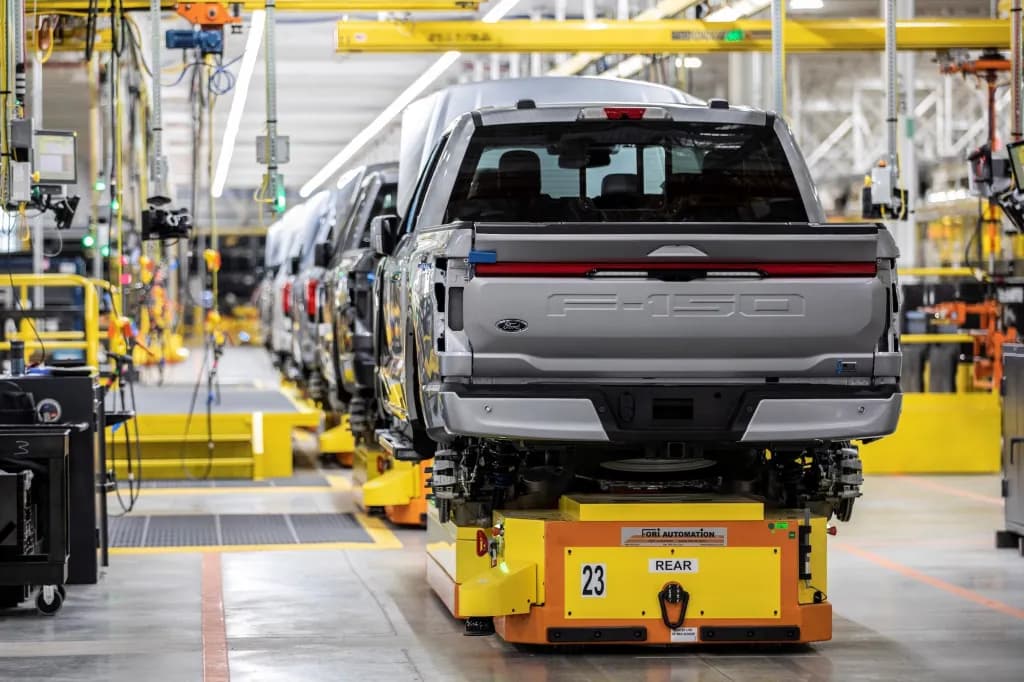
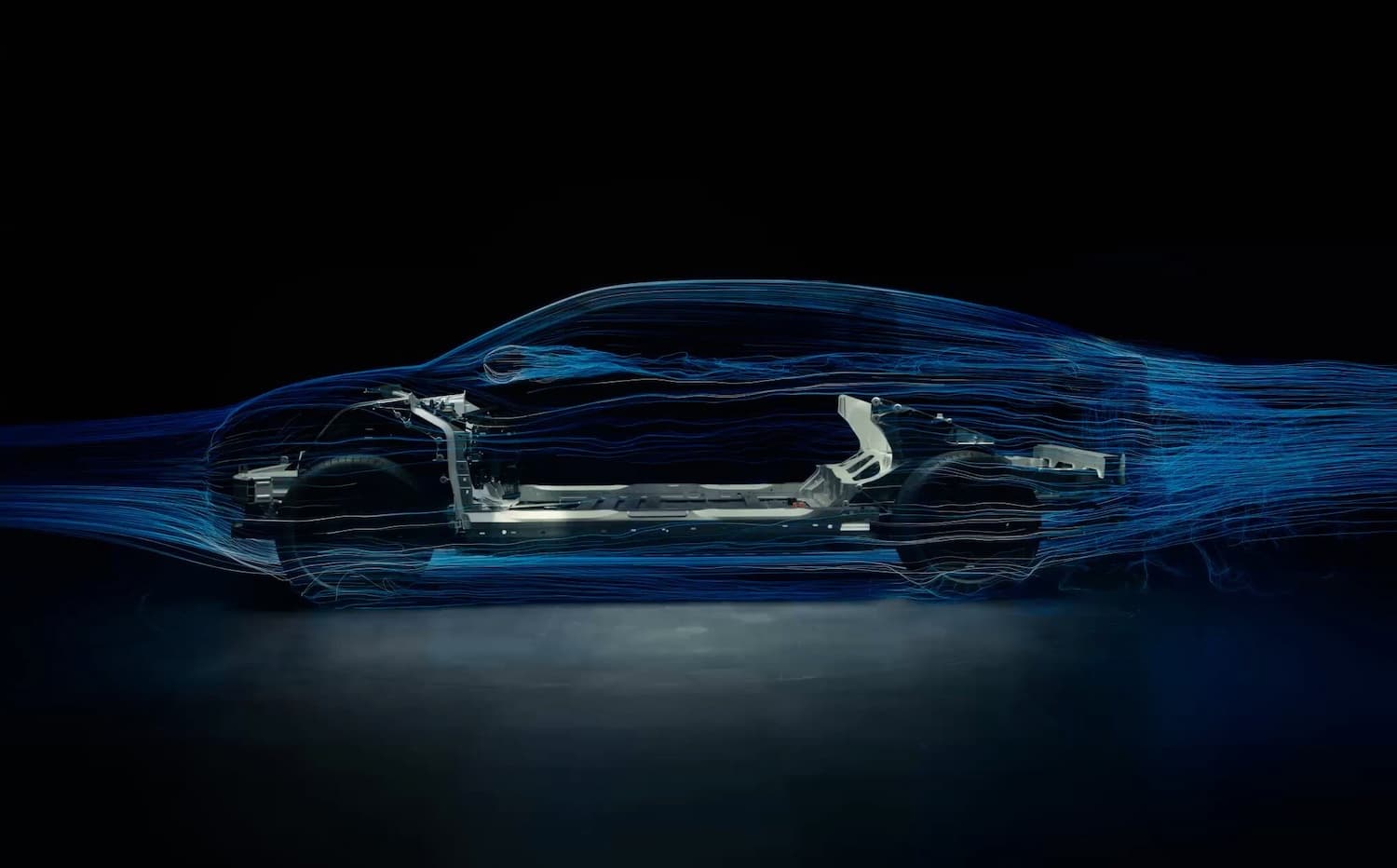
Ford’s upcoming Universal Electric Vehicle (UEV) platform is designed to dramatically lower EV costs and improve the automaker’s ability to compete with increasingly aggressive Chinese manufacturers.
However, a top Ford executive recently acknowledged that the new architecture may not be enough on its own to offset the advantages enjoyed by Chinese automakers, even as the company prepares to launch its first UEV-based model.
Ford Sees UEV As A Key Piece Of A Larger Strategy
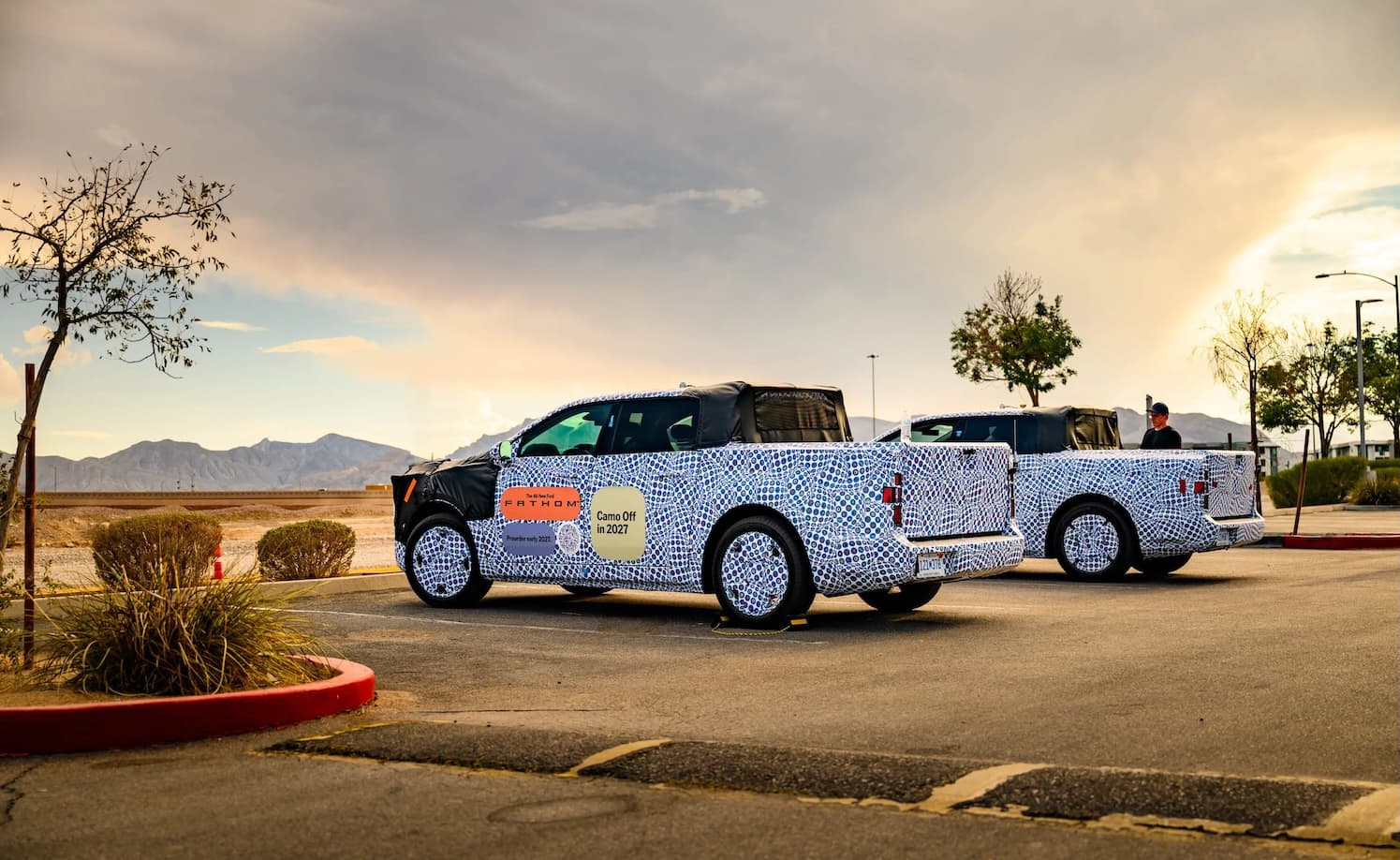
Ford has spent the past several years developing its new low-cost UEV platform through a dedicated skunkworks team. The architecture is expected to underpin a range of future electric vehicles, beginning with a midsize pickup truck scheduled to debut later this year ahead of production at the Louisville Assembly Plant in 2027, according to Ford Authority.
The platform’s primary objective is to reduce complexity, lower manufacturing costs, and enable Ford to offer more affordable EVs. Yet Andrew Frick, president of Ford Blue and Model e, suggested that the company recognizes the challenge extends beyond a single vehicle program.
Speaking with Automotive News, Frick said the lessons learned through the UEV project are already being applied across Ford’s broader vehicle portfolio. He noted that innovations in sourcing, manufacturing efficiency, and complexity reduction are being shared throughout the company rather than remaining isolated within the UEV program.
According to Frick, Ford is focused on improving competitiveness across its entire industrial operation as global competition intensifies.
Chinese Automakers Continue To Raise The Stakes
Ford’s urgency reflects the rapid expansion of Chinese automakers in markets around the world. Frick pointed to growing Chinese market share in regions such as Mexico, Australia, and Thailand, where Chinese brands and Chinese-sourced vehicles are capturing an increasing portion of industry sales.
The executive said Ford closely monitors the cost structures and competitive advantages of Chinese manufacturers and is working to incorporate those lessons into its own operations. While UEV represents a major step toward lowering costs, Ford appears to view it as part of a broader transformation rather than a standalone solution.
The first real test of that strategy is approaching quickly. Prototype versions of Ford’s UEV-based pickup are expected to begin road testing within weeks, offering the first glimpse at the company’s next-generation affordable EV program.
Ford believes the vehicle could attract more than traditional truck buyers. Frick previously suggested that SUV shoppers may also find the model appealing due to its cargo capacity, which reportedly rivals that of the Toyota RAV4. Combined with a targeted starting price of around $30,000, generous features, and engaging driving dynamics, the pickup could become a critical component of Ford’s efforts to compete in a rapidly changing global EV market.
EV.com tracks the evolving EV collector space and performance electric vehicles hitting the market. Explore our listings to find the best EVs in your area available today.
Comments
Categories
Related news

Subscribe for EV News and Reviews

AI Employee for Car Dealerships
Results in 30 days - Or We'll Give You Your Money Back