Ford Confirms Mustang Mach-E Won’t Move to New EV Platform
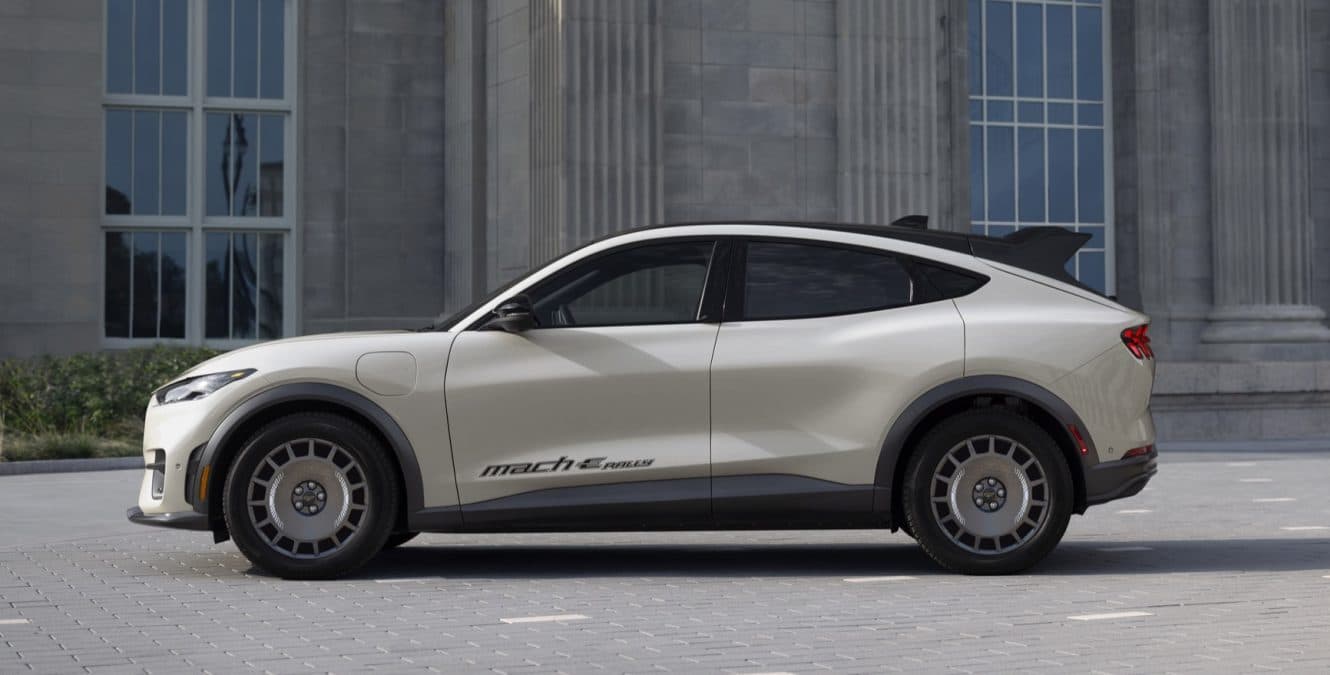
Ford has confirmed that the Mustang Mach-E will not migrate to the automaker’s upcoming Universal EV Platform, raising fresh questions about the long-term future of one of its most recognizable electric vehicles.
The decision comes as Ford restructures its EV strategy around lower-cost architectures and more efficient production methods following billions of dollars in losses tied to its first generation of electric vehicles.
Ford draws a line between old and new EV strategies
During a recent discussion about its future EV plans, Ford stated that the Universal EV Platform “will not be used for the Mustang Mach-E.” The company added that the new architecture was developed from a clean sheet specifically to maximize efficiency, highlighting a major shift in philosophy from its earlier electric vehicle programs.
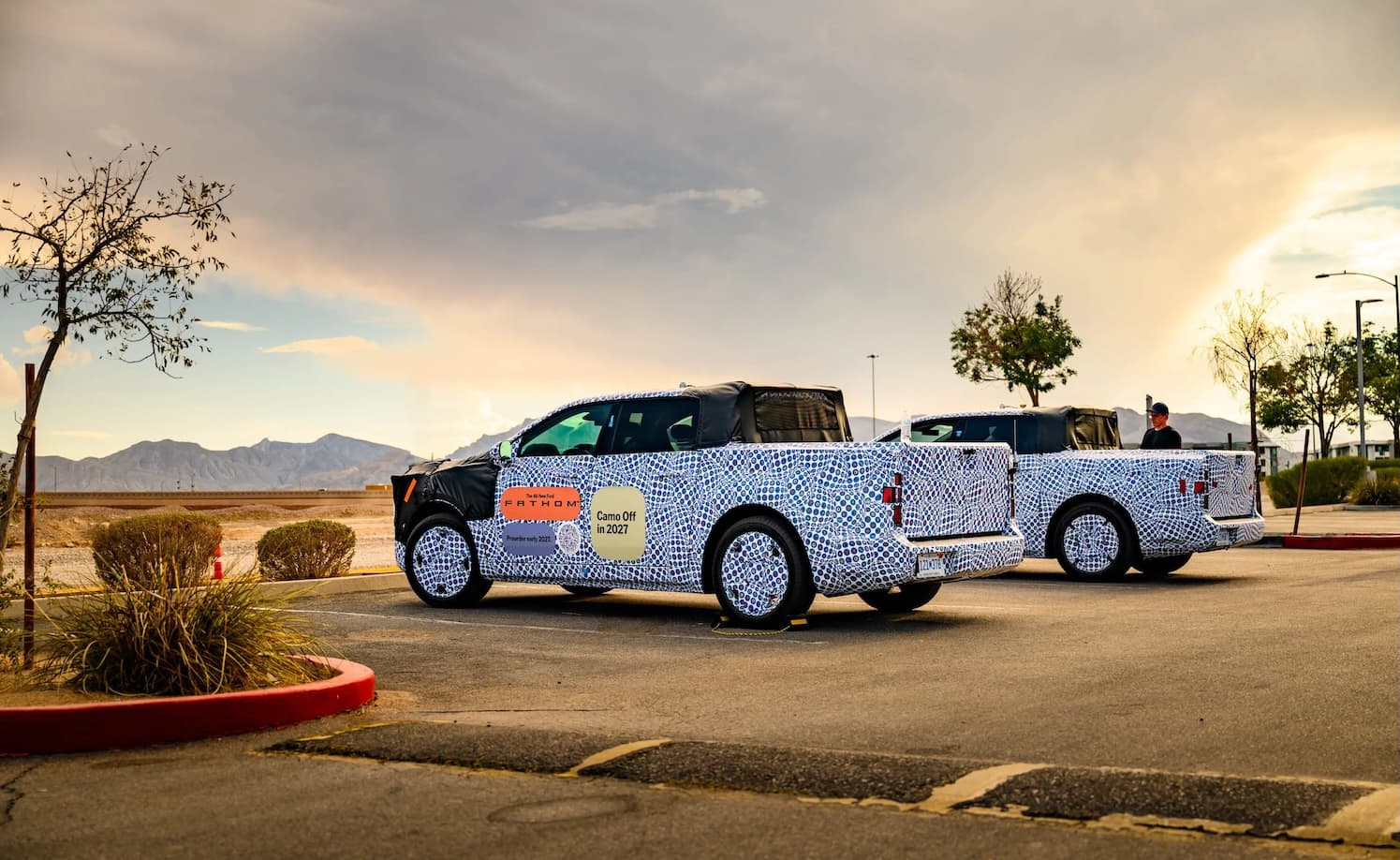
The Universal EV Platform is expected to underpin a range of future Ford products, beginning with the automaker’s upcoming midsize electric pickup scheduled to arrive next year. Ford has repeatedly emphasized that the new platform is designed to dramatically reduce manufacturing costs while improving profitability, according to Ford Authority.
The comments align with previous statements from CEO Jim Farley, who has openly criticized aspects of Ford’s first-generation EV strategy. Farley previously said the company’s early electric vehicles were designed the “wrong way” and acknowledged that lessons learned from those programs have shaped Ford’s next phase of EV development.
Ford’s transition follows a difficult financial period for its electric vehicle business. The automaker reported billions of dollars in losses from its early EV programs and implemented significant write-downs tied to canceled projects and future product revisions.
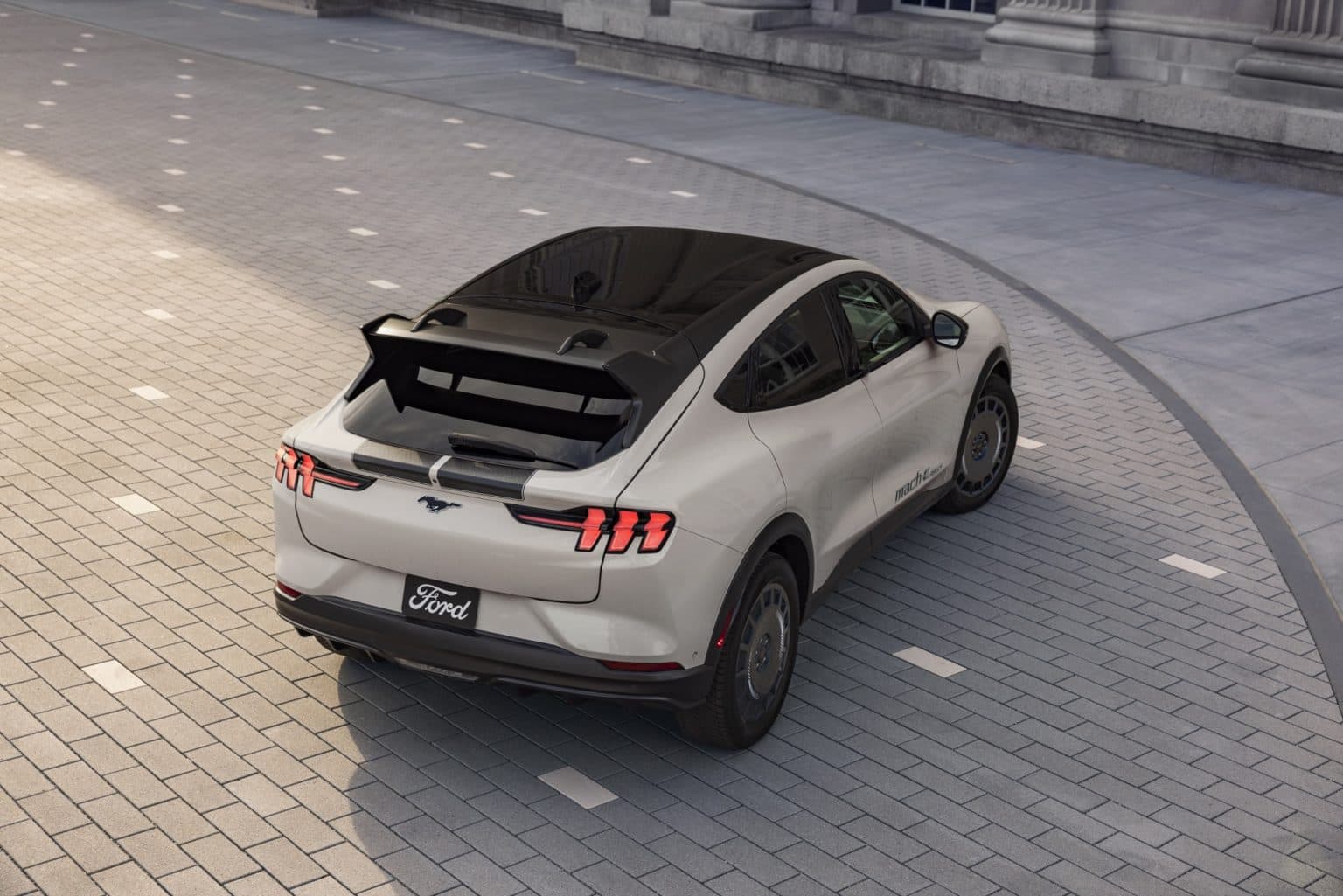
Mach-E future remains uncertain as Ford pivots
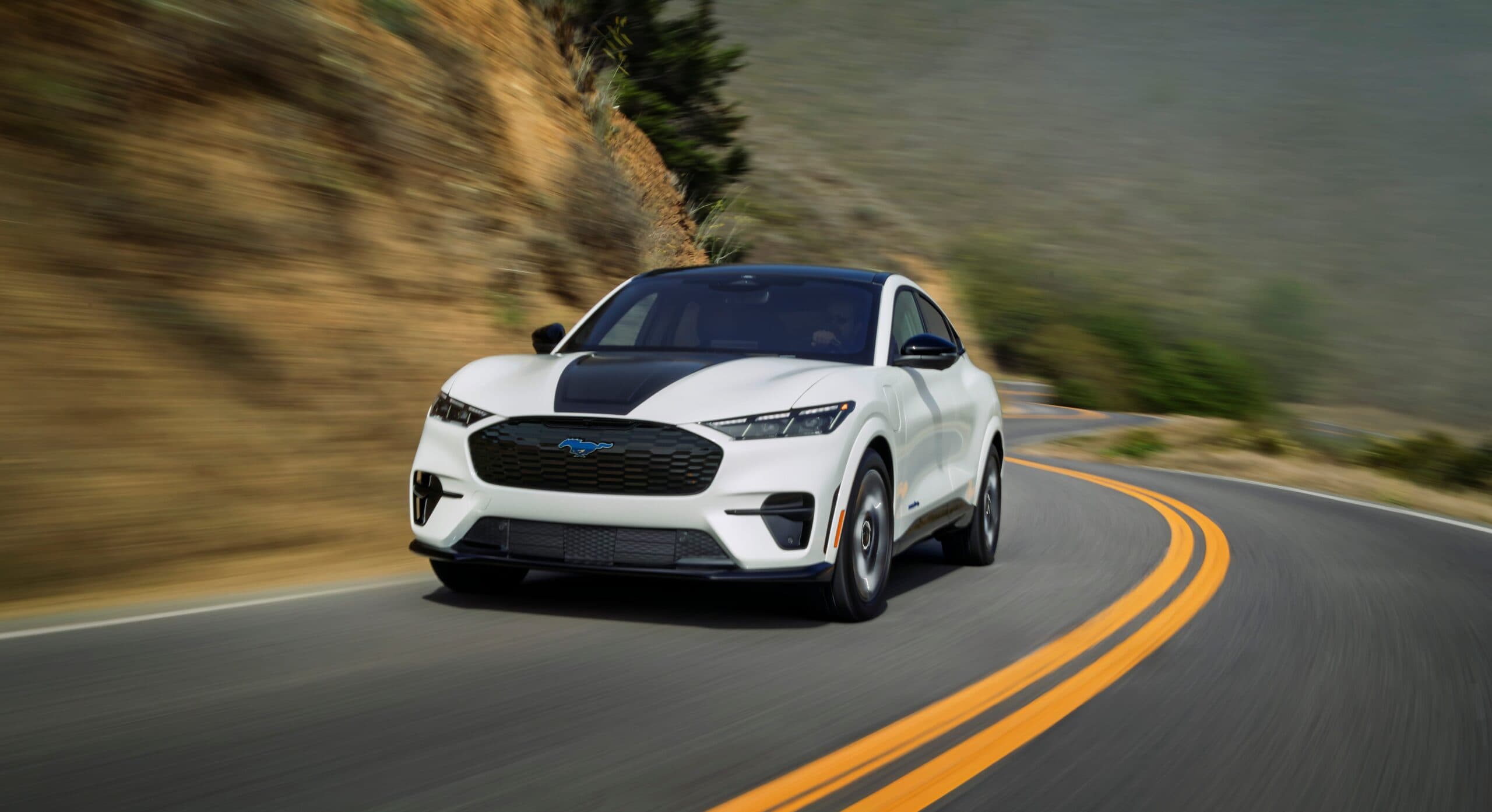
The Mustang Mach-E currently occupies a unique position within Ford’s North American lineup. Following the end of production for the F-150 Lightning, it remains the company’s primary non-commercial electric vehicle available to U.S. consumers until the arrival of the new midsize EV pickup.
Because of that role, Ford is expected to continue producing and selling the Mach-E in the near term. However, the confirmation that it will not transition to the Universal EV Platform raises questions about what a second-generation model might look like, or whether one will be developed at all.
Ford previously delayed a redesigned Mach-E until later in the decade while engineers worked to reduce costs and improve the vehicle’s business case. At the same time, reports have suggested that the Ford Escape could eventually return as an all-electric SUV built on newer technology.
With Ford concentrating future investments on a common EV architecture designed to support multiple products, the company appears increasingly focused on scalable, cost-efficient vehicles. Whether the Mustang Mach-E remains part of that future remains one of the more intriguing questions surrounding Ford’s evolving electric vehicle strategy.
EV.com tracks the evolving EV collector space and performance electric vehicles hitting the market. Explore our listings to find the best EVs in your area available today.
Comments
Categories
Related news
Subscribe for EV News and Reviews

AI Employee for Car Dealerships
Results in 30 days - Or We'll Give You Your Money Back