Ford CEO Slams Canada’s Move to Allow Chinese EV Imports
The move, backed by Prime Minister Mark Carney, allows up to 49,000 Chinese-built vehicles initially, with volumes expected to rise to 70,000 over five years.

Ford CEO Jim Farley has criticized Canada’s decision to ease restrictions on Chinese EV imports, warning of economic and security risks as the policy shift opens the market to tens of thousands of vehicles.
The move, backed by Prime Minister Mark Carney, allows up to 49,000 Chinese-built vehicles initially, with volumes expected to rise to 70,000 over five years.
Ford warns of economic and security risks as Canada opens market
Jim Farley voiced strong opposition to the policy change, arguing that allowing Chinese EV imports could undermine domestic manufacturing and pose potential cybersecurity concerns. In a recent interview, Farley emphasized that modern vehicles collect extensive data through onboard sensors and cameras, raising questions about data privacy and competitive fairness, according to Ford Authority.
The U.S. has taken a stricter stance, maintaining high tariffs and restrictions on connected vehicles with Chinese hardware or software. Farley expressed concern that Canada’s policy could create a pathway for these vehicles to enter the U.S. market indirectly, adding pressure on American automakers.
Industry groups including the American Automotive Policy Council and the Canadian Vehicle Manufacturers’ Association have also opposed the move, with some U.S. lawmakers calling for tighter restrictions or an outright ban.
Chinese automakers expand globally as Canada policy shifts
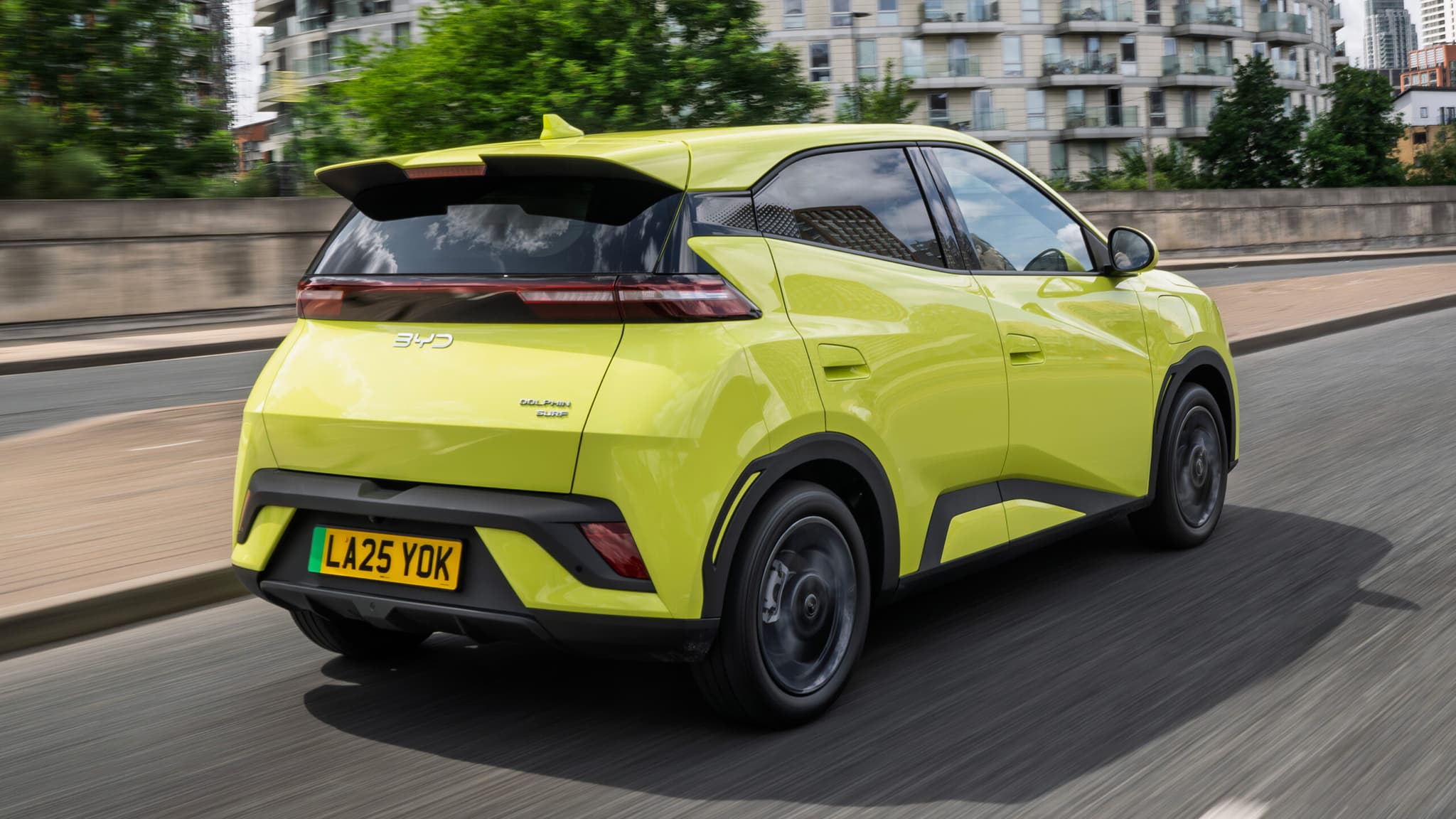
Canada’s revised policy marks a significant shift from its previous de facto ban on Chinese vehicles, aligning with broader global competition in the EV sector. The change opens the door for Chinese automakers to expand into North America, with companies like BYD already planning a retail presence.
BYD is targeting up to 20 stores in Canada by 2027, signaling aggressive expansion into new markets as domestic competition intensifies in China. The policy shift could accelerate the globalization of Chinese EV brands, many of which are leveraging cost advantages and rapid innovation cycles.
The development highlights growing geopolitical and economic tensions within the EV transition, as governments balance industrial policy, national security concerns, and consumer access to more affordable electric vehicles.
EV.com tracks the evolving EV collector space and performance electric vehicles hitting the market. Explore our listings to find the best EVs in your area available today.
Comments
Categories
Related news

Subscribe for EV News and Reviews

AI Employee for Car Dealerships
Results in 30 days - Or We'll Give You Your Money Back