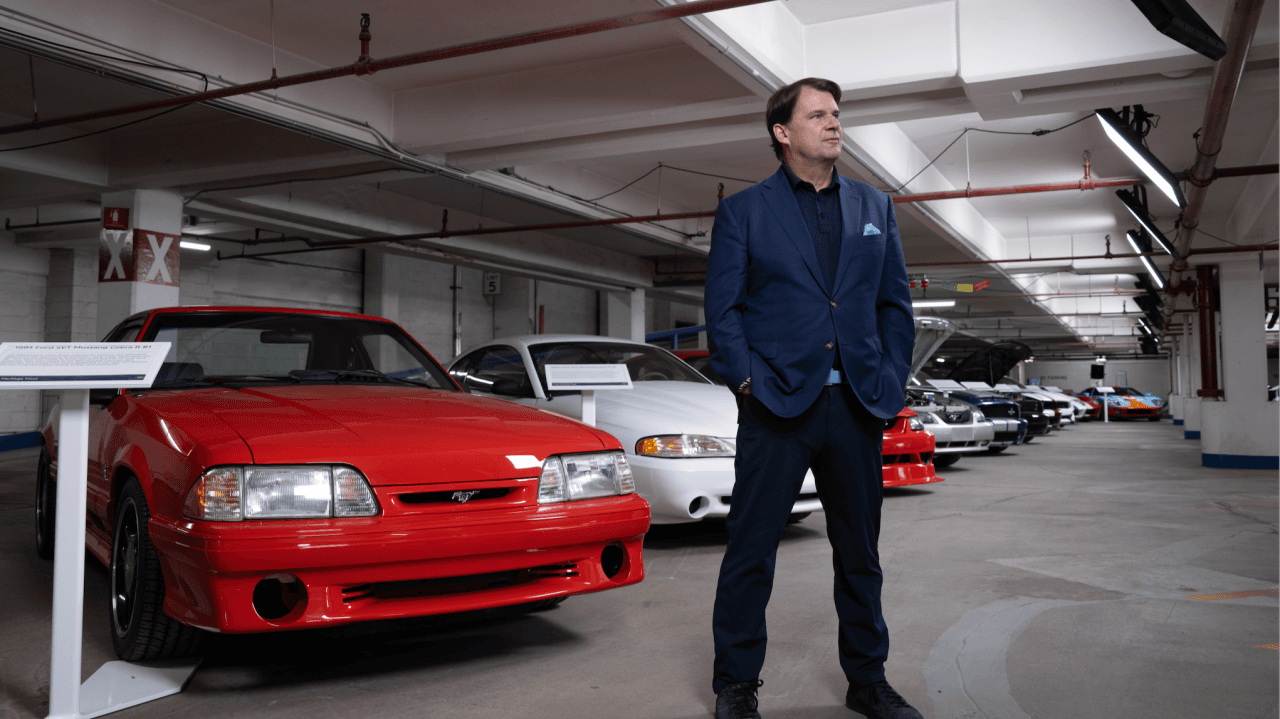
Ford Motor Company CEO Jim Farley reportedly discussed a potential framework with senior Trump administration officials that would allow Chinese automakers to build vehicles in the United States through joint ventures with American companies. The proposal, according to Bloomberg, would mirror the structure China once required of foreign carmakers entering its domestic market.
Proposal outlines joint ventures with U.S. majority control
According to the report, Farley floated a rough roadmap last month during meetings with U.S. Trade Representative Jamieson Greer, Transportation Secretary Sean Duffy, and EPA Administrator Lee Zeldin at the Detroit Auto Show.
The framework would enable Chinese automakers to manufacture vehicles in the U.S. through partnerships with American car companies, with U.S. firms holding controlling stakes. Such a structure would allow for shared profits and technology exchange while maintaining majority domestic ownership, according to CNEV Post.
The discussions followed comments from Donald Trump indicating openness to Chinese automakers building factories and hiring American workers in the U.S. “Let China come in,” Trump said during a January 13 speech at the Detroit Economic Club.
However, Bloomberg reported that administration officials reacted cautiously to the idea, believing it would likely face political resistance in Washington. While Farley did not formally advocate for the proposal, the concept reportedly surfaced as part of broader trade and manufacturing conversations.
Echoes of China’s past, and shifting global balance
The structure under discussion resembles the joint venture model China required decades ago when its domestic auto sector was still developing. At the time, foreign automakers had to partner with local firms, typically without majority control.
China has since loosened those restrictions. Tesla became the first foreign automaker to operate a wholly owned vehicle factory in China when its Shanghai plant began production in 2019. More recently, Toyota announced plans for a wholly owned Lexus EV facility in Shanghai, with production expected to begin in 2027.
The reported discussions highlight how rapidly Chinese automakers have advanced, potentially positioning them to expand manufacturing footprints abroad.
Separately, the Financial Times had reported that Ford explored a joint venture with Xiaomi for U.S. EV production, though that claim was later denied.
EV.com tracks the evolving EV collector space and performance electric vehicles hitting the market. Explore our listings to find the best EVs in your area available today.
Comments
Categories
Related news

Subscribe for EV News and Reviews

AI Employee for Car Dealerships
Results in 30 days - Or We'll Give You Your Money Back