Ford CEO Jim Farley Defends CATL Battery Licensing Strategy
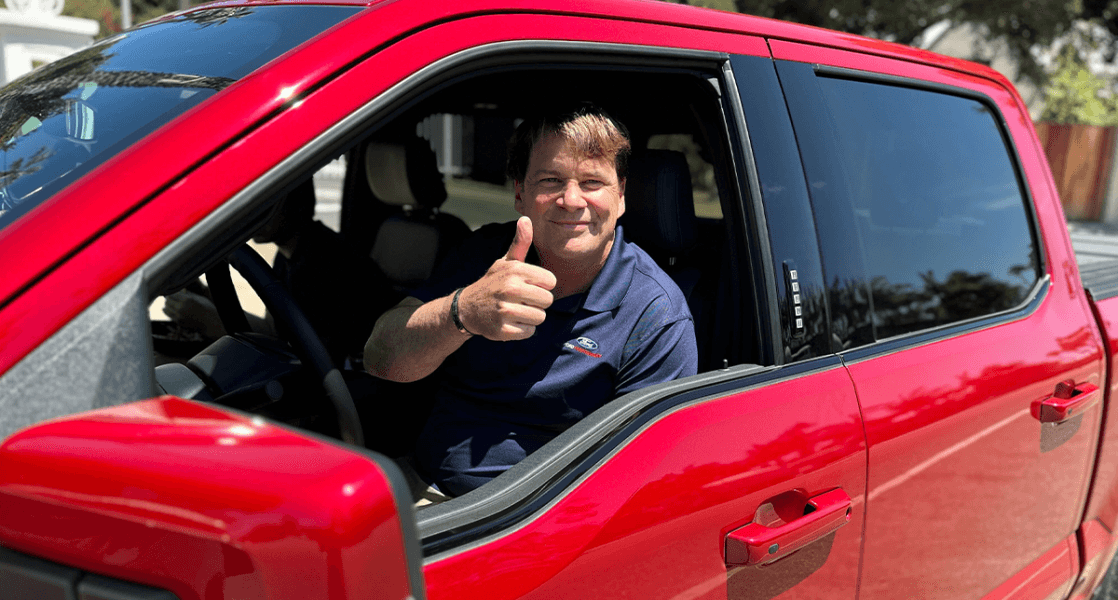
Ford CEO Jim Farley said the automaker relied on licensed Chinese battery technology for its Michigan LFP battery plant because it had no legal alternative, arguing that building batteries domestically with licensed intellectual property was preferable to importing them. The comments addressed criticism surrounding Ford’s partnership with CATL and its broader battery strategy.
Farley defended Ford’s decision to license Chinese battery IP
In an interview with Bloomberg, Jim Farley said Ford deliberately chose to license lithium-iron phosphate (LFP) battery technology rather than attempt to replicate it independently. He emphasized that Ford owned and operated the facility, employed American workers, and viewed proximity to the intellectual property as a competitive necessity.
Farley said the automaker believed it was better to build batteries in the United States and fully understand the technology than continue importing cells produced overseas. He added that Ford’s long-term competitiveness depended on gaining hands-on manufacturing experience with the underlying IP rather than remaining dependent on foreign supply chains, according to Ford Authority.
“We have a licensing agreement, but we feel it’s better to build these batteries in the United States with American workers, with our own Ford workers and understand the IP than import them like they’re being done today. The best way to compete with China is to get close to the IP and then run the plants at Ford. When Ford knows how to build things, we know how to do this, so I think this is much better for America,” Farley said.
Those remarks echoed earlier statements from Lisa Drake, Ford’s vice president of Technology Platform Programs and EV Systems, who previously said the company could not legally use battery technology without licensing it. She stated that Ford did not misappropriate intellectual property and had no option but to secure formal agreements.
LFP production and energy storage plans expanded at Michigan site
The LFP batteries will be produced at BlueOval Battery Park Michigan, using a Ford-specific pack design while licensing the chemistry, manufacturing processes, and core technology from CATL. CATL employees were expected to assist with worker training and equipment setup at the facility.
Ford also expanded the project’s scope to include LFP battery production for stationary energy storage applications, a move the company said benefited directly from its relationship with CATL. The automaker acknowledged that licensed battery technology would play a key role as it scaled both EV and energy storage operations.
Separately, Ford continued exploring additional battery supply arrangements, including a potential partnership with BYD, which could provide batteries for future hybrid vehicles.
EV.com tracks the evolving EV collector space and performance electric vehicles hitting the market. Explore our listings to find the best EVs in your area available today.
Comments
Categories
Subscribe for EV News and Reviews

AI Employee for Car Dealerships
Results in 30 days - Or We'll Give You Your Money Back