EVs Are Now Cleaner Than Gas Vehicles Across 93% of the U.S.
UCS Previously Conducted An initial Study Back In 2012 That Found Only 45% of The U.S. Showed Driving An EV Was Cleaner Than Gas Vehicles
When it comes to the automotive landscape, electric vehicles (EVs) have define the goals of sustainability with aims of reducing carbon emissions while making the environment cleaner for all. With this in mind, a recent study by the Union of Concerned Scientists (UCS) has found that driving an EV in the United States (U.S.) produces significantly fewer emissions than a gas vehicle by one thirds.
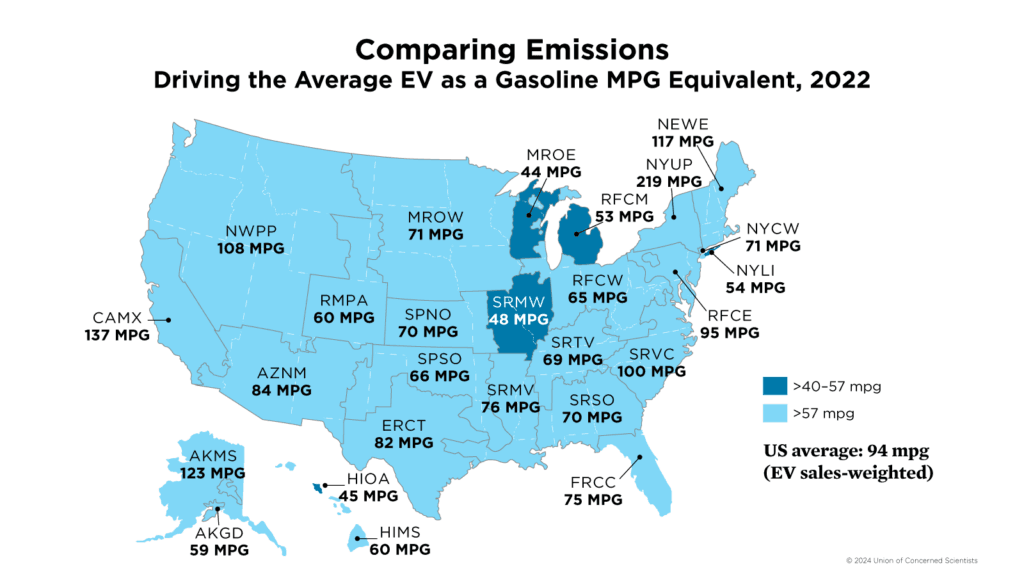
Initially, UCS conducted a study in 2012, where it illustrated that less than half of Americans lived in areas where driving an EV produced lower emissions than driving a highly efficient gasoline car returning 50 miles per gallon (mpg). Compared to its latest study, it is shown that 93% of the entire US territory now falls into the category where driving an EV results in lower emissions than driving the most efficient gasoline vehicles. This results to possessing a theoretical efficiency of 57 mpg.
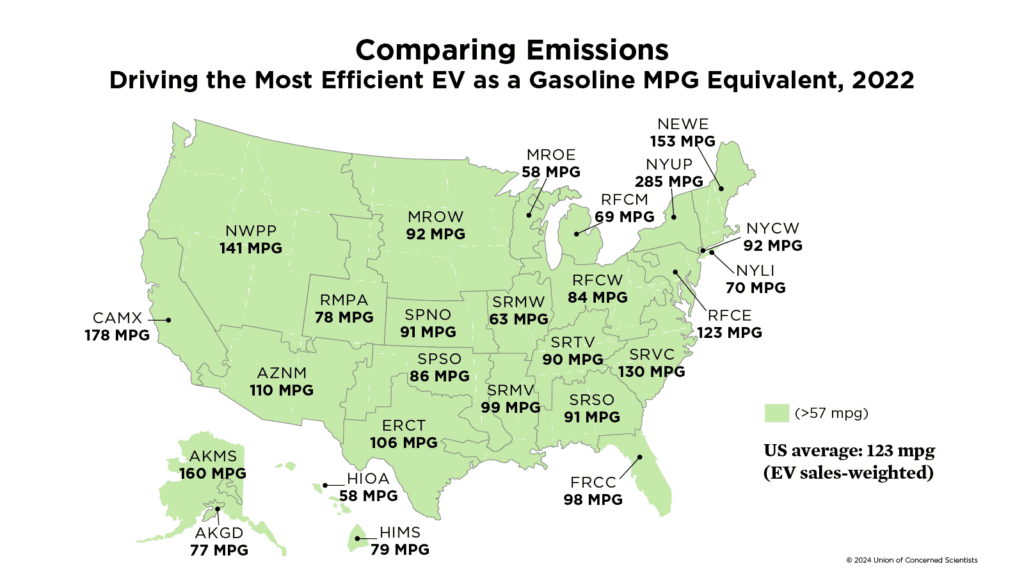
In detail to UCS’s latest study, one information that stands out is that even driving the most efficient EV produces fewer global warming emissions than any gas vehicle, including non-plug-in hybrids vehicles (PHEVs), across the nation. As a result, this improving effort allowed a cleaner electricity production in several regions that now exude fewer emissions merely from charging EVs.
Notably, driving an average EV in upstate New York, where electricity production is exceptionally clean, is equivalent to driving a gasoline car that reaches 219 mpg. Specifically with states such as Texas, driving an EV is also cleaner than driving a gas vehicle as the average EV there is equivalent to a gas car reaching 82 mpg according to UCS.

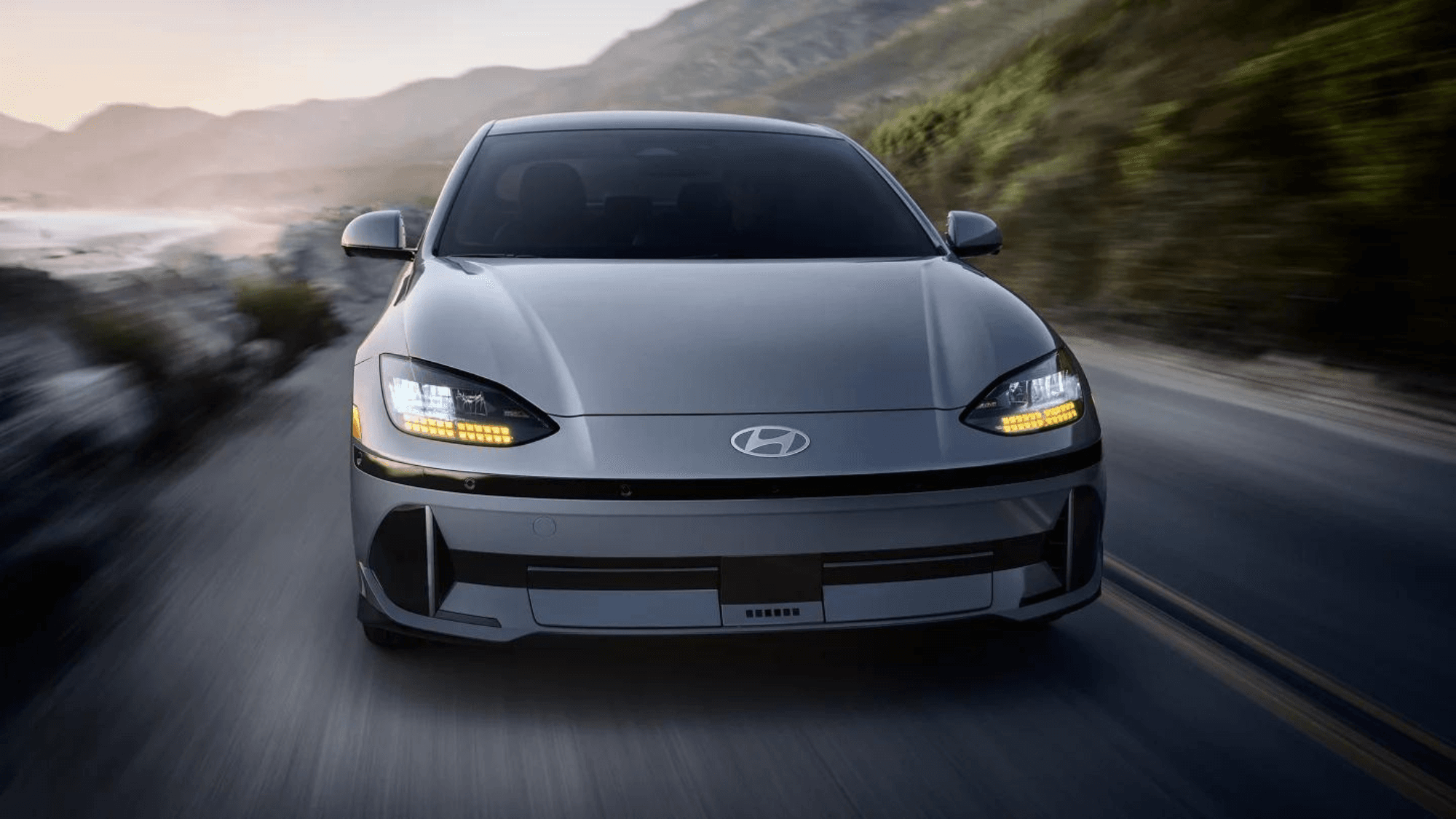
Furthermore, the study also underline the decision making on selecting efficient EV models that produces fewer emissions. An example of a highly efficient EV that was highlighted is the Hyundai IONIQ 6 model, which produces significantly fewer emissions of 98 mpg compared to an average EV that produces more.
It is important to note that despite EV production generates more emission than a comparable gas vehicle production, the overall emission in regards to vehicle lifespan between the two still shows EVs resulting producing significantly lower emissions. Consequently, the reduction in emission for EVs still outweighs the gas vehicles.
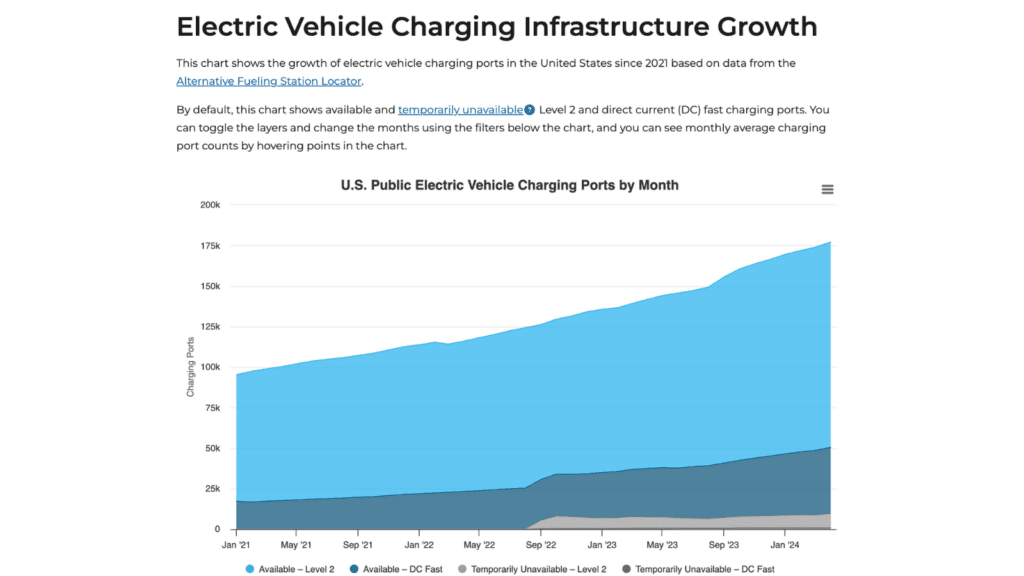
With considerations of more U.S. buyers switching to EVs also comes with the rise of charging infrastructure as the nation now has a total of around 185,000 charging ports. In addition, the expansion of selection in EV models makes the transition to EVs are more convenient and beneficial in the long run, especially for U.S. buyers. Moreover, the U.S. aiming for 500,000 public charging ports by 2030 is nearing as the country is more than one thirds toward this goal.
Ultimately, the findings from the UCS study underscores the benefits from switching from gas cars to EVs. As electric mobility solutions continue to be more prioritized with initiatives including the federal EV tax credit or particular EV state incentives across the country, the presence of EVs on U.S. roads are anticipated to become cleaner while acting as a essential tool in combating climate change.
Want to learn more about EV? Thinking of buying an EV? Head over to EV.com and discover more.
Comments
Categories
Related news
Subscribe for EV News and Reviews

AI Employee for Car Dealerships
Results in 30 days - Or We'll Give You Your Money Back