EV Leasing Surges: 45% Of New EV Transactions In 2024
Leasing Surges As Financial Incentives And Affordable Models Drive 30% Market Share Growth Among American EV Buyers In One Year
The electric vehicle (EV) market is experiencing a transformative moment, with leasing emerging as the preferred pathway for buyers exploring sustainable transportation.
A Leasing Revolution
According to recent data from Experian, it reveals a dramatic shift in how Americans are approaching EV ownership, driven by unprecedented financial incentives and more affordable model options.
In Q3 2024, EVs accounted for over 10% of new vehicle financing—a remarkable 30% increase from the previous year. Most strikingly, leasing now represents 45% of all new EV transactions, a significant jump from just 25% in 2023 and a mere 9.5% in 2022.
Melinda Zabritski, Experian’s head of automotive financial insights, attributes this growth to two key factors: the federal EV tax credit and the emergence of more budget-friendly electric models. The financial appeal is clear: EV lease payments are, on average, $198 lower per month compared to traditional auto loans.
Top Performers in the EV Leasing Market
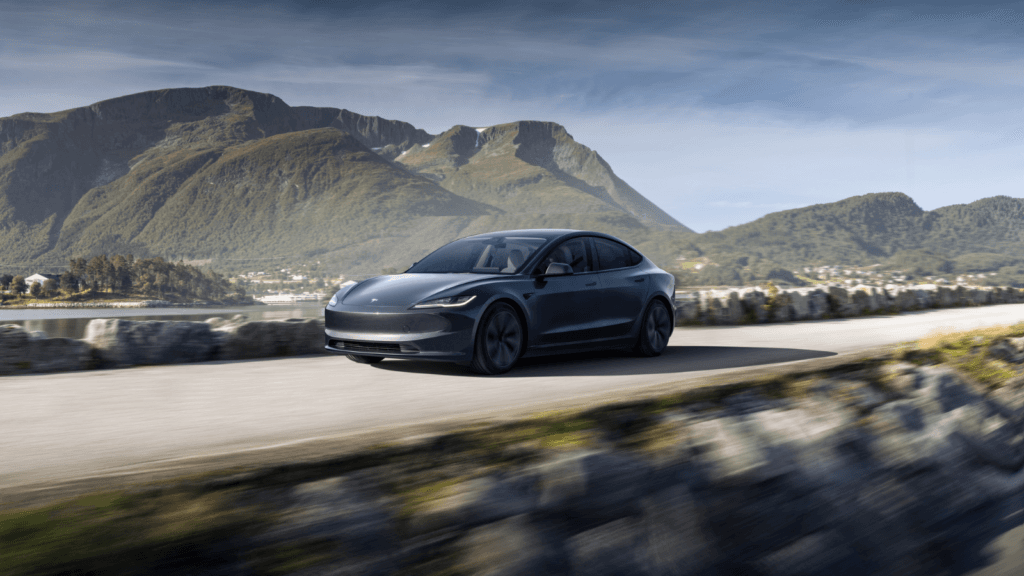
The leasing landscape is dominated by a few standout models. Tesla continues to lead, with the Model 3 and Model Y comprising 13.60% and 9.30% of EV leases, respectively. However, traditional automakers are making significant inroads:
- Hyundai’s IONIQ 5 has claimed 6.51% of the leasing market
- Honda’s Prologue has quickly captured 5.11% of leases
- Ford’s Mustang Mach-E rounds out the top five with 4.86%
Manufacturer Strategies and Incentives
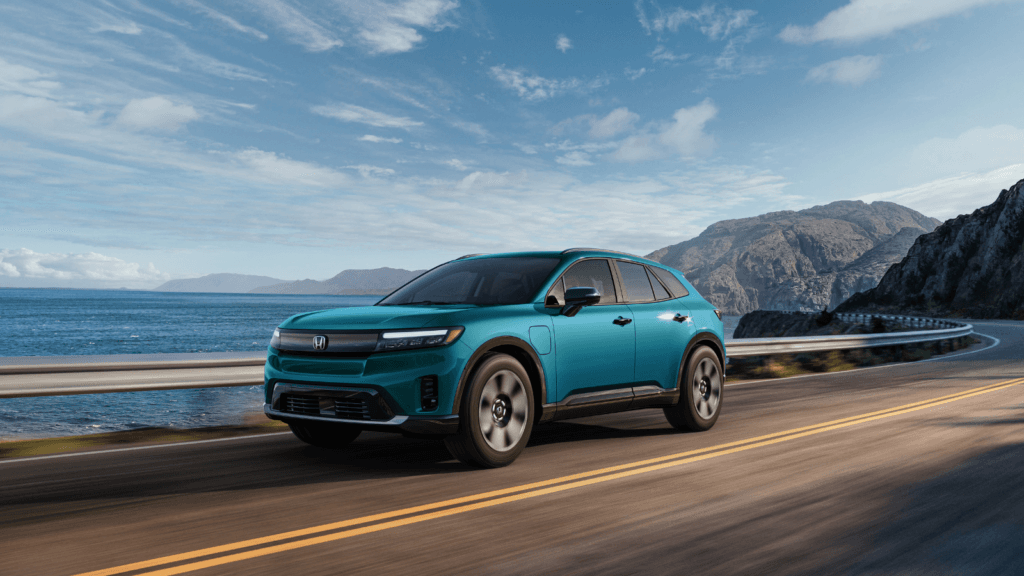
Manufacturers are aggressively positioning their EVs through attractive leasing programs:
- Honda’s Prologue can be leased for as low as $259 per month—cheaper than a standard Honda Civic
- Hyundai is offering IONIQ 5 leases starting at just $199 monthly
- Ford is providing up to $10,500 off the Mustang Mach-E, plus a complimentary home charger
- Tesla is sweetening deals with three months of free Full Self-Driving and Supercharging
A Cautious Consumer Approach
The surge in leasing might indicate consumer hesitancy about long-term EV ownership. By choosing leases, buyers can explore EVs without committing to full depreciation risks. This is especially evident with General Motors’ (GM) electric crossovers, where most customers opt for leasing over purchasing.
Potential Market Shifts on the Horizon
The current EV leasing boom might be temporary. With reports suggesting that potential political changes could eliminate the $7,500 federal tax credit, these attractive pricing models might soon disappear. This creates a sense of urgency for potential buyers considering an EV.
The EV market continues to evolve rapidly. While leasing currently dominates, the landscape could change dramatically based on technological advances, political decisions, and consumer preferences. What remains clear is that EVs are no longer a niche market but a significant and growing segment of automotive sales.
As automakers continue to innovate and offer more attractive pricing models, the transition to electric mobility appears not just inevitable, but increasingly accessible to a broader range of buyers.
Want to learn more about EV? Thinking of buying an EV? Head over to EV.com and discover more.
Comments
Categories
Subscribe for EV News and Reviews

AI Employee for Car Dealerships
Results in 30 days - Or We'll Give You Your Money Back