EV Insurance: Why Does It Cost More?
Here’s What You Need To Know To Navigate The Road Of EV Insurance
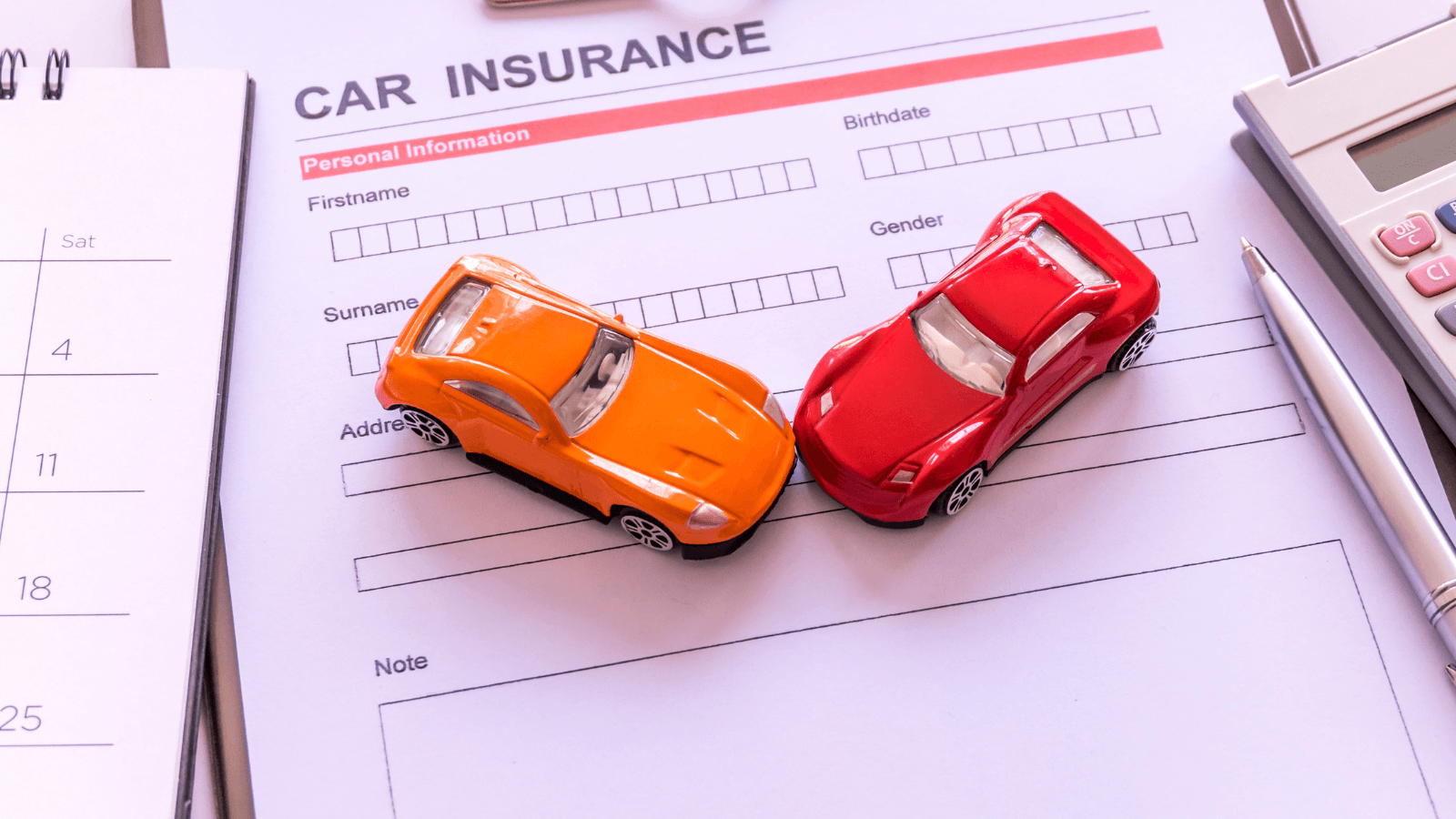
Understanding how insurance works for vehicles can be difficult to fathom as many factors need to be considered, especially as the automotive landscape experiences a tremendous shift towards electric vehicles (EVs). The understanding of how insurance is applied for EVs comes not only with enthusiasm but also with the nuances of insuring them. While EVs bring many environmental benefits, they also come with a unique set of aspects regarding insurance premiums.
Commonly, insurance rates have always been influenced by certain factors including driving history, location, and vehicle type. In terms of high-performance EVs, they possess higher insurance premiums because of the added risks associated with certain reasons like higher speed, higher performance, and higher maintenance costs. However, EVs have thrown a curveball into this established framework as insurers are entering unfamiliar territory of EVs with different new aspects to consider compared to gas vehicles.
The distinction in insurance costs between EVs and gas vehicles can come with specific models and differences in costs per month. For instance, it costs $337 per month on average to insure an EV and for gas cars, it costs $281 per month with the cheapest EV to insure is the Volkswagen ID.4 at $241 per month. Many factors arrive at this outcome, but three remain clear that contribute to the increased cost for EVs to be insured. These three factors are the price of EV parts, EV battery packs, and repair training.
Price For EV Parts
The first factor that adds to this increased cost is the price of EV parts. Compared to gas vehicles, EV parts can be pricier to get as they have an electric motor compared to a gas vehicle’s internal combustion engine. Specifically, gas vehicles have more parts closer to 30,000 and EVs have fewer parts of 15,000. Despite EVs having fewer moving parts than gas vehicles, EV technology applied to these parts is more advanced than gas vehicles, making them more complex in the consideration of being insured. Through this, it heightens costs presented to insurers with higher financial risk in the event of a claim, necessitating higher premiums depending on the EV parts as there is a lack of data compared to gas vehicles.
Battery Pack
The second factor is importantly the heart of an EV, which is its battery pack. This vital component can easily drive up insurance costs, whereas the battery pack comes with a weighty price tag. Also, the cost of replacing batteries due to the availability of certain parts and fewer auto technicians to patch them up can drive up the bill. As they possess more intricate design and specialized construction would make it harder for insurers to find themselves facing the prospect of declaring the EV regarding its status of repair, bringing insurance rates to higher costs.
Repair Training
The third factor regarding higher insurance costs for EVs is the repair training, where the aforementioned repairing and servicing EVs need specialized training and facilities due to their distinctive mechanics and components. Compared to gas vehicles, there is already a long history of technicians possessing a vast knowledge of patching them up. As for EVs, their time of presence in the automotive landscape is less compared to gas vehicles. Yet, it is important to note that there have been many training programs and initiatives to address these concerns. Nonetheless, the need for specialized expertise and resources in EV repair translates into higher premiums.
Is It Worth The Higher Cost?
But amidst these factors, there is hope as insurance premiums for EVs are gradually declining while insurers gather more data and the EV market matures. With the increasing numbers of EVs on U.S. roads and the expansion of EV models, insurers are receiving insights that enable more accurate risk assessments and potentially lower premiums.
Furthermore, the benefits of owning an EV extend beyond insurance considerations with studies finding that overall maintenance and repair costs for EVs are lower than their gas counterparts by half. In addition, the fueling expenses, environmental impact, and total lifecycle emissions are significantly less for EVs with total life-cycle emissions reduced by up to 89% compared to gas vehicles.
Despite the current automotive landscape having higher insurance costs for EVs, there are avenues to mitigate costs. Shopping around for the best insurance rates, taking advantage of discounts, and exploring bundled policies are effective strategies. As EV technology evolves and becomes more affordable, insurance premiums are expected to align more closely with those of gas vehicles.
In the realm of EVs, insurance represents one aspect of the broader transition toward sustainable mobility. While the road may be paved with initial challenges, a more sustainable future is within reach for embracing EVs. As insurers adapt and EV technology advances, the journey toward affordable and accessible electric mobility continues to unfold.
Want to learn more about EV? Thinking of buying an EV? Head over to EV.com and discover more.
Comments
Categories
Related news


Subscribe for EV News and Reviews

AI Employee for Car Dealerships
Results in 30 days - Or We'll Give You Your Money Back