EV Battery Prices Soar Downward: A 20% Price Drop In 2024
With Costs Down 20%, BloombergNEF Estimates That The $100/kWh Milestone Is Within Reach, Accelerating The Global Shift To EVs
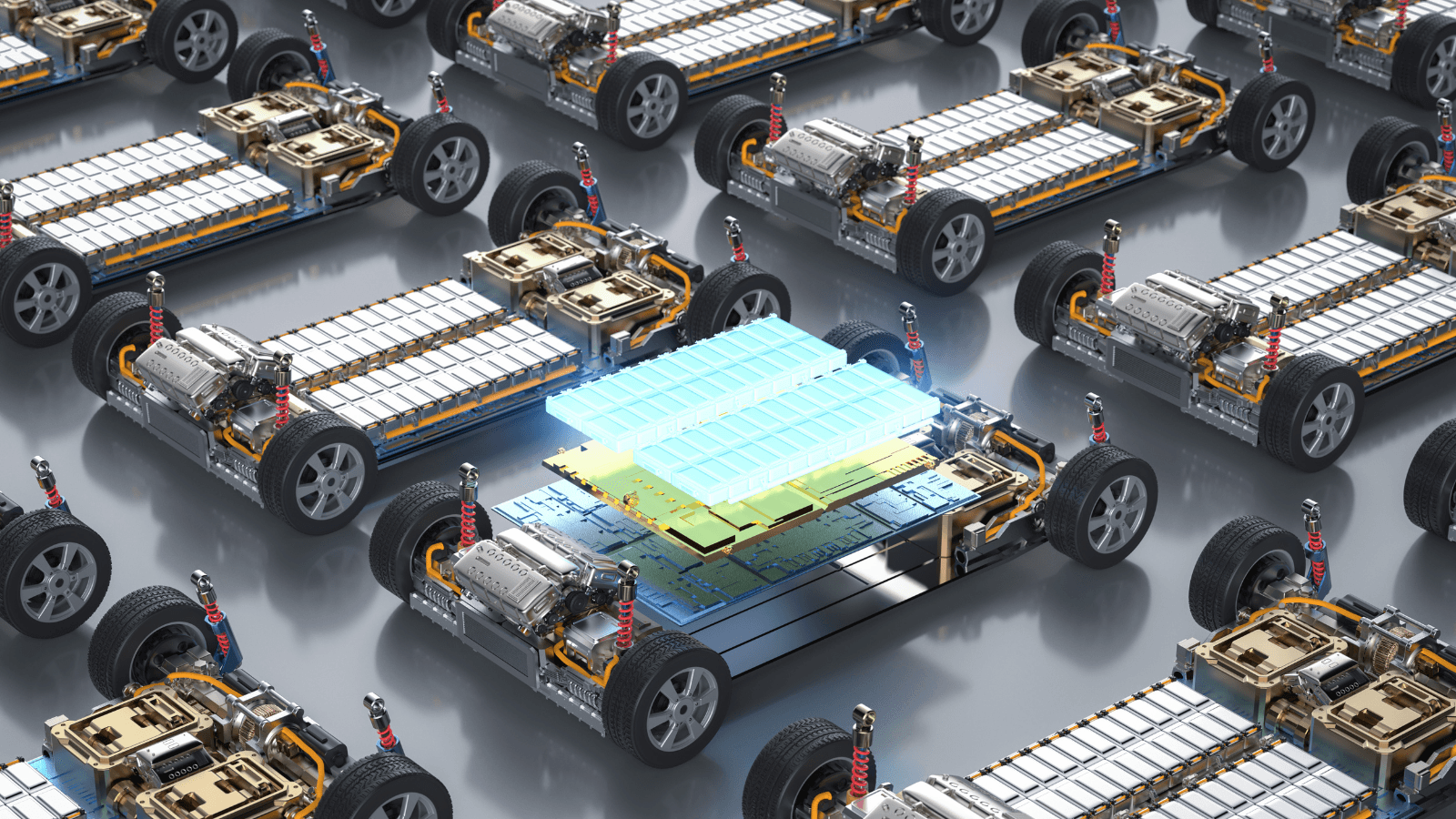
The electric vehicle (EV) market is experiencing a dramatic transformation as battery prices nosedive, promising to make clean transportation more accessible than ever before.
EV Battery Prices Plummet in 2024
According to a comprehensive annual survey by BloombergNEF, battery pack prices have fallen a stunning 20% in 2024, marking the steepest decline since 2017.
The cost of EV battery packs has dropped to $115 per kilowatt-hour (kWh), a milestone that brings EVs closer to price parity with traditional gasoline-powered cars. This substantial reduction is driven by several key factors: increased cell production, lower material prices, and the emergence of more affordable lithium iron phosphate (LFP) battery technologies.
The implications are profound. Experts predict that by 2026, battery prices could slip below $100 per kWh—a threshold long considered the tipping point for widespread EV adoption. Looking further ahead, prices could plummet to as low as $69 per kWh by 2030.
Global Market Dynamics
China is playing a pivotal role in this technological revolution. The country is projected to produce battery cells capable of meeting 92% of global demand in 2024, effectively driving down prices through massive production capabilities. Notably, major battery manufacturers like BYD and CATL are aggressively cutting prices.
However, this rapid transformation is not without challenges. Global battery production is increasingly sensitive to automotive sales volumes, and current market uncertainties could impact future pricing and production strategies.
Policy Uncertainties Loom
The future of EV affordability is not solely determined by technological advances. Shifting political landscapes could significantly influence market dynamics. In Europe, countries like Germany and France have already reduced EV subsidies, potentially slowing adoption rates.
In the United States (U.S.), potential policy changes, including proposed tariffs and the potential elimination of federal EV tax credits, could introduce new complexities to the market.
A Greener, More Affordable Future
Despite these uncertainties, the overall trajectory remains promising. The dramatic reduction in battery costs suggests that EVs are rapidly becoming not just an environmentally conscious choice, but an economically smart one. In China, EVs have already reached price parity with gasoline vehicles—a milestone that could soon be replicated globally.
As battery technologies continue to improve and production scales up, we may be witnessing the early stages of a transportation revolution. Clean, affordable EVs are no longer a distant dream but an increasingly attainable reality.
Want to learn more about EV? Thinking of buying an EV? Head over to EV.com and discover more.
Comments
Categories
Subscribe for EV News and Reviews

AI Employee for Car Dealerships
Results in 30 days - Or We'll Give You Your Money Back