EV 101: How Long Do EV Batteries Last?
Let’s Explore The Lifespan Of EV Batteries Durability, Factors Influencing Battery Life, And Its Future Advancements
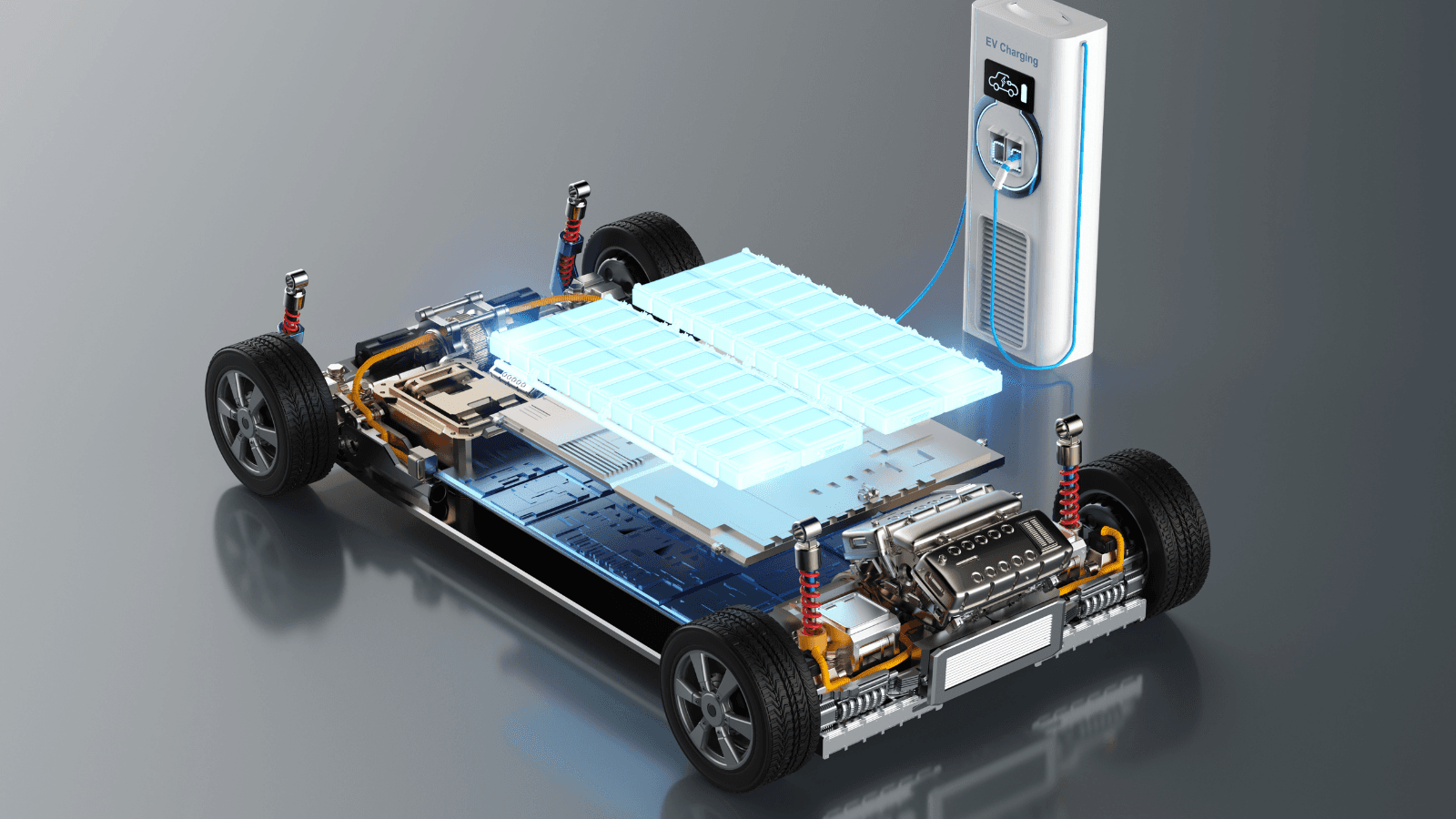
With electric vehicles (EVs) being one of the main contributing factprs to making the automotive landscape a more sustainable space, one question looms large for potential buyers and current EV owners alike: How long do EV batteries last? With this in mind, let’s break this down.
The Lifespan of EV Batteries
Contrary to early concerns about rapid degradation, EV batteries have shown to be quite durable. Most EV batteries are anticipated to last between 10 and 20 years, with many manufacturers offering warranties of at least eight years or 100,000 miles. Notably, this longevity often surpasses the average age of passenger vehicles on American roads, which currently stands at 12.5 years.
Notably, there has been researched data that suggests battery degradation is slower than initially projected. Even more encouraging, the degradation curve tends to flatten out over time, with many EVs retaining 90% or more of their original capacity after 150,000 to 200,000 miles.
Factors Influencing Battery Life
Here are several factors that can impact the lifespan of an EV battery:
- Battery Chemistry: Most EVs use lithium-ion batteries, which can experience some performance decline with age. However, they are generally more resilient than the nickel-metal hydride (NiMH) batteries.
- Driving Habits: Aggressive driving and frequent rapid acceleration can strain the battery, potentially shortening its lifespan.
- Environmental Conditions: Extreme temperatures, both hot and cold, can affect battery performance and longevity. The ideal temperature range for EV batteries is between 68 and 86 degrees Fahrenheit.
- Charging Practices: While DC fast charging is convenient for road trips, frequent use can stress the battery. For daily use, Level 2 charging is generally recommended to prolong battery life.
Maximizing Your EV Battery’s Lifespan
Consider these tips to get the most out of your EV battery:
- Park in a garage when possible to protect the battery from extreme temperatures.
- Avoid aggressive driving and opt for gentle acceleration.
- Follow the manufacturer’s charging recommendations. For most EVs, maintaining a charge between 20% and 80% is ideal for daily use.
- Limit the use of DC fast charging to road trips and occasional needs.
- When possible, precondition your vehicle’s battery before charging, especially in cold weather.
The Future of EV Batteries
As EV technology continues to evolve, EV owners can expect further improvements in battery life and performance. As of now, many automakers are investing heavily in battery research and development, aiming to create more durable, efficient, and affordable EV batteries.
The U.S. Department of Energy predicts that today’s EV batteries could last between 12 and 15 years in moderate climates, and 8 to 12 years in more extreme conditions. As battery technology advances, these estimates may prove conservative.
While the long-term performance of EV batteries is still being observed, the early data is promising. With proper care and maintenance, EV owners can expect their batteries to last well beyond the warranty period, often matching or exceeding the lifespan of traditional internal combustion engines.
As we continue to gather data on older EVs and witness advancements in battery technology, the future of electric mobility looks bright. For those considering the switch to an EV, the longevity of modern batteries should provide reassurance that these vehicles are built to last, offering a sustainable and reliable transportation option for years to come.
Want to learn more about EV? Thinking of buying an EV? Head over to EV.com and discover more.
Comments
Categories
Related news

Tesla Roadster Targets 10-Minute Charging With New High-Power Battery
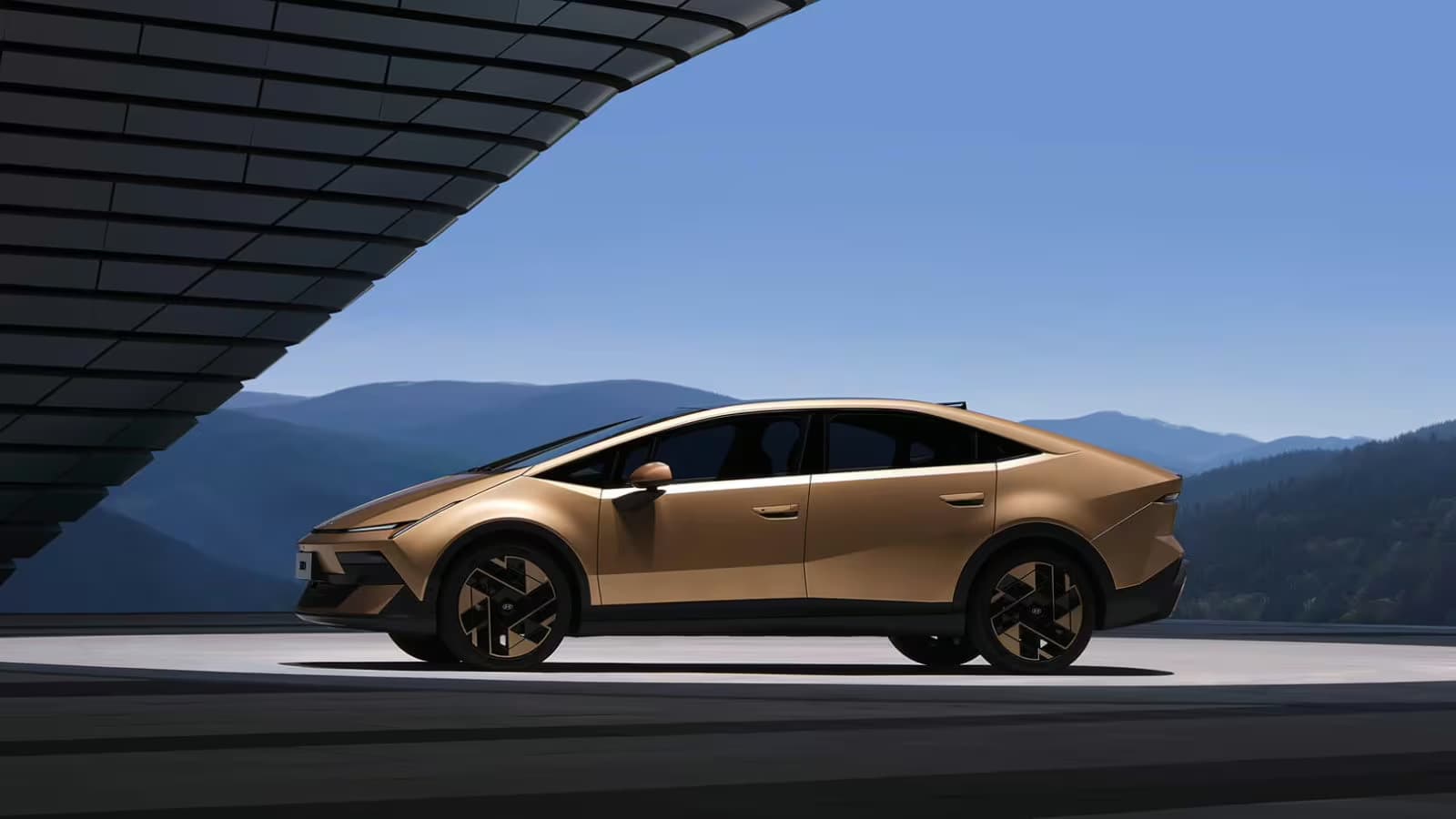
Hyundai’s New Ioniq V Starts Under $15,000 With 650 km of Range in China
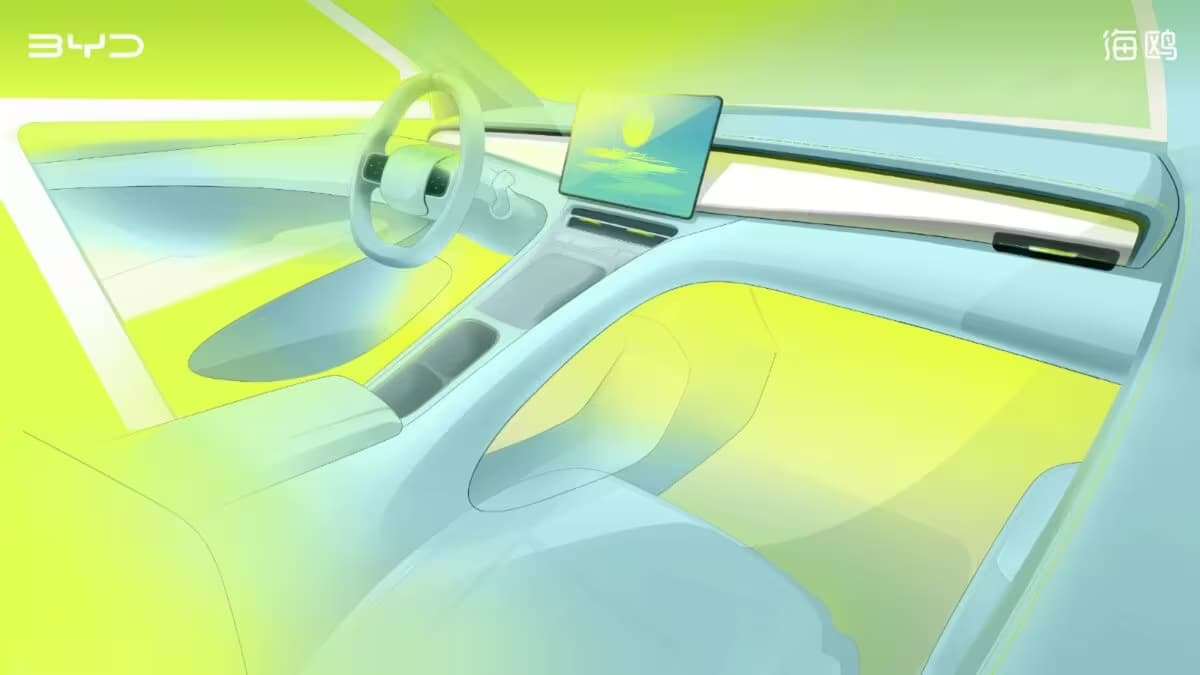
BYD Seagull Gets a Bigger Cabin and New Interior Design for Its Second Generation

Ford Says Fathom EV Pickup Owners Can Plug In Every Time They Get Home
Subscribe for EV News and Reviews

AI Employee for Car Dealerships
Results in 30 days - Or We'll Give You Your Money Back