Electric Vehicles and the New Logic of Car Insurance: How Data, Charging, and Driving Behavior Shape Modern Premiums
The comments were shared by Lucid Interim CEO Marc Winterhoff.
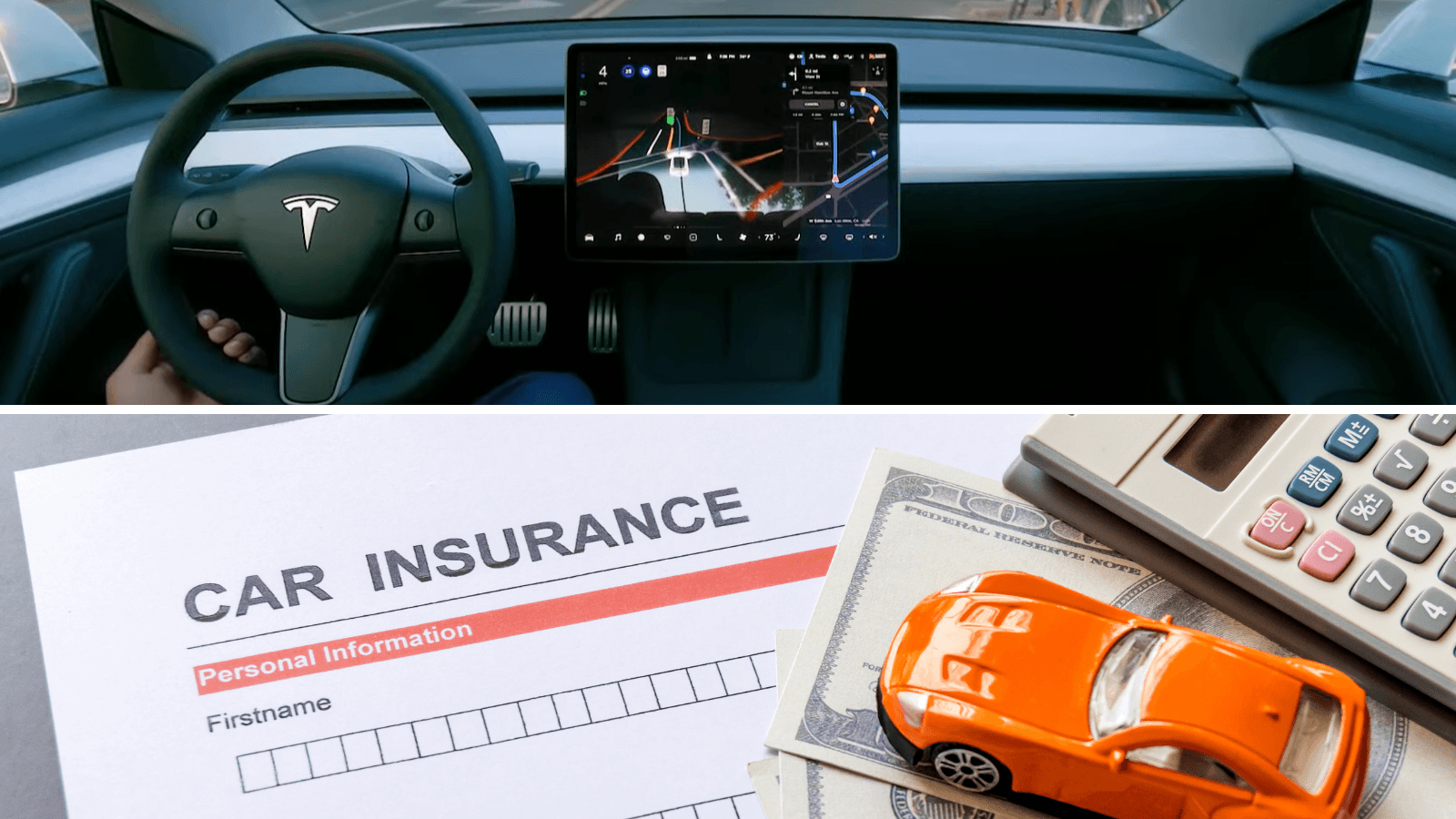
The old model of car insurance — built on assumptions about engine size, horsepower, and gas mileage — is no longer enough. Electric vehicles have introduced new variables that traditional risk models weren’t designed to handle. Battery health, charging habits, and even the data flowing from connected car sensors are now part of how insurers evaluate risk.
That shift has also transformed the process of getting an auto insurance quote. What used to rely on generic factors like age or location now incorporates smarter algorithms and richer datasets, producing premiums that reflect how — not just what — you drive.
Let’s explore how the rise of electric mobility is rewriting the rules of auto insurance.
1. The EV Effect: A New Type of Risk
EVs have flipped the script on traditional automotive design. There’s no combustion engine, fewer moving parts, and virtually no oil changes or transmission repairs. From an engineering perspective, that means fewer mechanical breakdowns. But insurance isn’t just about maintenance — it’s about risk probability and cost of claims.
When it comes to risk, electric vehicles create a new equation. Yes, they’re less prone to engine failure — but the repair costs for damaged batteries or onboard electronics can be significantly higher. Even a minor fender-bender that impacts the battery compartment could cost thousands to fix.
Insurers have had to adapt quickly. Algorithms that once relied on decades of data about gas-powered cars now integrate real-world EV repair costs, accident statistics, and the unique safety profiles of electric models. In short: the math of insurance has changed.
2. Charging Habits: The Hidden Variable
Traditional risk models never had to consider where or how drivers refuel. But for EV owners, charging patterns matter.
Charging at home in a private garage poses less risk than relying on public charging stations, where accidental damage, vandalism, or even cable mishandling can occur. Meanwhile, frequent fast-charging — which generates more heat — may impact long-term battery health, indirectly affecting a vehicle’s value.
Modern insurance algorithms are learning to incorporate these behaviors. Data from connected vehicles and smart chargers can reveal how responsibly drivers maintain their battery systems. Those insights are shaping future policies, offering potential discounts for drivers who charge safely, avoid overuse of rapid charging, or maintain optimal battery temperatures.
3. Data: The Fuel of Modern Premiums
If gasoline once powered cars, data now powers insurance. Every modern EV is essentially a rolling computer, collecting information about speed, braking, cornering, temperature, and location.
Insurers don’t necessarily access all of this data — privacy laws remain strict — but with driver consent, they can use aggregated patterns to assess real risk more accurately than ever before.
Here’s what’s changing:
- Telematics and sensors allow insurers to monitor real-world driving habits instead of relying on estimates.
- Predictive models learn which factors best predict accidents among EV drivers.
- Dynamic pricing adjusts premiums in near real time based on updated data.
It’s a smarter, fairer approach. Instead of judging drivers by demographic averages, insurers can now reward individuals for safe driving behavior — regardless of age or zip code.
4. Repair Costs: The Price of Precision
EVs are mechanically simpler, but when something breaks, it’s rarely simple to fix. Electric vehicles use advanced materials, high-voltage systems, and specialized parts that often require manufacturer-certified technicians.
A damaged lithium-ion battery can cost between $5,000 and $20,000 to replace. Even a minor collision that doesn’t trigger the airbags can still require recalibrating sensors, replacing cooling systems, or inspecting thermal seals.
Insurers are factoring these realities into premiums. They’re building new databases of EV repair trends — which models are most expensive to fix, how long parts take to arrive, and how likely battery-related damage is after a crash.
The good news? As the EV market matures and independent repair networks expand, these costs are expected to drop. Over time, premiums for EVs should stabilize and potentially even fall below those for gasoline vehicles.
5. Driving Behavior: Safer, Smarter, but Not Risk-Free
EVs come with advanced driver-assistance systems (ADAS) that make roads safer. Automatic emergency braking, lane-keeping assist, and adaptive cruise control reduce collisions — and insurers recognize this.
However, technology doesn’t eliminate human error. Some studies suggest that EV drivers, especially those new to instant torque and silent acceleration, may initially take more risks behind the wheel. Algorithms account for this learning curve by examining claims data specific to EV ownership.
In time, the AI-driven feedback loop will grow more accurate: the more data insurers gather, the better they can distinguish between responsible drivers and risky ones.
6. The Role of Artificial Intelligence in EV Insurance
AI is now the invisible underwriter in every major insurance company. It analyzes historical patterns, claims reports, telematics, and even weather data to assess real-time risk.
For EVs, AI goes a step further:
- It considers charging patterns and parking behavior.
- It learns which regions experience more charging-related incidents.
- It identifies anomalies — like frequent deep discharges or unusual energy consumption — that could signal higher risk.
AI doesn’t just calculate prices; it continuously refines them. That’s why getting an auto insurance quote online today feels instant — the system processes hundreds of parameters in seconds, many of which are learned over time.
7. Environmental Benefits Meet Economic Incentives
One of the most overlooked aspects of electric vehicle insurance is how it aligns with sustainability. Insurers are beginning to recognize the broader environmental benefits of EV ownership — and in some markets, they’re responding with green discounts.
For example:
- Policies that favor electric or hybrid vehicles with lower emissions.
- Reduced premiums for eco-friendly driving verified by telematics.
- Incentives for using renewable-powered home charging systems.
This approach reflects a growing philosophy in the insurance world: encouraging behaviors that are both safer and more sustainable. In a sense, driving an EV responsibly isn’t just good for the planet — it’s becoming financially rewarding too.
8. The Canadian Context: A Market in Motion
Canada is among the top countries embracing EV adoption. With government incentives, growing charging infrastructure, and a shift toward green mobility, the number of electric cars on Canadian roads is rising fast.
Insurers have had to adapt quickly. The Canadian climate, with its extreme cold, adds another layer of complexity. Battery performance drops in low temperatures, which can influence range and even repair costs. Regional differences — from snowy Quebec highways to dense Toronto traffic — mean local data plays a crucial role in accurate pricing.
This is where digital-first insurers have an advantage. Companies using adaptive, AI-driven systems can analyze regional data continuously, ensuring that premiums reflect local realities instead of outdated national averages.
9. The Future: Personalized, Real-Time, and Transparent
Imagine this: you plug in your EV, and your insurance app gives you feedback — “Great job! You’ve maintained optimal battery health this month. Your premium has been reduced by 3%.”
That’s not science fiction; it’s the near future.
Real-time insurance models are already being tested worldwide. They use telematics and connected car data to adjust prices dynamically — rewarding safe, efficient, and low-risk behavior instantly.
In a few years, car insurance might look less like a fixed yearly plan and more like a personalized subscription — one that adapts as you drive, charge, and evolve as a motorist.
10. What It Means for Drivers
Understanding how EV insurance works empowers you to take control of your costs. Here’s how to get ahead:
- Drive safely: Smooth acceleration and braking reduce risk scores.
- Charge responsibly: Avoid frequent fast-charging and maintain battery health.
- Keep your data transparent: Safe drivers who share telematics often get better deals.
- Compare smartly: Use modern platforms to evaluate coverage options — not just by price but by how they handle EV-specific needs.
Electric vehicles aren’t just changing the roads — they’re changing the very logic of how risk, value, and responsibility are measured.
11. A Smarter, Fairer Future
As the world transitions to cleaner energy and intelligent mobility, the insurance industry is evolving in parallel. Algorithms that once judged drivers by age and postal code are now capable of recognizing real-world behavior, rewarding responsibility, and adapting to technology that didn’t exist 20 years ago.
For drivers, this evolution means more control, more transparency, and more fairness. And as the ecosystem grows — from smarter cars to adaptive charging networks — getting an auto insurance quote will become less about filling out forms and more about receiving instant, data-backed insights personalized to your lifestyle.
Electric vehicles represent progress — not only for the environment but for the entire driving experience. The same can now be said for the insurance that protects them.
Comments
Categories
Related news


Subscribe for EV News and Reviews

AI Employee for Car Dealerships
Results in 30 days - Or We'll Give You Your Money Back