Driving Emissions Down: EPA Report Highlights EVs’ Role In Emissions Breakthrough
EVs Played A Role In Cutting CO2 emissions By 11% In 2023, Driving New Vehicle Emissions Down To 319 Grams Per Mile
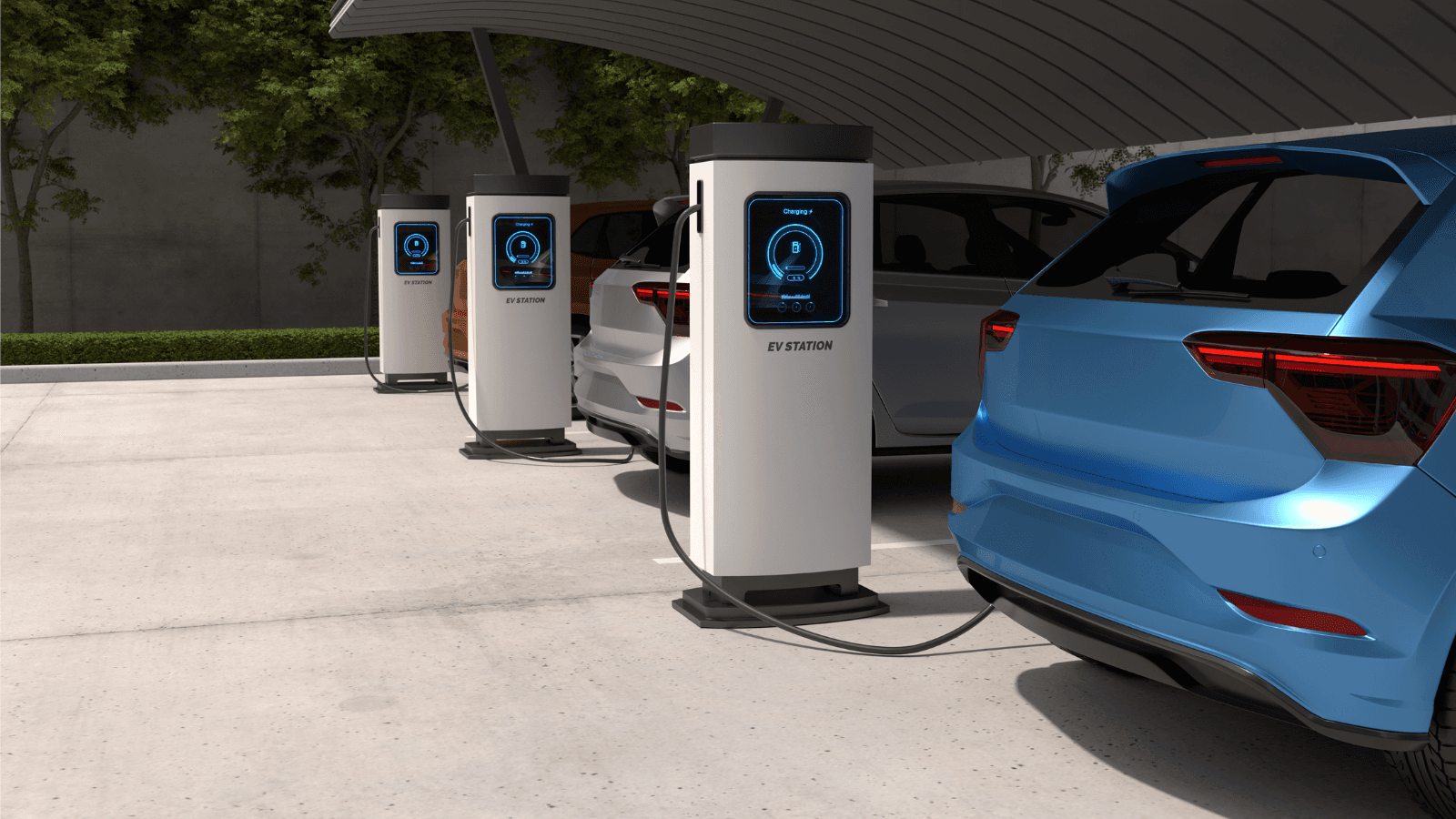
In a landmark announcement, the U.S. Environmental Protection Agency (EPA) revealed remarkable progress in reducing vehicle emissions, with electric vehicles (EVs) and plug-in hybrid electric vehicles (PHEVs) playing a pivotal role in transforming the automotive landscape in 2023.
The EPA’s 50th Annual Automotive Trends Report spotlights notable achievements that display a shift towards more sustainable transportation, where new vehicle emissions have plummeted to a historic low of 319 grams of CO2 per mile. As a result, this marks an 18-gram reduction from the previous model year.
Notably, this achievement is particularly significant given that transportation remains the highest contributor to greenhouse gas emissions in the United States (U.S.).
Milestone of Innovation and EV Adoption
The report demonstrates the powerful impact of EV adoption. In 2023, automakers sold a record 1.1 million EVs and PHEVs, contributing to a remarkable 11% reduction in CO2 emissions. Without these electrified vehicles, emissions would have remained substantially higher, estimated at 357 grams per mile, and fuel efficiency would have stagnated at 24.9 miles per gallon.
Fleetwide fuel economy has reached an unprecedented 27.1 miles per gallon, a 1.2-mile improvement from the previous year. This progress represents a dramatic transformation from 1975 when vehicles averaged just 13.1 miles per gallon.
Industry Leaders and Laggards
The automotive landscape shows a clear divide in emissions reduction efforts. Tesla continues to lead the, fuel economy charts for the sixth consecutive year, unsurprisingly given its all-electric lineup. In contrast, Stellantis has consistently been identified as the manufacturer with the highest emissions since 2015.
Some manufacturers have made significant strides in reducing their environmental footprint. Mercedes-Benz, BMW, Kia, and Nissan demonstrated the most substantial year-over-year emissions reductions. Interestingly, SUVs have emerged as an unexpected environmental champion, now containing the lowest average new-vehicle CO2 emissions, with 36% of 2023 model SUVs being electric.
A Broader Impact on Public Health
EPA Administrator Michael S. Regan emphasized that these advances are not just about environmental sustainability but also public health. Vehicle emissions have historically been linked to respiratory illnesses and lung diseases. The EPA notes that vehicles today are around 99% cleaner for common pollutants compared to 1975, potentially reducing health risks such as asthma, heart problems, and even cancer.
The Road Ahead for Clean Transportation
Furthermore, the trend towards electrification in the automotive landscape is accelerating. EVs, PHEVs, and fuel cell vehicles (FCVs) increased from 6.7% of production in 2022 to 11.5% in 2023, with projections suggesting they’ll reach 14.8% in 2024.
While significant progress has been made, the report also serves as a reminder that passenger cars and light trucks still account for nearly 17% of total U.S. greenhouse gas emissions in 2022.
Read More: Study Reveals Large-Scale EV Adoption Could Save Up To $188 Billion In Health Costs By 2050
The EPA’s report is more than a statistical summary as it demonstrates the potential of technological innovation, regulatory frameworks, and consumer choices in combating climate change through EV adoption. As the automotive industry sees more EVs entering the market, the role of EVs in reducing emissions and improving air quality becomes increasingly critical.
Want to learn more about EV? Thinking of buying an EV? Head over to EV.com discover more.
Comments
Categories
Related news

Subscribe for EV News and Reviews

AI Employee for Car Dealerships
Results in 30 days - Or We'll Give You Your Money Back