Chinese Automakers Embrace AI: DeepSeek Integration Accelerates Smart EV Evolution
Geely, Voyah, And Other Major Chinese Brands Are Leveraging DeepSeek AI To Enhance Voice Interaction, Driver Assistance, And Vehicle Intelligence
In a significant shift toward AI-powered mobility, multiple Chinese automakers are rapidly incorporating DeepSeek, China’s emerging AI powerhouse, into their electric vehicle (EV) platforms. This effect marks a new phase in the evolution of EVs, transitioning from purely software-driven systems to comprehensive AI integration.
Geely’s AI-Powered EV Strategy
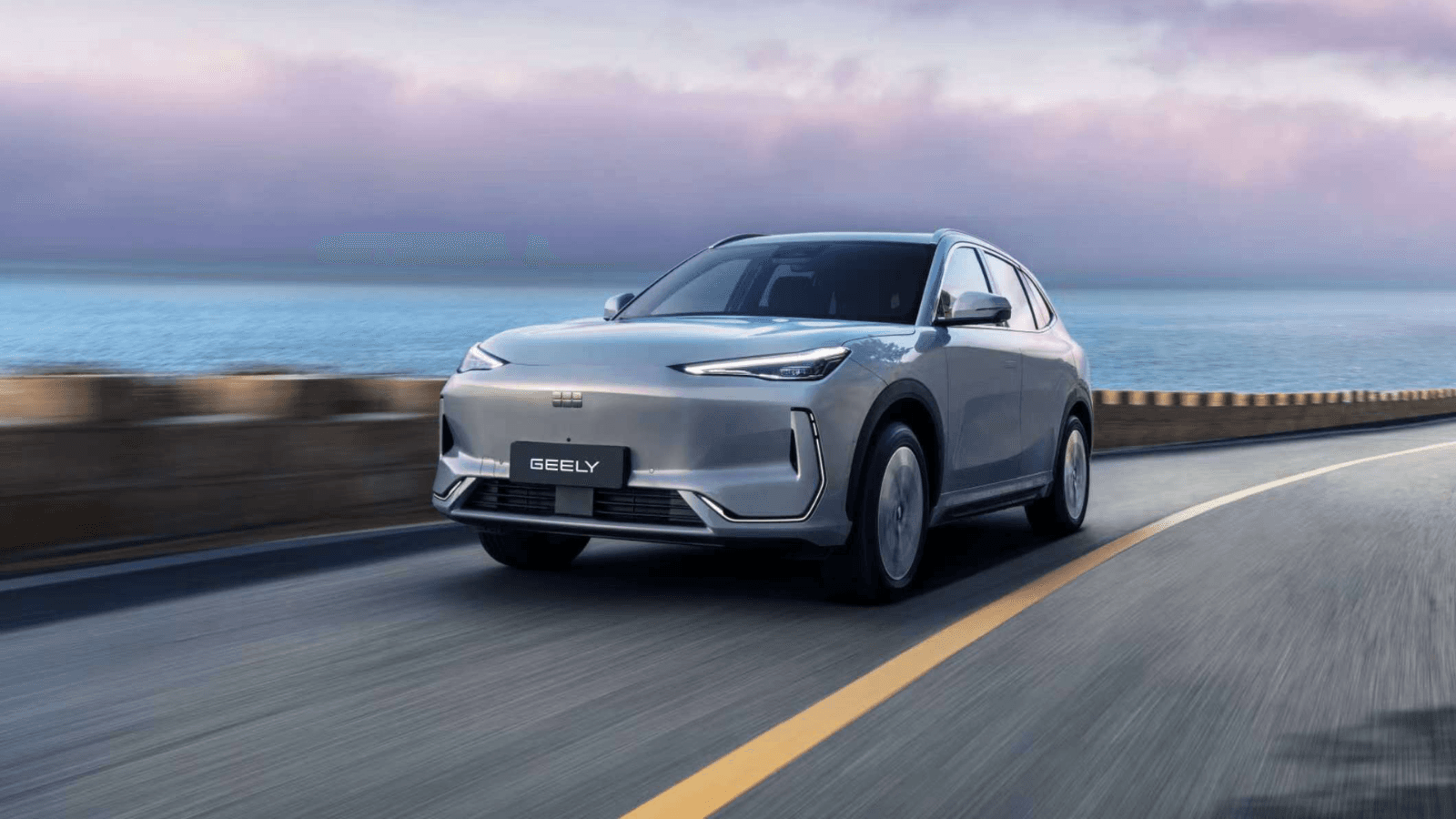
Geely, the parent company of international brands like Volvo, Polestar, and Zeekr, has announced a partnership to integrate DeepSeek’s R1 language model with its proprietary Xingrui AI system. This collaboration is part of Geely’s broader “Smart Geely 2025” strategy, which aims to develop what the company calls “Full-Domain AI for Smart Vehicles.” The integration process involves distillation training, where DeepSeek’s more advanced AI model helps refine and improve Geely’s smaller, vehicle-specific AI systems.
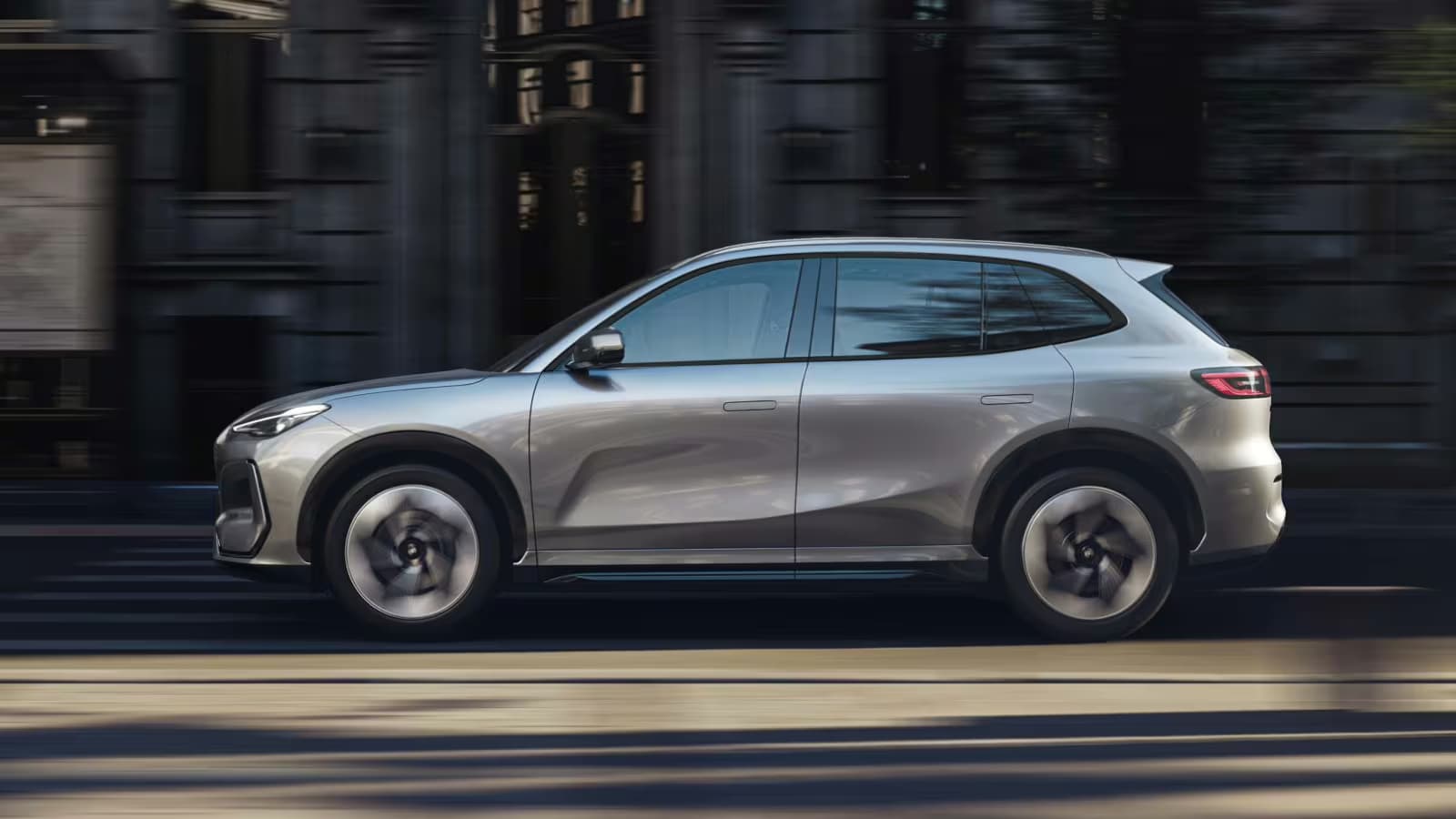
Dongfeng’s luxury electric brand Voyah is taking an even bolder step, becoming the first manufacturer to implement DeepSeek in production vehicles. The company’s Courage EV crossover and Dream MPV will receive DeepSeek integration through an over-the-air update scheduled for February 14th. This update promises to enhance the vehicles’ AI responsiveness, accuracy, and expandability within their existing smart cockpit systems.
China’s EVs Become Smarter
The rapid adoption of DeepSeek by Chinese automakers reflects a broader trend in China’s automotive industry, where manufacturers are increasingly focusing on the integration of intelligence and electrification. As Pan Jian, co-chairman of CATL, explained at the World Economic Forum in Davos, China’s EV industry is evolving from ‘EV’ to ‘IEV’ (intelligent electric vehicle), with electrical systems enabling advanced features impossible in traditional vehicles.
However, this AI integration strategy may present challenges for global expansion. DeepSeek has attracted scrutiny from Silicon Valley and the United States (U.S.) government, with some analysts suggesting potential future restrictions on the technology. This situation could particularly affect companies like Geely, which maintains a significant international presence through its Volvo and Polestar brands in the U.S. market.
The integration of DeepSeek AI is expected to enhance several key vehicle functions, including more natural voice interactions, improved multi-round conversations, better driver intention recognition, and faster development iterations. Other major Chinese automakers, including Changan, Leapmotor, GAC, and Great Wall Motor, have also announced plans to integrate DeepSeek into their vehicles, suggesting this trend will continue to accelerate across China’s automotive sector.
China’s AI-Driven Auto Industry
As He Xiaopeng, CEO of Xpeng, notes, “In the next decade, AI will drive changes in the automobile industry that far exceed electrification.” This sentiment appears to be shared across China’s automotive industry, as manufacturers position themselves at the forefront of AI-driven vehicle development, despite potential international market complications.
This rapid adoption of AI technology in China’s automotive sector demonstrates the country’s unified approach to technological advancement, where tech companies and automakers collaborate more closely than their Western counterparts. As a result, this suggests a potentially diverging path in global automotive technology, with Chinese manufacturers pursuing aggressive AI integration while navigating international market challenges.
Want to learn more about EV? Thinking of buying an EV? Head over to EV.com and discover more.
Comments
Categories
Related news

Subscribe for EV News and Reviews

AI Employee for Car Dealerships
Results in 30 days - Or We'll Give You Your Money Back