China and EU Agree on Price Undertakings to Ease Chinese EV Tariffs
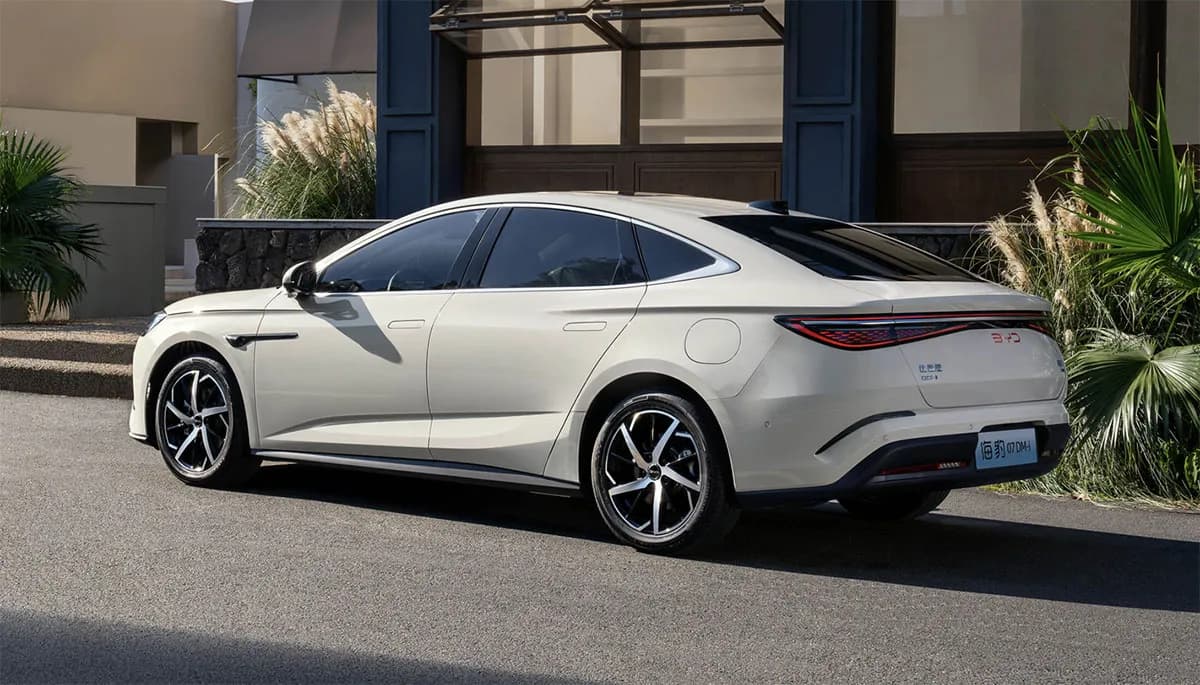
China and the European Union have reached a breakthrough agreement on price undertakings for Chinese electric vehicle exports, opening a potential path to ease punitive tariffs and stabilize cross-border EV trade.
The consensus signals a shift toward negotiation over escalation, as both sides seek a WTO-compliant framework to manage Chinese passenger BEV shipments into the EU.
Price undertakings emerge as alternative to tariffs
According to China’s Ministry of Commerce, Beijing and Brussels agreed it is necessary to provide general guidance on price undertakings for Chinese exporters selling passenger battery-electric vehicles into the EU. The goal is to address the EU’s market-distortion concerns in a more pragmatic and targeted way while remaining aligned with World Trade Organization rules.
As part of the agreement, the European Union will issue a formal guidance document outlining how price-undertaking offers should be submitted and evaluated. Each proposal will be assessed using the same legal criteria and under a non-discrimination principle, a move aimed at ensuring predictability for automakers navigating the EU market, according to CNEV Post.
Officials on both sides framed the deal as evidence that China and the EU can resolve disputes through dialogue rather than prolonged trade confrontation, reinforcing the rules-based international trading system.
Background: anti-subsidy probe and EV tariff fallout
The consensus follows years of tension stemming from the EU’s anti-subsidy investigation into Chinese EV imports, launched by the European Commission in October 2023. The probe concluded in late 2025 with Brussels imposing additional tariffs for five years, layered on top of the EU’s standard 10% import duty.
Those extra duties vary by manufacturer. Tesla faces an added 7.8% tariff on China-built EVs shipped to Europe, while BYD is subject to 17.0%. Nio and XPeng both face 20.7%, underscoring the uneven impact across brands.
The China Chamber of Commerce to the European Union welcomed the agreement as a “soft landing,” saying it should restore confidence and create a more stable environment for Chinese EV companies investing and operating in Europe. The group reiterated that China’s EV competitiveness is driven by technology, scale, and cost efficiency rather than subsidies.
If implemented smoothly, the price-undertaking framework could ease trade friction, reduce uncertainty for automakers, and reshape how Chinese EVs access one of the world’s most important electric vehicle markets.
EV.com tracks the evolving EV collector space and performance electric vehicles hitting the market. Explore our listings to find the best EVs in your area available today.
Comments
Categories
Related news
Subscribe for EV News and Reviews

AI Employee for Car Dealerships
Results in 30 days - Or We'll Give You Your Money Back