Chevy Bolt Defeats Nissan Leaf in Major EV Comparison Test
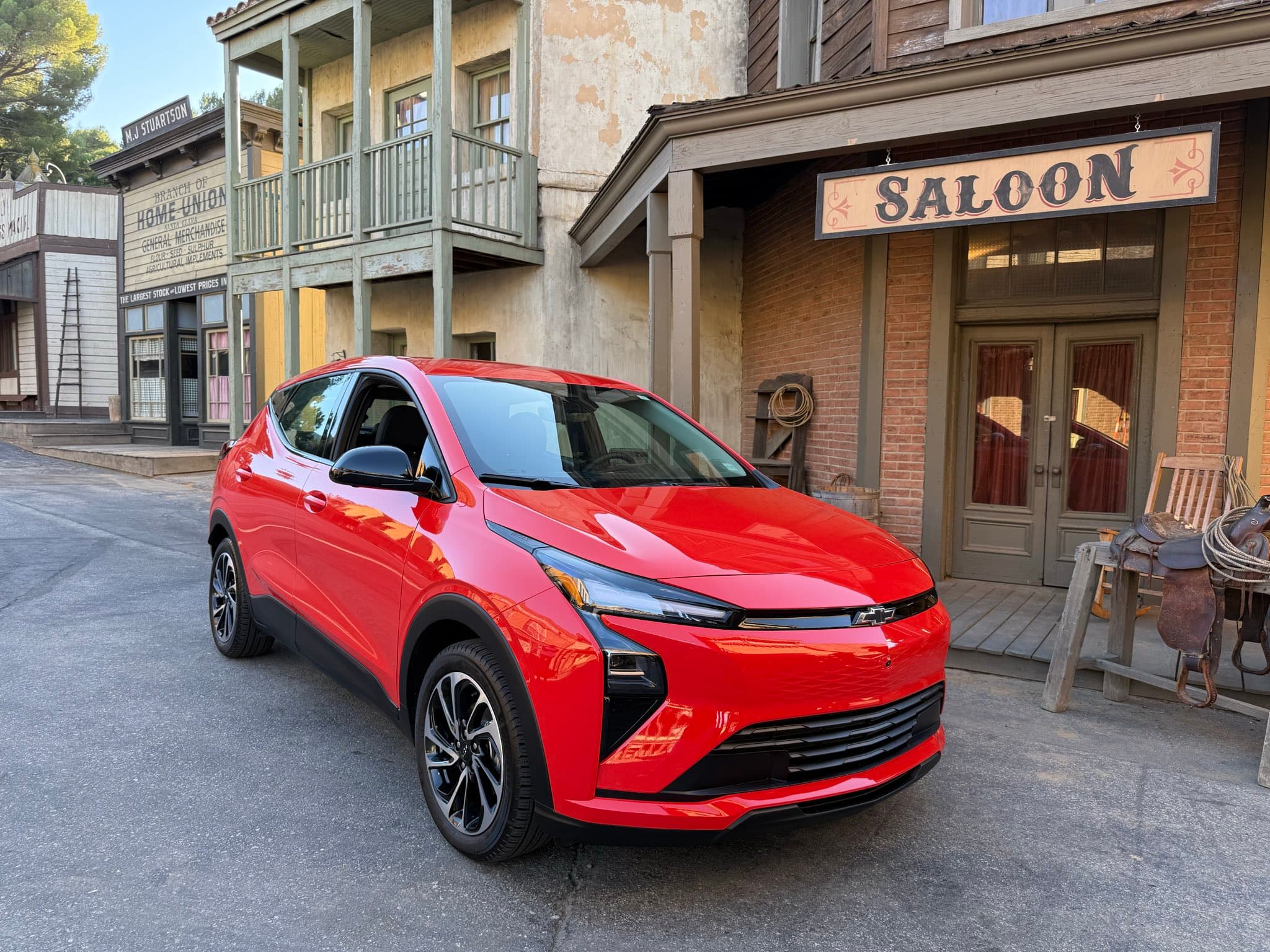
The redesigned Chevrolet Bolt has claimed a notable victory over one of its longest-standing rivals, with a recent head-to-head comparison naming the EV as the stronger overall choice for budget-conscious electric vehicle shoppers.
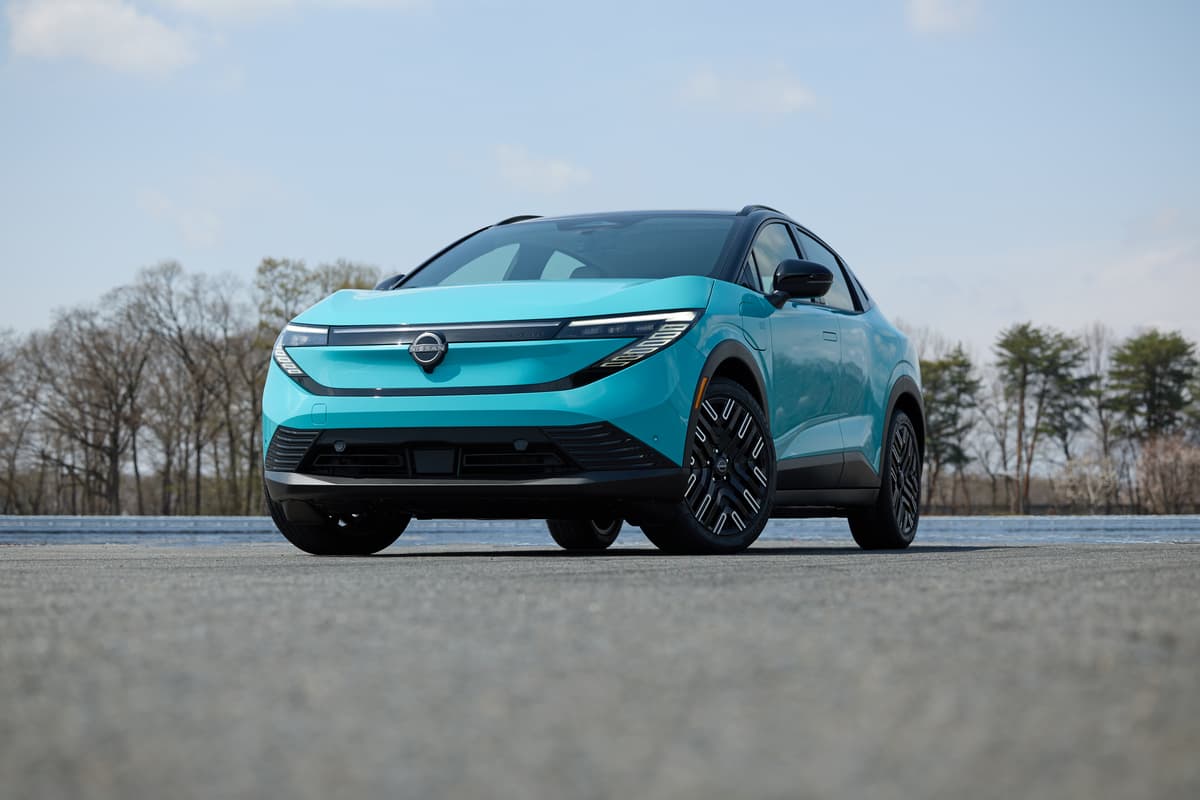
In testing conducted by Car and Driver, the 2027 Chevy Bolt RS outperformed the 2026 Nissan Leaf Platinum+ across several key categories, including performance, driving dynamics, technology, and overall usability.
Chevy Bolt gains edge in performance and everyday usability
The comparison paired two electric hatchbacks aimed at buyers seeking an EV priced below $40,000. While the newly redesigned Nissan Leaf earned praise for its sleek styling and more premium interior presentation, reviewers found the Bolt offered a better balance of practicality and driver-focused features.
Inside the cabin, the Leaf impressed with its modern dashboard design, floating center console, and upscale materials. However, the Bolt scored points for its straightforward layout, abundant storage solutions, and physical climate controls, a feature many drivers continue to prefer over touchscreen-only interfaces, according to GM Authority.
Cargo capacity slightly favored the Nissan, which offers 20 cubic feet of storage behind the second row compared to 16 cubic feet in the Bolt. With the rear seats folded, however, both vehicles provide nearly identical cargo space at roughly 56 cubic feet.
Performance proved to be one of the Bolt’s strongest advantages. Although the Leaf generates 214 horsepower and 261 pound-feet of torque from its 75-kWh battery pack, the lighter Bolt managed to outperform its rival in acceleration testing. Equipped with a 65-kWh battery and 210 horsepower, the Chevrolet delivered quicker 0-to-60 mph times, faster passing performance, and a better quarter-mile result.
Technology and driving dynamics help secure the win
The Nissan Leaf demonstrated an advantage in highway efficiency, traveling 250 miles during 75-mph range testing compared to 230 miles for the Bolt. Both vehicles support DC fast charging at up to 150 kW, leaving little separation in charging performance.
The decisive differences emerged behind the wheel. Reviewers praised the Bolt’s braking feel, handling characteristics, and overall driving engagement. The Leaf was described as comfortable and capable but suffered from increased tire noise and less confidence-inspiring brake pedal feel.
Technology also played a significant role in the final rankings. Chevrolet’s available Super Cruise hands-free driver assistance system was viewed as more advanced than Nissan’s ProPilot Assist suite, giving the Bolt another important advantage in a highly competitive segment.
Taken together, the comparison concluded that the Chevrolet Bolt delivers a more complete package by combining strong performance, practical design, engaging driving dynamics, and advanced technology at an accessible price point.
EV.com tracks the evolving EV collector space and performance electric vehicles hitting the market. Explore our listings to find the best EVs in your area available today.
Comments
Categories
Related news

Subscribe for EV News and Reviews

AI Employee for Car Dealerships
Results in 30 days - Or We'll Give You Your Money Back