Charging an EV From Solar: Is It Viable?
Can solar panels really power your EV efficiently? We break down the costs, benefits, and limitations.
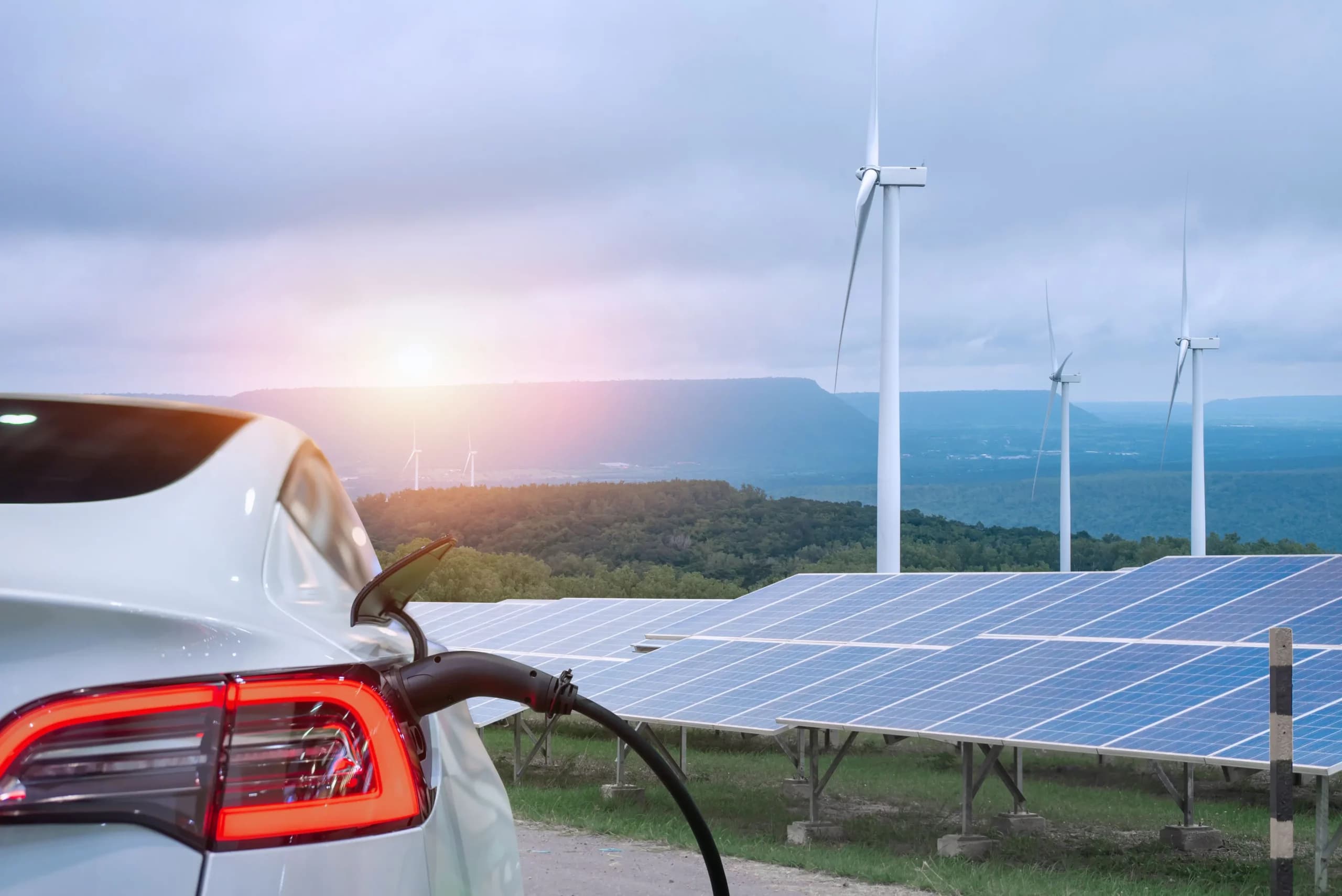
As charging technologies continue to advance, we’re getting closer to the point where powering up an EV takes nearly as little time as filling a traditional gas tank. Yet, for some drivers, the future has already arrived: imagine an electric car that recharges simply while you’re driving or even while it’s parked under the sun. This vision becomes possible thanks to solar panels integrated into the vehicle’s roof. But how practical and effective are these systems in real-world use? Let’s take a closer look.
Quick Look at the Technology
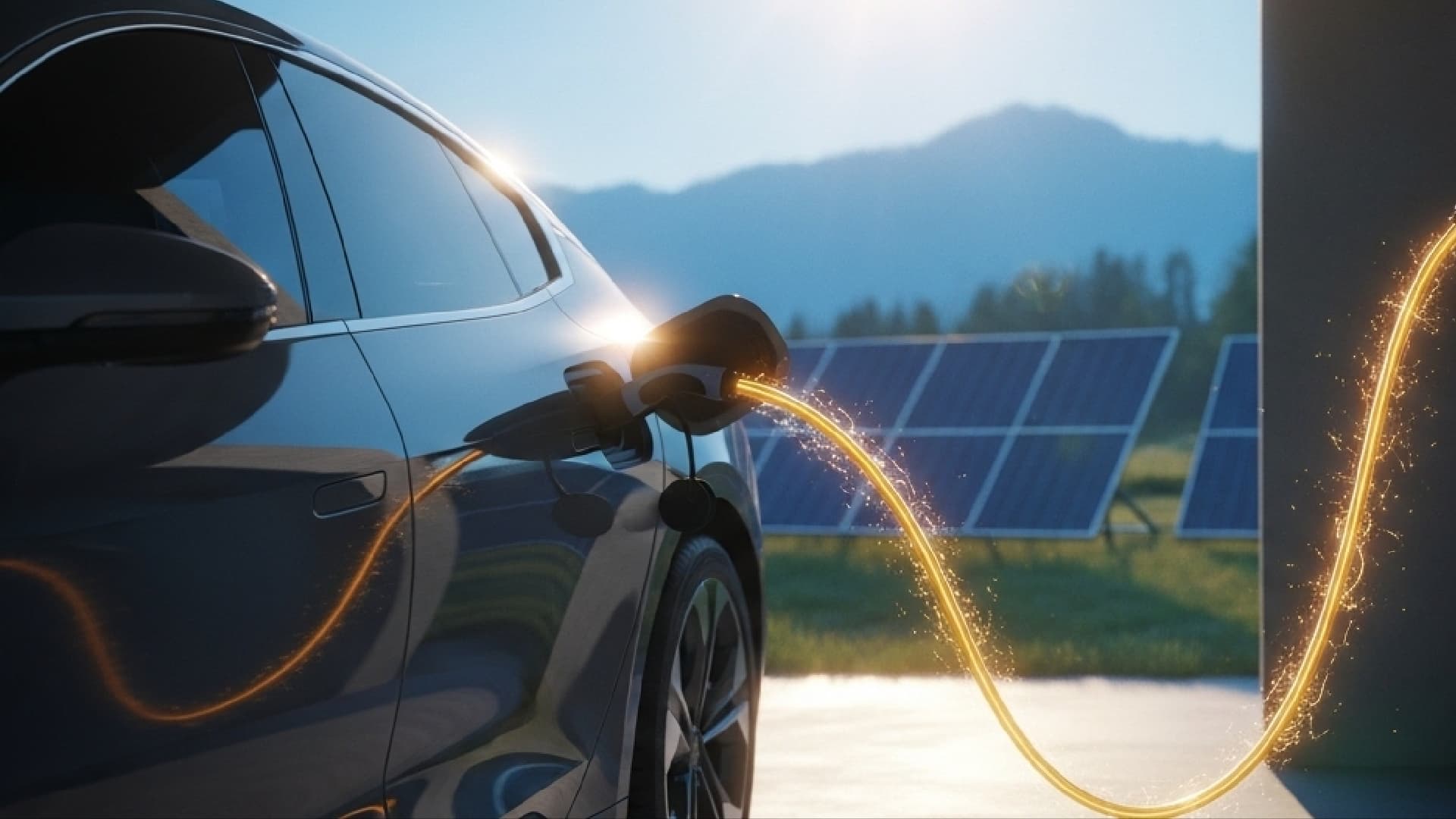
At its core, charging an EV with solar energy is straightforward: solar panels, usually placed on your roof, absorb sunlight and convert it into electricity through photovoltaic (PV) cells. That clean power can then be used to run your household appliances or feed directly into your EV charger. If your system generates more than you need, like on bright summer afternoons, you can either use it right away, store it in a home battery for later, or export it back to the grid for credit.
Pairing solar with an EV charger makes it possible to channel sunshine straight into your car, cutting your reliance on fossil fuels and lowering your carbon footprint. The setup does require planning, though. Working with experienced Teaslec EV Charger Installers can simplify this process, ensuring your home’s electrical infrastructure is correctly rated for your new vehicle while maximizing your solar energy usage.
Charging speed also depends on the type of station you install. A basic Level 1 charger uses a standard 120-volt outlet but is very slow, often taking more than a full day to top up a battery. Level 2 stations, connected to a 240-volt outlet, charge much faster and are the most common home solution, while Level 3 DC fast chargers, capable of delivering up to 80% charge in about 30 minutes, are rarely installed in homes due to their cost and power requirements.
Even with these limitations, using solar power to charge your EV remains the most sustainable approach available today. It allows you to maximize renewable energy, reduce long-term costs, and drive with confidence knowing you’re fueling your car directly from the sun.
Solar Charging Potential: What Can You Really Expect?
The idea of running your EV purely on sunshine is exciting, but the reality is more complex. Solar energy is abundant, yet by the time it reaches us at ground level, much of its raw power has been lost. Even the best solar panels today can only convert about 22% of that sunlight into usable electricity, meaning efficiency is the first big hurdle.
For context, a standard EV with a 300-mile range would need around seven to twelve full-size solar panels just to generate enough energy for charging. Since a typical car roof only has room for a handful of panels, the power generated directly from onboard solar cells is minimal, usually enough to run a light bulb, not move a car. In fact, most cars with built-in solar panels only add a couple of miles of range per hour of charging in perfect conditions. That translates into 80–90 hours of direct sunlight to fully charge a long-range EV: something far from practical in day-to-day life.
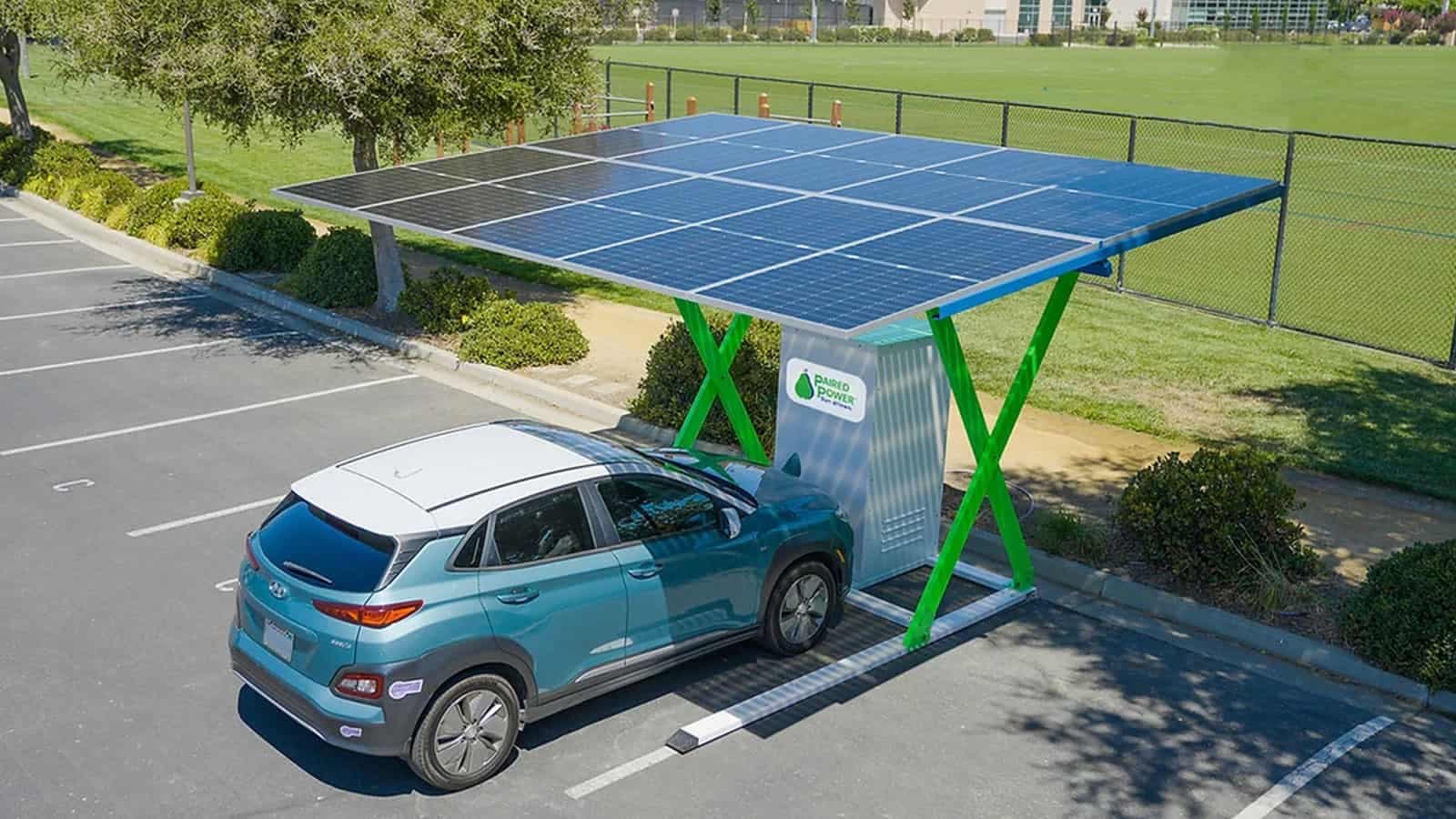
This is why most solar-powered cars today are limited to lightweight microcars or experimental vehicles like the Lightyear 0 or Squad Mobility’s compact EV, which can squeeze out up to 18 miles of range per day thanks to their low weight and speed. For mainstream EVs, solar panels make more sense when installed at home or at solar-powered charging stations. A home setup of 6–12 panels can comfortably cover household needs while also charging an EV, especially when paired with a battery storage system.
Portable solar solutions are another option. With the help of a power station like the DELTA Pro, drivers can collect solar energy on the go, store it, and use it later to top up their EV: essentially the renewable version of carrying a jerrycan. However, these systems are still supplementary and not a primary charging solution.
In short, while the dream of fully solar-powered EVs isn’t practical yet for most drivers, solar energy is already playing an important role. By charging your EV at home with rooftop solar or tapping into renewable-powered stations, you can significantly cut costs and emissions. As panel technology improves, the gap between dream and reality will continue to shrink, bringing us closer to truly driving on sunshine.
Electric Cars Equipped with Solar Panels
Now, let’s explore which electric vehicles have already embraced solar roof technology. While this feature is still in its early stages, a few automakers are testing it as a way to capture extra energy from the sun. These solar panels won’t fully replace traditional charging, but they can help extend range, support onboard systems, and make everyday driving a bit more sustainable. By looking at the EVs that already feature this innovation, we can get a glimpse of how manufacturers are beginning to bring solar power from concept to reality.
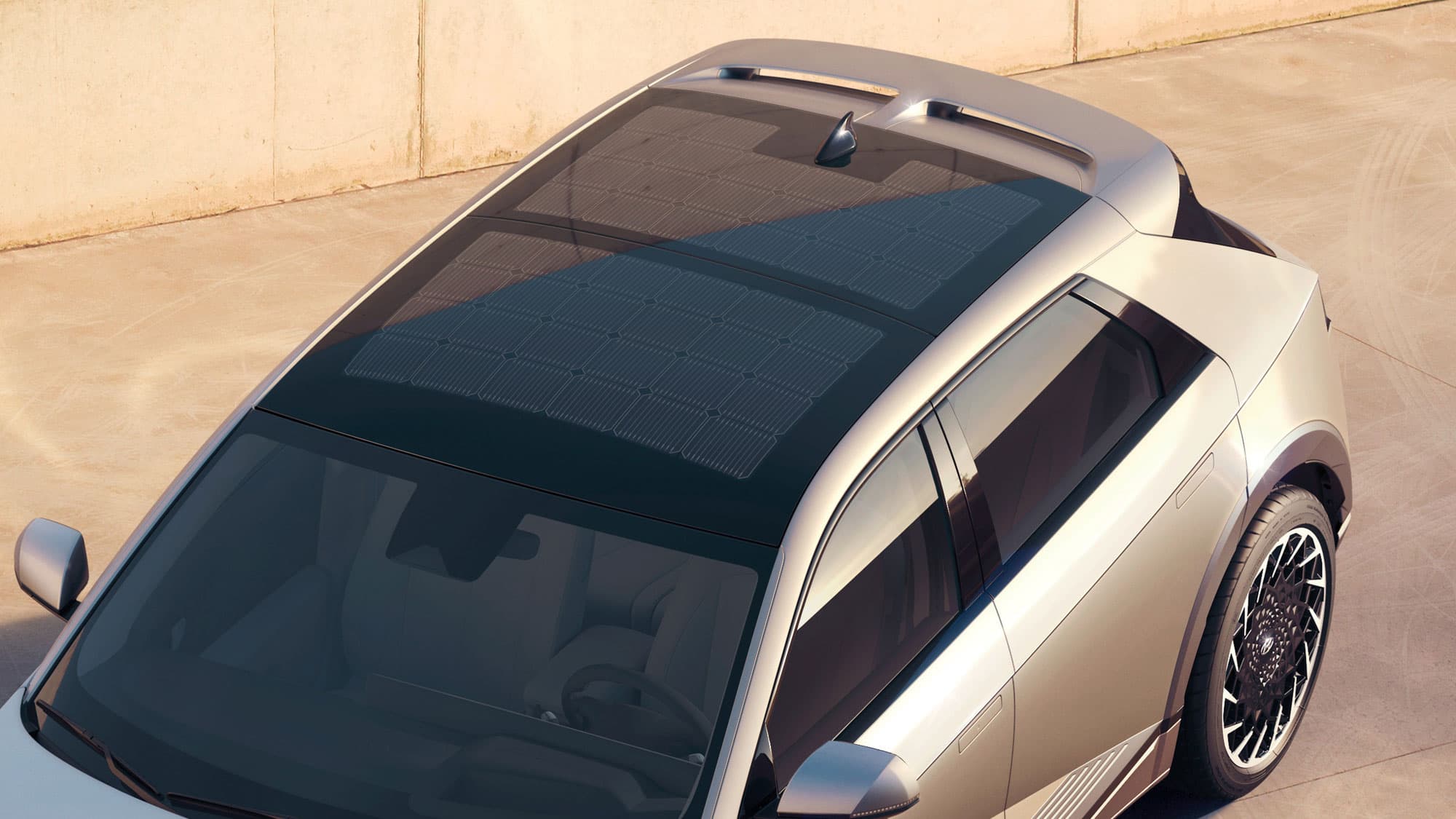
Hyundai Ioniq 5
The Hyundai Ioniq 5 is the first fully electric car on our list to feature an available solar roof. In select markets, buyers can opt for this system, which highlights Hyundai’s forward-looking approach to sustainable mobility. The solar panels aren’t designed to replace charging altogether, but they can add up to three miles of range per day, reduce the need for frequent plug-ins, and even prevent the 12V batteries from discharging. Beyond the practical benefits, the Ioniq 5 integrates its solar roof seamlessly into the design, maintaining the car’s sleek, modern aesthetic without compromise. By combining style, efficiency, and innovation, the Ioniq 5 shows how solar technology can enhance the EV experience while underlining Hyundai’s commitment to clean, future-ready driving.
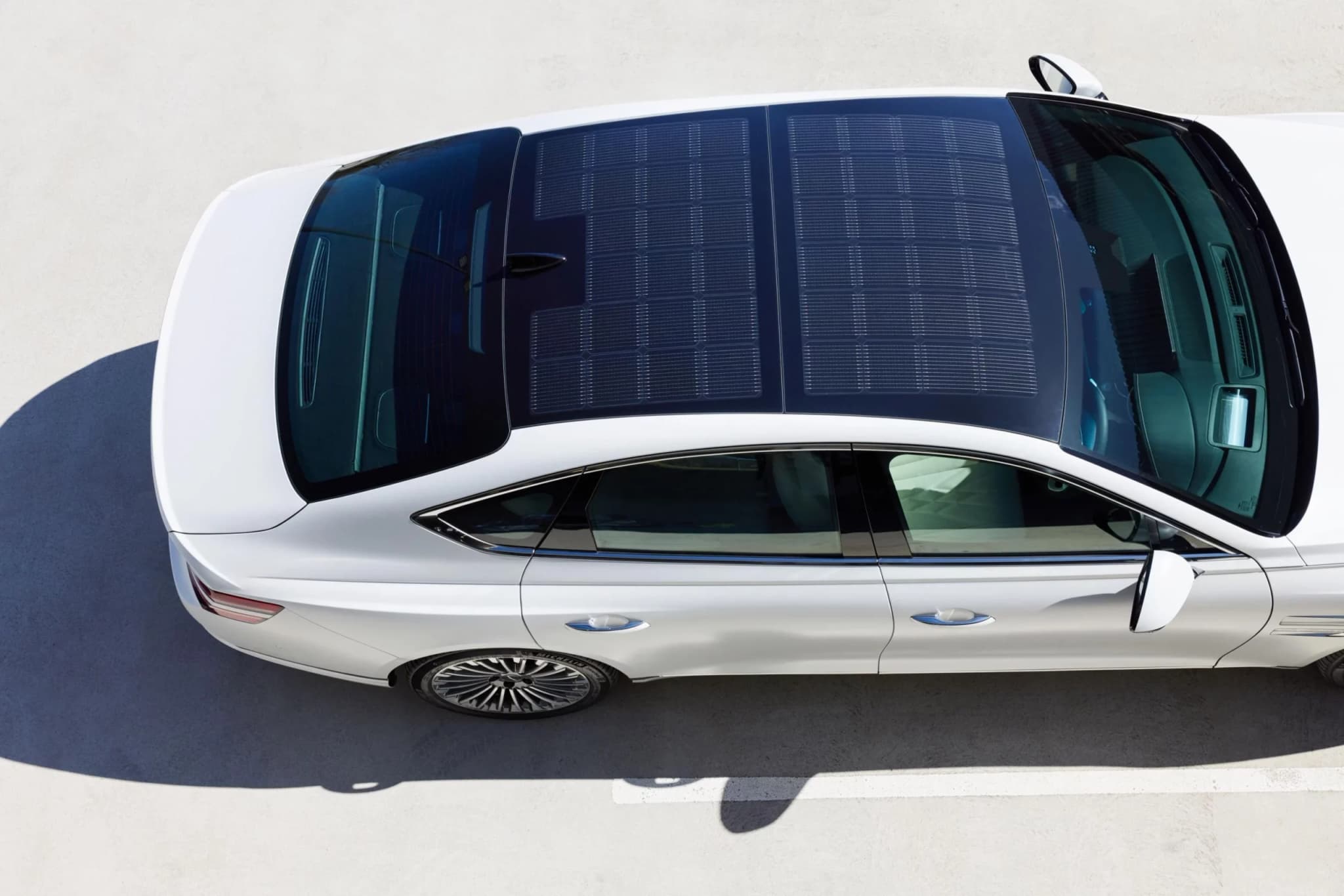
Genesis Electrified G80
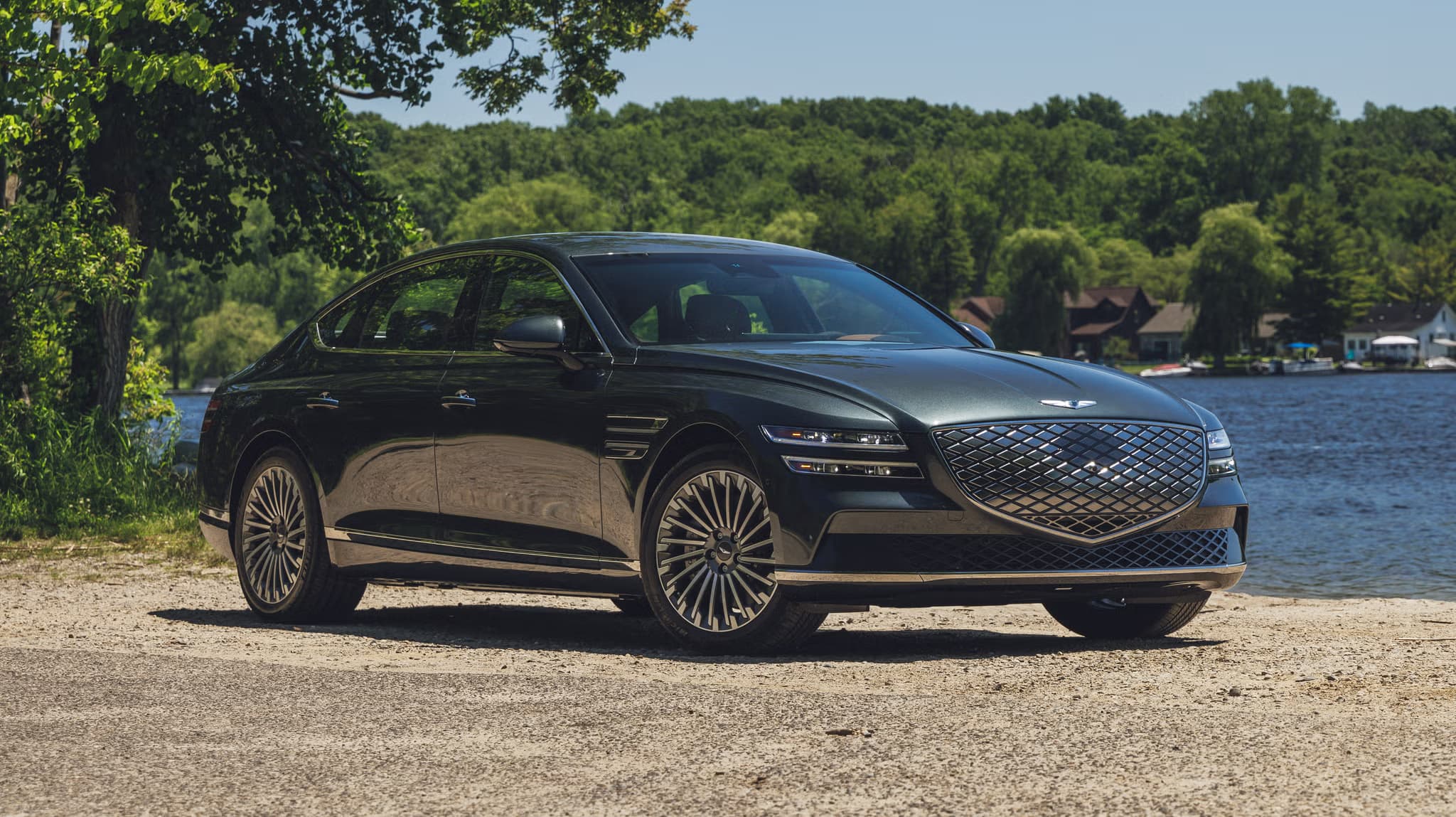
The Genesis Electrified G80 takes solar integration a step further with its available solar roof, which features high-efficiency panels built seamlessly into the vehicle’s design. Capable of generating up to 200W of power, this system can add an estimated 715 miles of driving range per year, particularly useful for those who mainly cover short daily commutes. What makes it appealing is the fact that the solar panels work continuously, whether the car is parked at the office, sitting at home, or out on the road, providing a steady trickle of energy without relying on a charging station.
Of course, the solar roof isn’t designed to replace traditional charging entirely, since 715 miles annually translates to only about two miles per day. Still, as a supplementary energy source, it helps keep the battery topped up, reduces the need for frequent plug-ins, and enhances the overall efficiency of the G80. It’s a smart balance between practicality and innovation, offering drivers a taste of solar-powered mobility without compromising convenience.
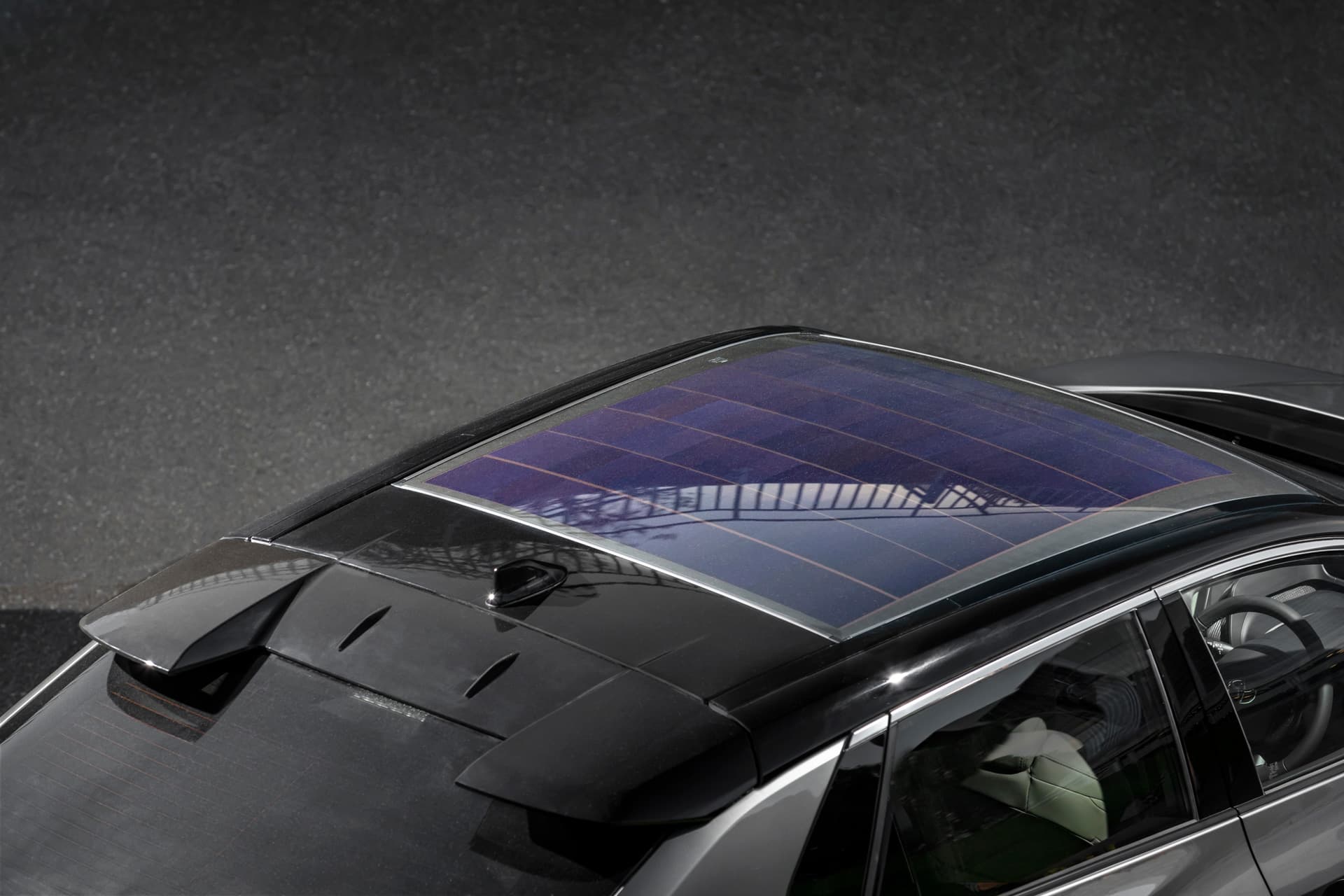
Toyota bZ4X
The Toyota bZ4X, one of the key players in Toyota’s electric lineup, also offers the option of a solar roof. This system can generate enough energy to add up to 1,000 miles of driving range each year, making it one of the more ambitious solar integrations available today. It’s worth noting, however, that the feature isn’t standard—it’s reserved for select trims. The solar roof primarily serves as a supplemental power source, with the actual benefit depending heavily on driving conditions and sunlight exposure.
Beyond its solar capability, the bZ4X incorporates clever engineering to extend the life of its 71.4 kWh battery. A water-cooling system helps regulate temperature, preventing the kind of heat-related wear that often leads to expensive issues over time. Taken together, the solar roof and advanced battery management make the bZ4X a forward-thinking EV designed to balance everyday practicality with long-term durability.
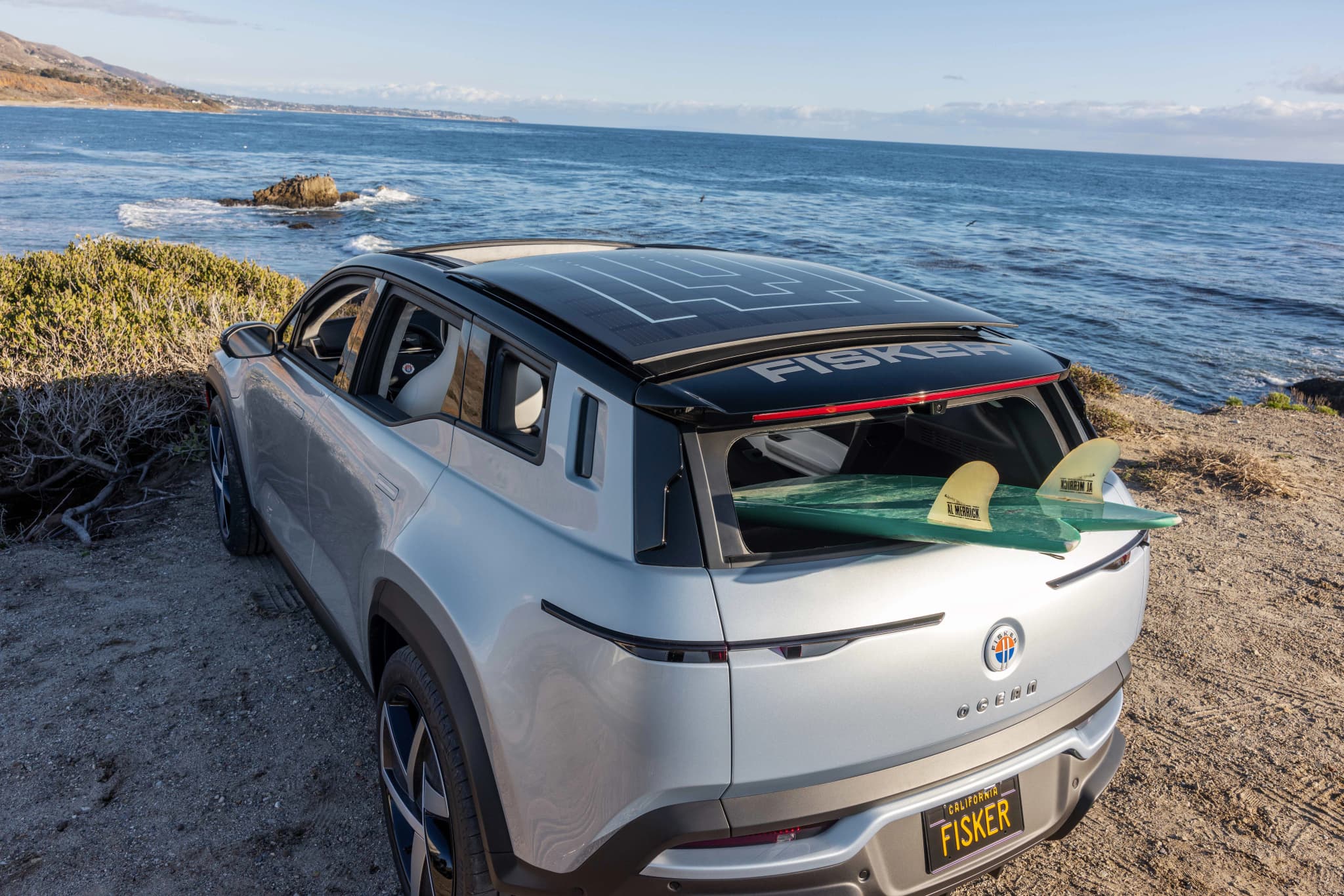
Fisker Ocean
Among today’s EVs, few showcase solar integration as boldly as the Fisker Ocean. Its available solar roof can generate up to 1,500 miles of additional range per year under ideal conditions, reducing the need for frequent plug-in charging and boosting overall eco-friendliness. This feature positions the Ocean not only as a stylish and modern electric SUV but also as a leader in sustainable performance.
By incorporating solar panels into its design, Fisker responds directly to growing consumer demand for greener, more efficient technologies. The result is a vehicle that demonstrates how solar-powered enhancements can move from futuristic concepts into practical, everyday driving. In many ways, the Ocean represents a significant step forward in normalizing solar integration within the EV market.
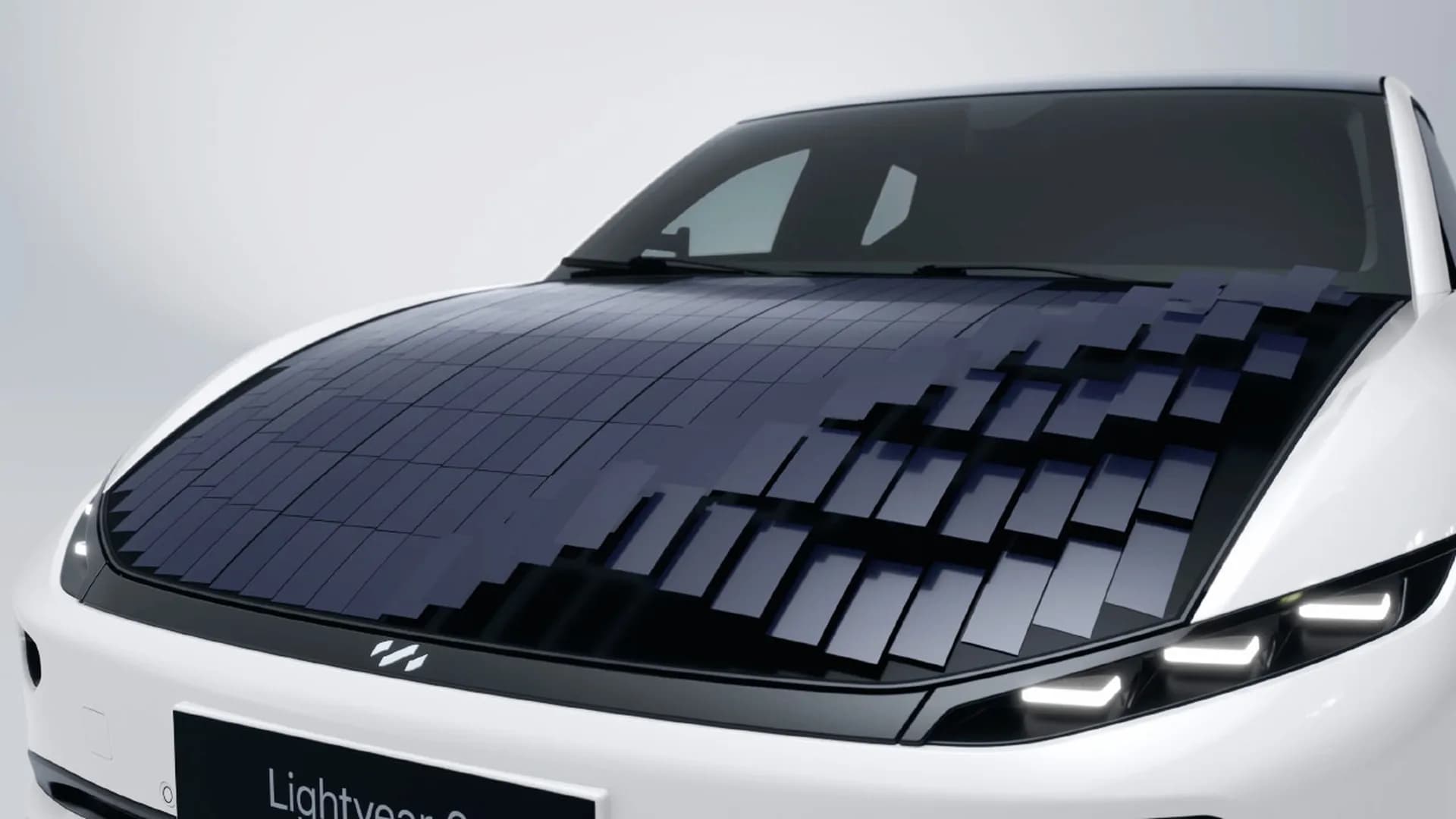
Lightyear 0
One of the most ambitious solar-powered EVs ever built, this model features solar panels that cover the entire top of the body, capable of adding up to 43 miles of range per day in optimal sunlight. With a system output of up to 1.05 kW, it was designed to significantly reduce reliance on external charging, allowing the car to recharge itself on sunny days.
By pushing the boundaries of solar integration, it set a bold benchmark for the automotive industry and inspired further adoption of renewable energy in vehicles. However, the innovation came at a steep cost: high pricing and financial challenges led to production being halted in early 2023. Despite these obstacles, it remains a landmark example of how solar technology can enhance EV design and capability.
EV.com Insight
Electric vehicles are already transforming the way we drive, and integrating solar technology is taking this transformation a step further. From modest solar roof panels that add a few miles of range to full-body solar arrays capable of powering daily commutes, the potential of solar-charged EVs is becoming increasingly tangible. While current limitations, such as efficiency, panel size, and cost, mean solar power alone can’t replace conventional charging just yet, it offers a valuable supplement that reduces reliance on the grid and promotes greener driving.
That said, a few EVs on the market already come equipped with this technology. Looking to get one? You’re in the right spot: in our Search section, we’ve gathered the best EV deals nationwide, exclusively from certified dealers. The future is arriving not just in vehicle technology, but also in the way we buy electric cars.
Comments
Categories
Subscribe for EV News and Reviews

AI Employee for Car Dealerships
Results in 30 days - Or We'll Give You Your Money Back