Canada Considers Limits on Tesla and BYD Under New EV Quota System
The policy, which took effect in March, allows eligible imports at a 6.1 percent tariff rate and opens the door for both Chinese and global EV makers to expand sales in Canada.
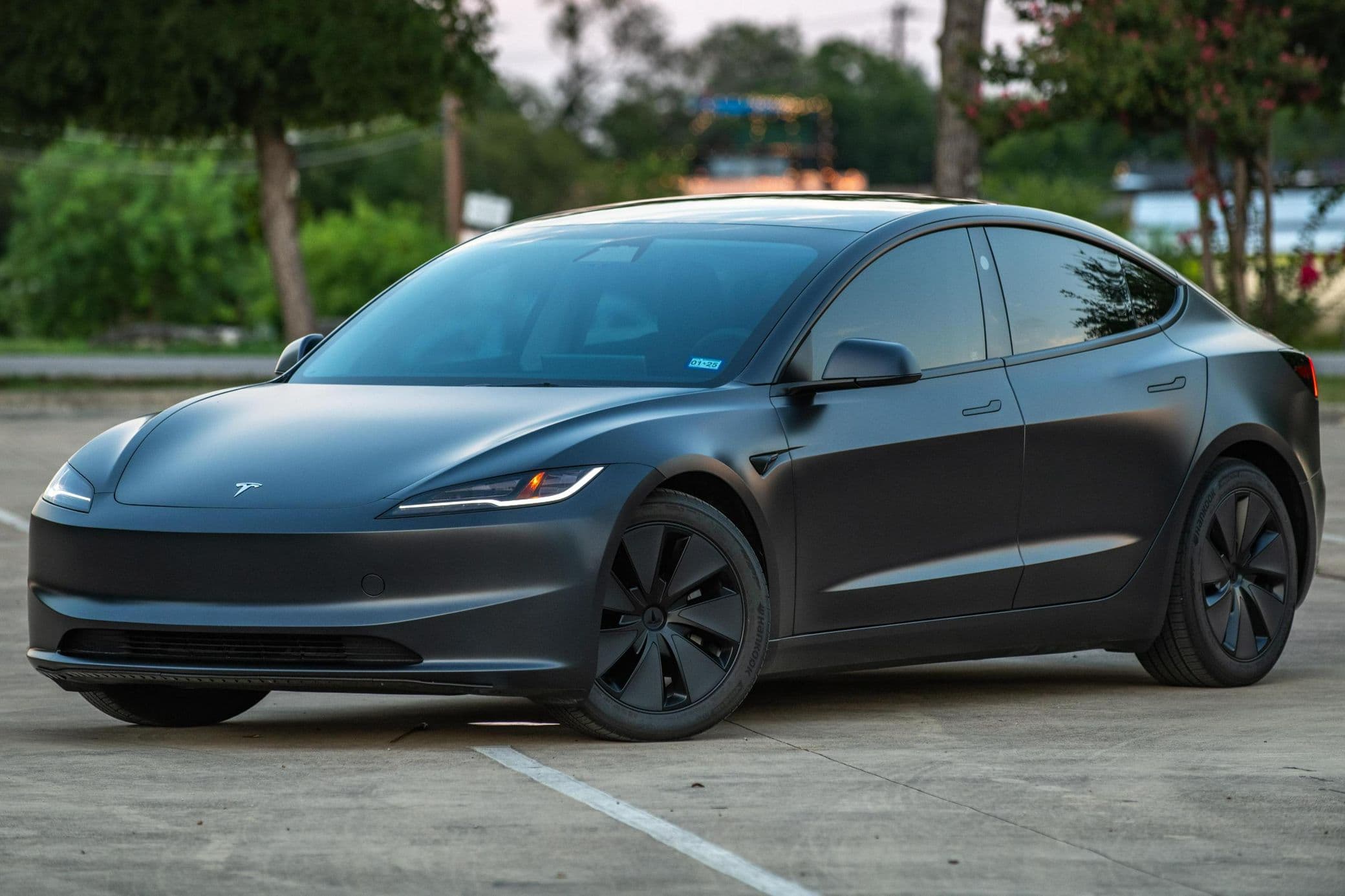
Canada is weighing whether to impose company-specific limits within a new 49,000 vehicle low tariff quota for China-made electric vehicles, as officials seek to prevent any single automaker from dominating the market.
The policy, which took effect in March, allows eligible imports at a 6.1 percent tariff rate and opens the door for both Chinese and global EV makers to expand sales in Canada.
Canada considers automaker-specific caps within EV import quota
The Canadian government is finalizing how to allocate the annual quota of 49,000 China-made EVs, which represents less than 3 percent of the country’s overall auto market. Officials are debating whether to assign internal limits to individual automakers, according to a Bloomberg report, to “ensure that no single player dominates the market.”
The agreement was reached in January during Prime Minister Mark Carney’s visit to China, according to CNEV Post. Under the policy, qualifying vehicles benefit from a 6.1 percent most-favored-nation tariff, avoiding prior tariffs of up to 106.1 percent.
The system is already in place, with an initial batch of 24,500 import permits issued on a first-come, first-served basis through August. However, none of the quota has been used so far, according to the report.
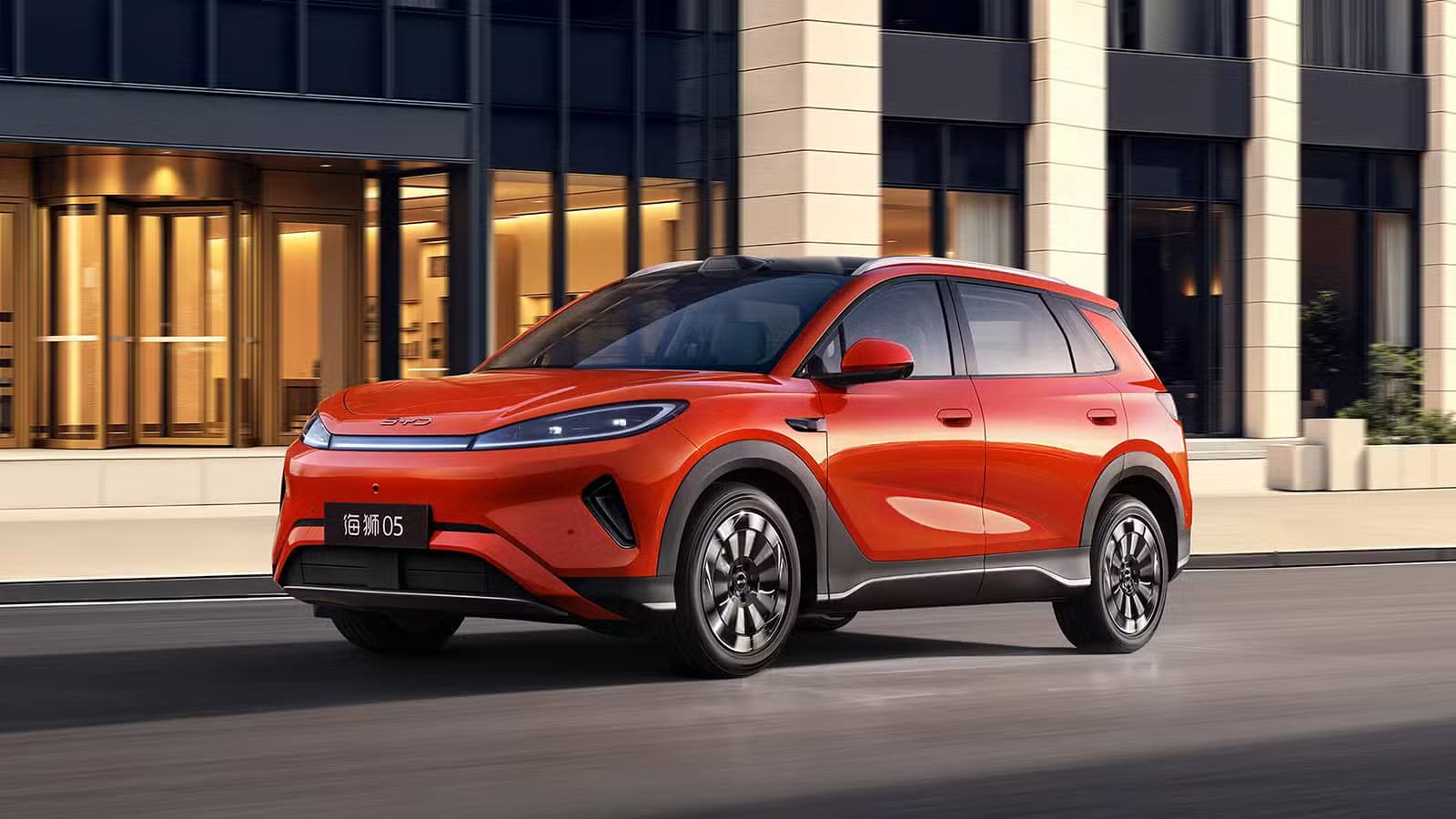
The framework creates an entry point for automakers, including BYD and Chery, while also enabling global manufacturers such as Tesla and Polestar to export vehicles produced in China to Canada.
Policy aims to balance competition while attracting local investment
Canadian officials are considering company-level allocations to maintain market balance as more automakers enter under the quota. The goal is to regulate competition while still encouraging participation from multiple players.
At the same time, the policy could evolve to favor companies that establish a stronger presence in Canada. Officials are evaluating whether automakers that invest in local operations could receive more favorable access to the quota over time.
This approach is intended to encourage Chinese automakers to form joint ventures with Canadian partners and expand into local vehicle assembly.
Recent pricing activity highlights the potential impact of the policy. Tesla has promoted a Model 3 sedan in Canada priced at C$42,132, including delivery fees, a significant reduction from its previous list price. The vehicle is believed to be sourced from its Shanghai factory, though the company has not confirmed this.
Chinese brands, including BYD, are also exploring how to use the lower tariff window to expand their footprint in North America.
EV.com tracks the evolving EV collector space and performance electric vehicles hitting the market. Explore our listings to find the best EVs in your area available today.
Comments
Categories
Related news

Subscribe for EV News and Reviews

AI Employee for Car Dealerships
Results in 30 days - Or We'll Give You Your Money Back