Autonomous Vehicle Awareness Rises as Consumer Trust Remains Stuck, JD Power Finds
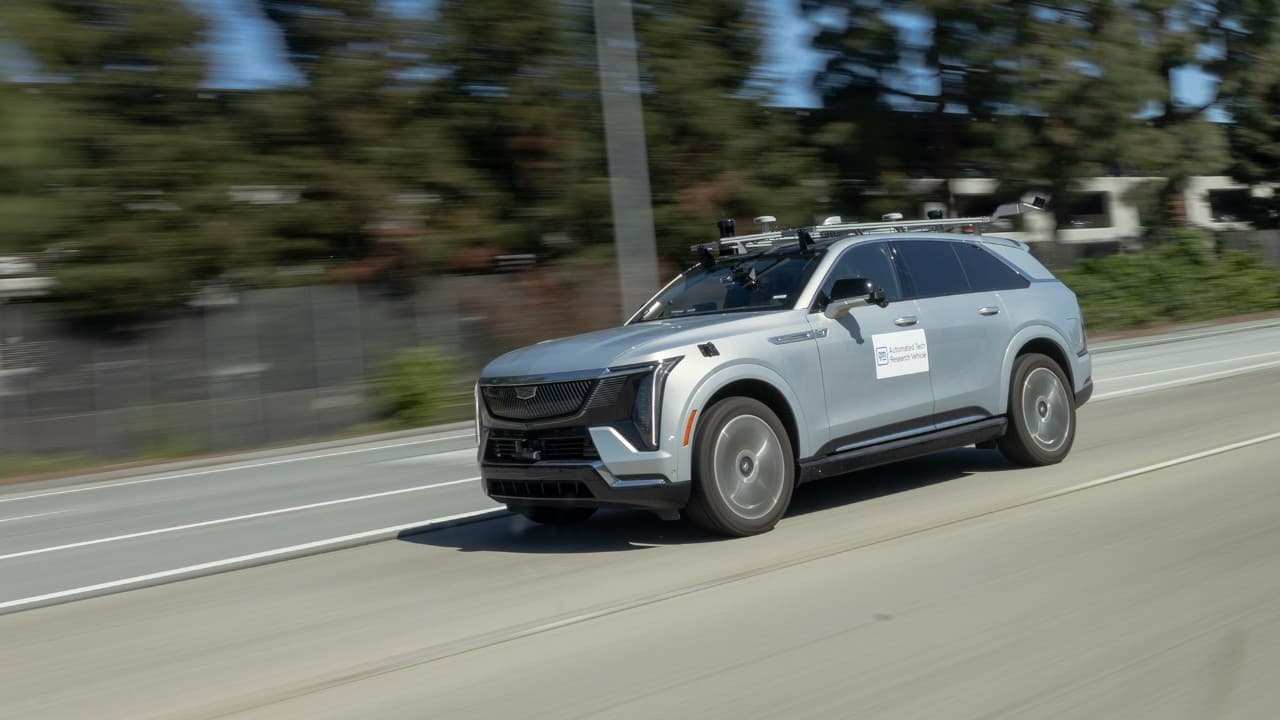
Consumer awareness of autonomous vehicle technology has risen sharply in the United States, but public confidence in fully self-driving vehicles has remained largely unchanged, according to a new study from J.D. Power.
The firm’s 2026 Mobility Confidence Index found that while more consumers now understand what fully automated vehicles are capable of, concerns about safety, reliability, and real-world performance continue to limit broader acceptance of the technology.
Consumer understanding of AV technology improves
The study, conducted in collaboration with the MIT Advanced Vehicle Technology Consortium, showed that 58% of respondents correctly identified the definition of full vehicle automation in 2026. That marked a notable increase from 43% in 2024, suggesting that public familiarity with autonomous vehicle technology has improved as automakers and technology companies expanded testing and deployment efforts, according to GM Authority.
Despite that progress, the Mobility Confidence Index remained at 39 out of 100, unchanged from 2024 and only slightly above the score of 37 recorded in 2023. According to J.D. Power, the results indicated that increased awareness alone was not translating into greater trust.
“Consumer awareness of automated vehicle technology is improving, but confidence still depends on proven safety, real-world performance and clear consumer value,” said Lisa Boor, director of auto benchmarking and mobility development at J.D. Power.
Safety remained the largest hurdle for the industry. Sixty percent of respondents cited personal safety as their biggest concern about riding in a fully autonomous vehicle. Other frequently cited worries included how autonomous systems would respond during emergencies and whether they could operate safely in challenging weather and traffic conditions.
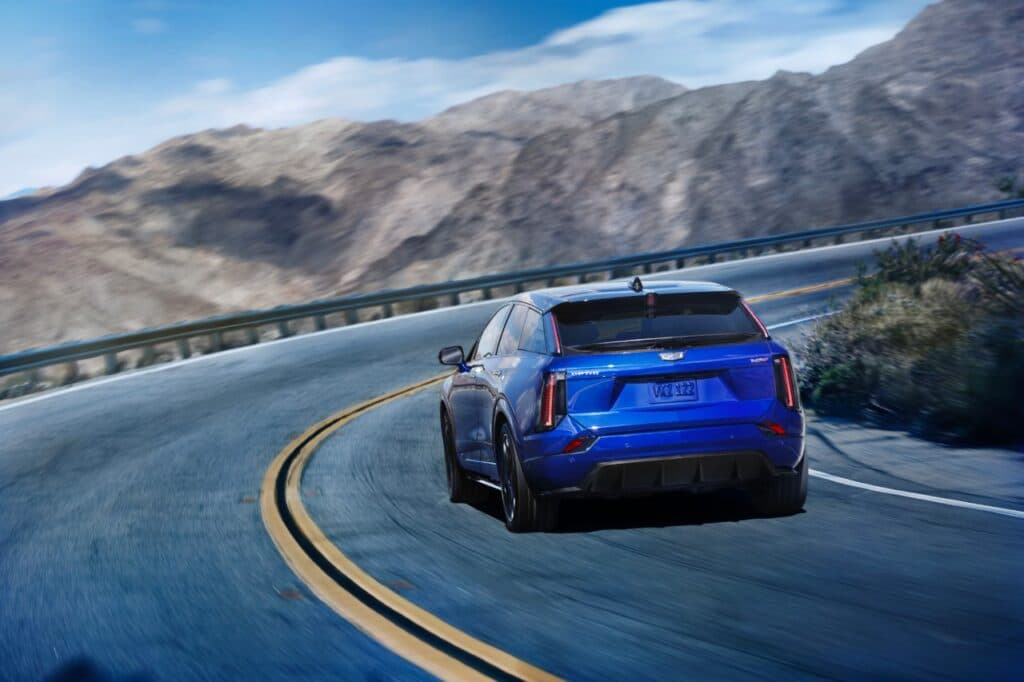
Automakers continue advancing self-driving ambitions
The research also highlighted significant differences in consumer trust depending on how autonomous vehicles are used. While 54% of respondents said they trusted autonomous vehicles to handle tasks such as food pickup and delivery, only 31% were comfortable with self-driving vehicles transporting children. Just 16% expressed confidence in sharing the road with fully autonomous semi-trucks, despite increasing deployment of autonomous freight technologies.
The findings present an ongoing challenge for automakers investing heavily in advanced driver assistance and self-driving systems. Among them is General Motors, which has outlined plans to introduce eyes-off driving technology beginning in 2028 as part of its long-term automation strategy.
Researchers noted that earning public trust may require more than technological progress alone. Bryan Reimer, a research scientist at MIT AgeLab, argued that consumers need transparent performance data, strong governance frameworks, and clear accountability before confidence in autonomous vehicles can meaningfully improve.
EV.com tracks the evolving EV collector space and performance electric vehicles hitting the market. Explore our listings to find the best EVs in your area available today.
Comments
Categories
Related news


Subscribe for EV News and Reviews

AI Employee for Car Dealerships
Results in 30 days - Or We'll Give You Your Money Back