Affordable EVs On The Rise: Non-Luxury EVs Capture 26.6% Of North American Market
Experian Report Shows Non-Luxury EV Sales Surging, With Ford Leading at 21.9% Market Share
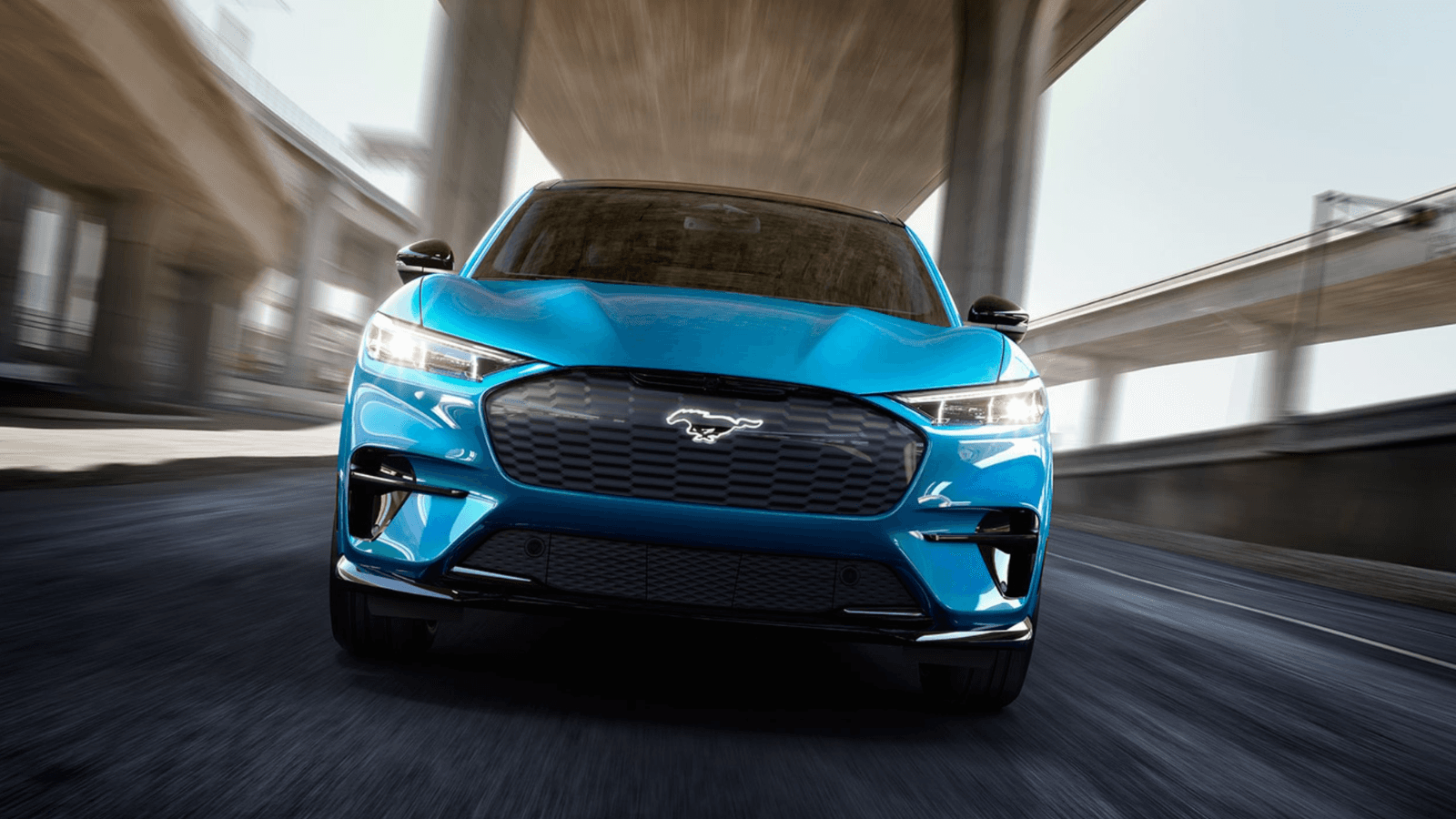
The electric vehicle (EV) landscape in North America is experiencing a significant transformation, where a report shows that a growing preference among consumers is leading towards more affordable and practical non-luxury EVs.
According to Experian’s latest Automotive Consumer Trends Report for Q2 2024, the report reveals that non-luxury EV registrations increased to 26.6% in Q2 2024, up from 22.7% the previous year. As a result, the overall EV market grew to over 3.5 million vehicles on the road, compared to 2.7 million a year earlier.
Notably, Ford maintained its lead in the non-luxury EV market with a 21.9% share, despite a slight decline. Following behind is Hyundai, which saw a significant increase in market share, rising to 19.3% from 15.2% last year. After that, Chevrolet experienced a sharp decline, dropping to 13.2% from 24.2% the previous year.
Consumer Loyalty and Behavior
The report highlights strong consumer loyalty to EVs, with 77.4% of EV owners choosing to replace their vehicles with another EV in the past year. This trend underscores the growing satisfaction and commitment to electric mobility among consumers.
However, the data also reveals an interesting pattern in household vehicle ownership. Despite the increasing adoption of EVs, 81% of households with at least one EV also own a gasoline-powered vehicle. This suggests that while consumers are embracing electric technology, they still rely on traditional fuel vehicles for certain needs, particularly long-distance travel.
Market Implications
Kirsten Von Busch, Experian’s director of product marketing for automotive, commented on the findings stating, “Not only are we seeing overall growth in EV registrations, but more consumers are opting for non-luxury EVs as manufacturers roll out new models. With the EV clientele continuing to grow, there is an increased desire for functionality and affordability.”
This shift towards more affordable and practical EVs presents both challenges and opportunities for automotive manufacturers and professionals. As the market evolves, industry players will need to adapt their strategies to meet the changing demands of consumers who are increasingly seeking cost-effective and functional EVs.
Currently, Ford is aiming to make affordable EVs ranging from the prices of between $25,000 and $30,000. Interestingly, this change of plans from Ford arrives after Tesla’s own plans to make affordable Tesla models of its own by 2025.
As the EV market continues to mature, it is clear that consumer preferences are driving significant changes in the industry. The growing popularity of non-luxury EVs, coupled with strong brand loyalty, suggests a strong future for electric mobility in North America.
Want to learn more about EV? Thinking of buying an EV? Head over to EV.com and discover more.
Comments
Categories
Related news

Subscribe for EV News and Reviews

AI Employee for Car Dealerships
Results in 30 days - Or We'll Give You Your Money Back