7 Ways to Prep Your 4×4 for Hardcore Terrain
The trail that looked manageable on the map has a different personality in real life.
The trail that looked manageable on the map has a different personality in real life. The loose shale section your tires can’t grip. The water crossing was six inches deeper than it looked from the bank. The steep descent where the stock brakes start fading halfway down. Hardcore terrain doesn’t give second chances. It just shows you exactly where your build falls short.
Quick Reference
| Prep Area | What Gets Fixed | Skip It and Risk |
| Wheels and tyres | Grip, load capacity, terrain clearance | Getting stuck, bent rims, blowouts |
| Headlights and visibility | Safe night driving and low-visibility trails | Missing obstacles, unsafe recovery |
| Suspension setup | Articulation, clearance, and loaded handling | Bottoming out, poor traction |
| Skid plates | Underbody protection on rocks and ledges | Cracked oil pan, punctured fuel tank |
| Recovery gear | Self-rescue when no help is available | Long waits, expensive recoveries |
| Braking system | Fade resistance on steep descents | Loss of control on technical downhills |
| Compact site equipment | Ground prep and access on work-oriented builds | Manual labour, site access delays |
Why Most 4x4s Aren’t Ready for What Their Owners Think They Are
Pull up to any trailhead on a busy weekend, and the car park tells the whole story. Lifted trucks, all-terrain tires, roof racks loaded with gear — and half of them will be back on the tarmac before the trail gets serious. Not because the drivers aren’t capable. Because the builds aren’t.
The gap between a 4×4 that looks ready for hardcore terrain and one that genuinely handles it comes down to preparation before the trail starts, not decisions made on the trail. Seven areas. Get them right, and the terrain stops being something to worry about.
1. Wheels and Tires (The Only Part of the Rig That Touches the Ground)
Every other upgrade on this list performs better or worse depending on what’s rolling underneath. Suspension articulation means nothing if the tire can’t conform to the rock it’s sitting on. Ground clearance is wasted if the tire sidewall isn’t strong enough to handle the pressure of a slow crawl over a sharp edge.
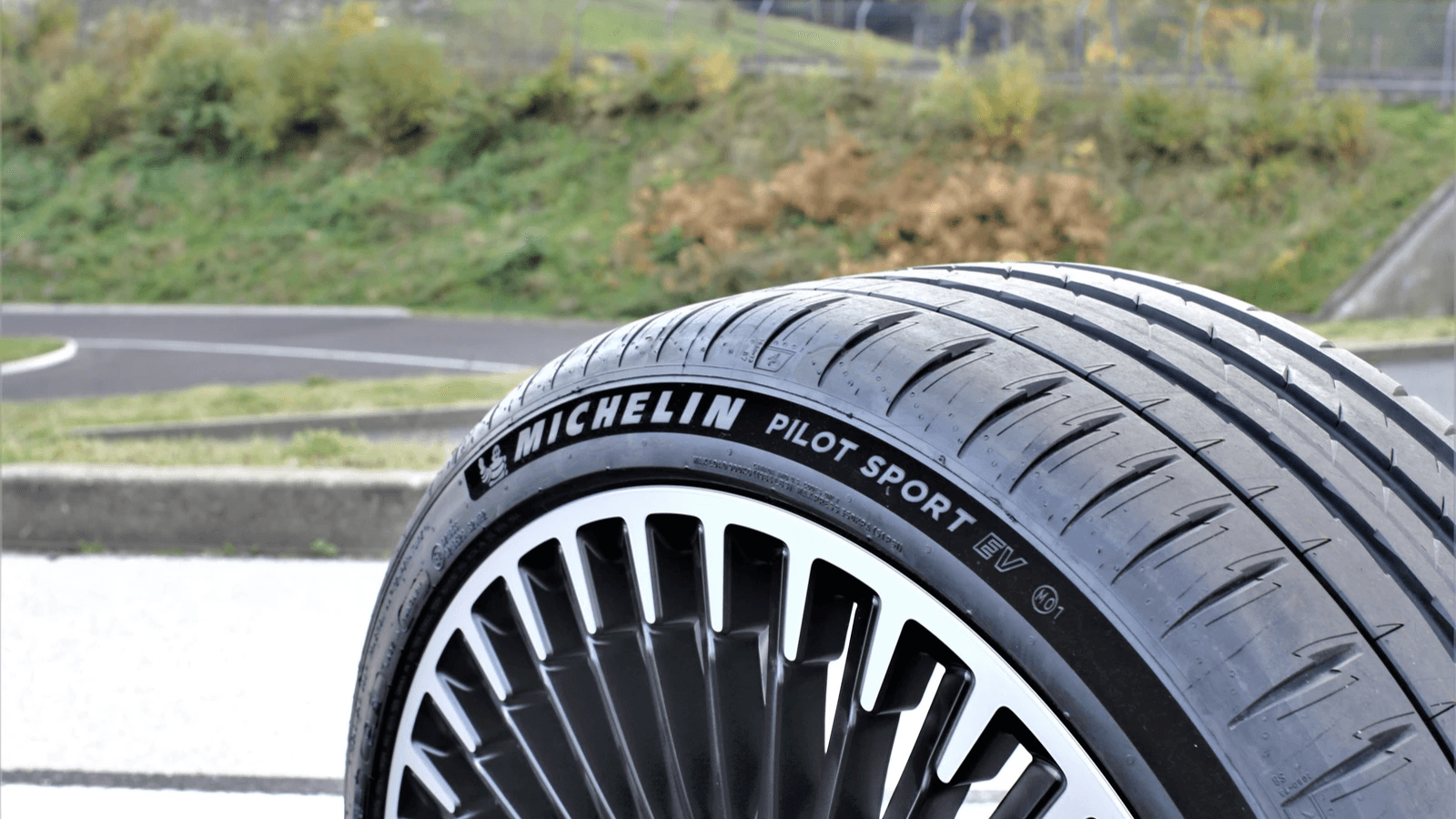
For hardcore terrain, tire selection comes first. A mud-terrain tire with aggressive shoulder lugs handles loose rock, deep mud, and soft ground where an all-terrain struggles. The sidewall rating matters. A tire with reinforced sidewalls resists punctures on sharp rock faces that would cut through a standard construction.
The wheel behind that tire needs to match. A lightweight alloy wheel reduces unsprung mass and lets the suspension react faster on rough ground. For builds where the look matters as much as the function, trail rigs that also see road time and weekend events, see the classic options here for alloy fitments that work across both uses without compromising either.
2. Headlights and Visibility Upgrades (Terrain Doesn’t Stop When the Sun Goes Down)
The trail that takes four hours in daylight takes six when the light goes. Hardcore terrain at night, whether that’s a night drive to a remote camp, an early morning start before dawn, or a recovery situation that runs past sunset, demands lighting that goes well beyond what most 4x4s leave the factory with.
Stock headlights on most production 4x4s are built to road standards. They illuminate tarmac. On a rocky track with uneven camber, overhanging branches, and a drop-off on one side, the beam pattern that works on a straight road leaves the edges of the trail in shadow exactly where you need to see them.
LED upgrades improve both beam reach and peripheral coverage. For Hyundai owners running their 4×4 on serious terrain,Hyundai parts for owners seeking reliable replacement headlights offer genuine replacement and upgrade options built to the vehicle’s specific electrical and mounting specs. A headlight that flickers because it wasn’t specced for the vehicle’s voltage is a problem at the worst possible time. Source correctly from the start.
3. Suspension Setup (Articulation, Clearance, and the Weight You’re Carrying)
A suspension setup that works for a stock vehicle on the road doesn’t work for a loaded 4×4 on technical terrain. The two situations have almost nothing in common.
On hardcore terrain, suspension articulation, the ability of each wheel to travel independently through its full range, determines traction on uneven ground. A wheel that lifts off the surface loses traction. A suspension system with good articulation keeps all four tires in contact with the ground across a wider range of terrain.
Ground clearance is the other number. Rocks, ledges, ruts, and crossing lips all require clearance. A 2- to 3-inch lift with quality shocks tuned for a loaded build changes which obstacles the rig can enter without making contact underneath.
The loading point matters most. Set up the suspension for the weight the vehicle actually carries on a serious trip, not the empty curb weight. A rig that handles beautifully empty can be a different vehicle entirely with 150 kilograms of gear, water, and fuel on board. Progressive rate springs or adjustable coilovers handle that weight variation better than fixed-rate units set for one end of the range.
4. Skid Plates (What’s Underneath Gets Hit First)
The underside of a 4×4 is full of components that stop the vehicle cold if they get damaged — oil pan, transfer case, fuel tank, differential housings. On rocky terrain, every ledge, embedded rock, and shallow crossing is a potential contact point for any one of those. Stock plastic undertray covers offer only token protection.
Full-length steel skid plates, 4 to 6mm thick, take the hit instead of the component behind them. The weight addition is real, expect 15 to 25 kilograms depending on coverage area, and is worth every gram for anything beyond mild tracks. For remote terrain where a punctured fuel tank or cracked oil pan means a very long wait, skid plates are the difference between a trip that continues and one that ends early.
5. Recovery Gear (Self-Rescue Is the Whole Point of a Self-Sufficient Build)
The 4×4 that goes furthest into serious terrain is the one that can get itself out when things go wrong. That’s not pessimism, it’s the basic logic of going anywhere remote.
A winch rated at 1.5 times the vehicle’s gross weight, mounted on the front bumper, is the anchor of any recovery setup. Pair it with a snatch block, which changes pull angle and doubles effective pulling capacity, recovery straps, rated shackles, and a ground anchor for situations where there’s nothing solid to winch from, and the rig handles the majority of stuck scenarios without outside help.
The mounting matters as much as the gear. Recovery equipment buried under camping gear in the bed is useless when you’re axle-deep in mud, and the track is getting darker. Mount the winch to the front. Store straps and shackles in a fixed, accessible bag that doesn’t require unpacking other gear to reach. The thirty seconds it takes to access recovery gear when you need it shapes the whole situation.
6. Braking System (Stopping on Steep Ground Is a Different Problem)
Hardcore terrain descents put braking systems under a different kind of stress than road driving. Repeated brake applications on a steep, loose descent build heat in the rotors and pads. Stock pads on most 4x4s are spec’d for road use, they fade under the sustained heat of a technical downhill in a way that road driving never exposes.
Upgraded brake pads with higher heat tolerance maintain bite through repeated applications on long descents. Slotted or cross-drilled rotors improve heat dissipation and help clear debris that builds up on trail drives. Stainless steel braided brake lines replace the rubber lines that expand slightly under high pressure, a subtle change that gives a firmer, more consistent pedal feel on technical terrain.
Bleed the braking system before any serious trail run. Old brake fluid absorbs moisture over time, and the boiling point drops. On a steep descent where the brakes are working hard, that degraded fluid is the last thing between control and a very bad outcome.
7. Mini Skid Steer Backhoe (For Builds That Work the Terrain as Well as Drive It)
Not every 4×4 build is purely recreational. Contractors, property owners, and rural operators who take their rigs into serious terrain often need to do more than drive through it, they need to move it, grade it, or dig through it.
A mini skid steer backhoe for rugged construction gives compact equipment genuine digging and grading capability on terrain that full-size machinery can’t access. Tight site access, steep approaches, and remote properties that a standard excavator can’t reach are exactly where a compact backhoe attachment earns its place on the trailer.
For rural property owners clearing tracks, contractors working on remote residential builds, or anyone who needs to move earth on terrain that also requires a capable 4×4 to reach, this attachment closes the gap between what the 4×4 can drive and what the site actually needs done
What Seven Upgrades Add Up To
Hardcore terrain tests every part of a build at the same time. Wheels and tires determine grip at the only point of contact that matters. Headlights keep the trail visible when conditions change. Suspension handles the articulation and clearance that separates what the rig can enter from what it has to go around. Skid plates protect the components that keep it moving. Recovery gear means getting stuck is a temporary situation, not a trip-ending one. Upgraded brakes keep control on descents that stock pads can’t handle without fading. And for builds that work the land as well as cross it, the right compact attachment turns difficult terrain from an obstacle into a worksite.
Frequently Asked Questions
1. What tires work best for hardcore off-road terrain?
Mud-terrain tires with reinforced sidewalls and aggressive shoulder lugs handle the widest range of serious terrain, loose rock, deep mud, soft ground, and sharp edges that cut standard tires. Match the tire to your most common terrain type, and confirm the load rating supports the weight your build carries when fully loaded for a trip.
2. How do I know if my suspension is set up correctly for loaded off-road driving?
Load the vehicle to the weight it carries on a real trip, including gear, fuel, water, and passengers, and check the ride height, droop travel, and handling on a rough section of road. A suspension set up for empty curb weight sits, handles, and articulates differently under load. If it feels harsh, bottoms out, or loses articulation when loaded, the setup needs to be adjusted for real-world use.
3. Is a winch enough for solo recovery on serious terrain?
A winch is the foundation, not the complete solution. Pair it with a snatch block, recovery straps, rated shackles, and a ground anchor. The snatch block changes the pull direction and doubles the effective capacity, which is essential for recoveries where the vehicle can’t winch straight ahead. Without that supporting kit, a winch alone handles a fraction of the stuck situations serious terrain creates.
What’s the benefit of a mini skid steer backhoe on remote terrain? It gives compact equipment digging and grading capability on sites and tracks that full-size machinery can’t access. For rural operators, property owners, and contractors working remote locations, a backhoe attachment on a compact skid steer closes the gap between what the terrain needs and what equipment can physically get there to do it.
Comments
Categories
Related news


Subscribe for EV News and Reviews

AI Employee for Car Dealerships
Results in 30 days - Or We'll Give You Your Money Back