Ford Urges EU to Relax CO₂ Rules as EV Adoption Falls Short of 2035 Targets
With EV adoption lagging behind mandated levels, Ford argued that hybrids, stronger incentives, and more charging infrastructure are necessary to avoid forcing consumers and businesses into an unworkable transition.

Ford urged European regulators this week to rethink the bloc’s strict CO₂ rules, becoming the latest major automaker to call for softer emissions targets as the EU pushes toward a 2035 combustion-engine phaseout. With EV adoption lagging behind mandated levels, Ford argued that hybrids, stronger incentives, and more charging infrastructure are necessary to avoid forcing consumers and businesses into an unworkable transition.
Ford pushes for hybrid flexibility and more realistic CO₂ targets
Ford outlined a three-part plan intended to realign EU emissions policy with market conditions. The automaker emphasized that Europe’s EV market share, currently 16.1 percent, remains far below the 25 percent required this year, creating a widening gap between regulatory expectations and real-world demand, according to Ford Authority. Its proposal begins with adjusting the EU’s CO₂ trajectory to reflect actual adoption rates and providing the industry with a 10-year planning horizon, which Ford argues would offer much-needed stability as automakers balance capital-intensive EV programs with ongoing consumer hesitancy.
A key pillar of Ford’s position is keeping regular hybrids available beyond 2035, giving drivers an affordable, transitional powertrain option rather than forcing immediate electrification. Company executives say this would maintain customer choice while still supporting long-term emissions reductions. “We need to enable everyone to benefit from electrification and letting customers choose, whether that’s fully electric or hybrid vehicles,” said Jim Baumbick, president, Ford Europe. “It is about making the transition more attractive and more affordable for all consumers and businesses, stimulating demand rather than stifling it.”
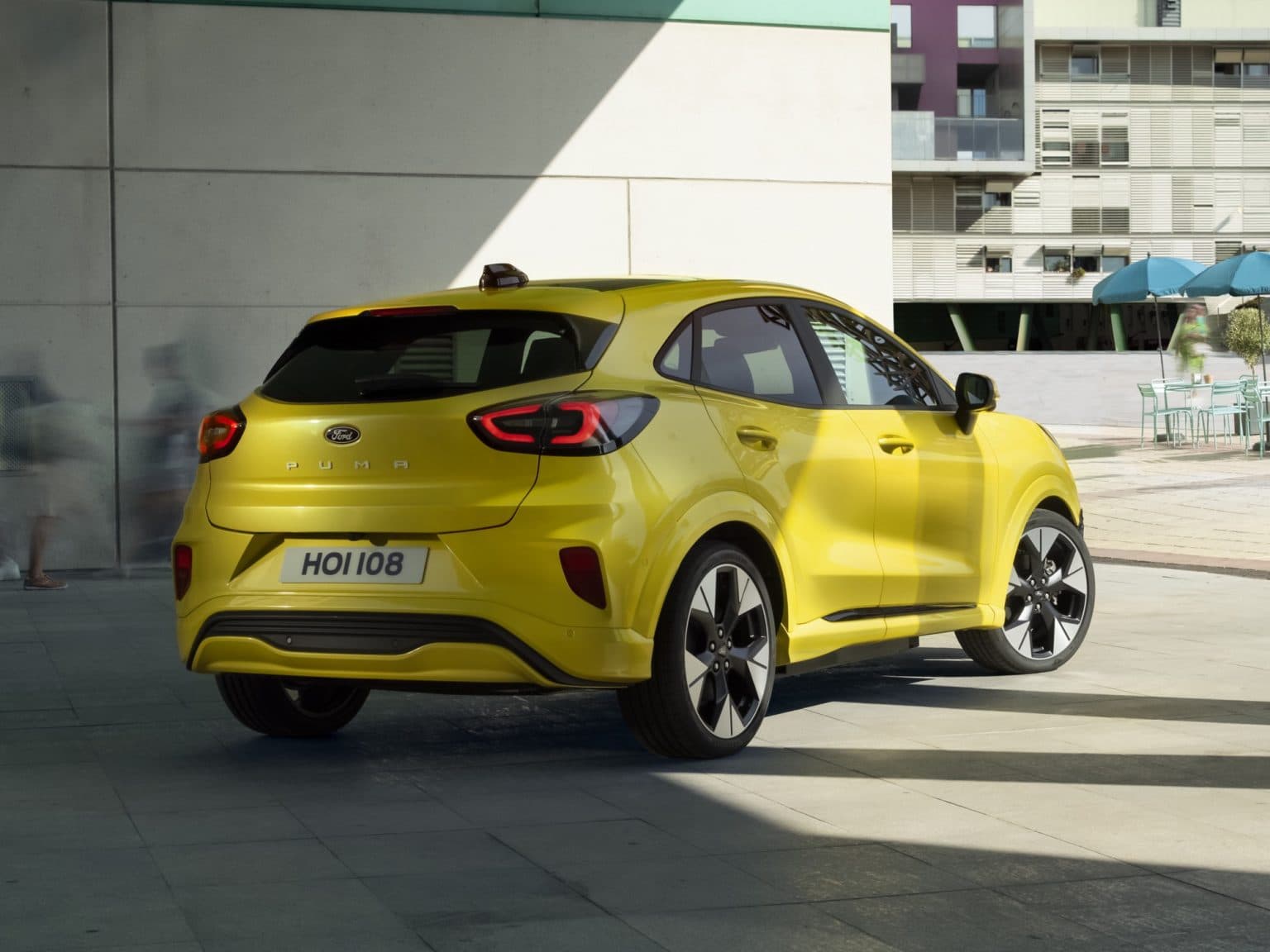
Automaker highlights infrastructure gaps and small-business burdens
Ford also called for stronger government-backed incentives and a major acceleration of charging-network buildout, arguing that financial and infrastructure support, not tightening rules, is the key to raising demand. The company warned that commercial fleets face even steeper challenges: only eight percent of new vans in Europe are fully electric, and Ford says current CO₂ standards disproportionately hurt small- and medium-sized businesses, which generate more than half of the region’s GDP.
The appeal mirrors debates in the U.S., where Ford CEO Jim Farley recently criticized proposed fuel-economy rules as disconnected from market realities. Ford’s message on both sides of the Atlantic remains consistent: stricter mandates won’t work without consumer readiness, infrastructure, and policy flexibility.
EV.com tracks the evolving EV collector space and performance electric vehicles hitting the market. Explore our listings to find the best EVs in your area available today.
Comments
Categories
Related news

Subscribe for EV News and Reviews

AI Employee for Car Dealerships
Results in 30 days - Or We'll Give You Your Money Back