BEVs vs. PHEVs: What’s Your Pick?
An analysis conducted from a study in ScienceDirect, BEVs have a lower CO2 emissions by 10% compared with PHEVs
Within the landscape of sustainable mobility and transportation, two contenders have always gone head to head against each other: battery electric vehicles (BEVs) and plug-in hybrid electric vehicles (PHEVs). As the automotive landscape is experiencing a shift towards sustainable and greener alternatives with electric mobility, the answer still stands that BEVs are the way to go for a true zero-emission mobility society. With this in mind, here are four factors why BEVs overtake PHEVs in the sustainability race:
Environmental Benefits
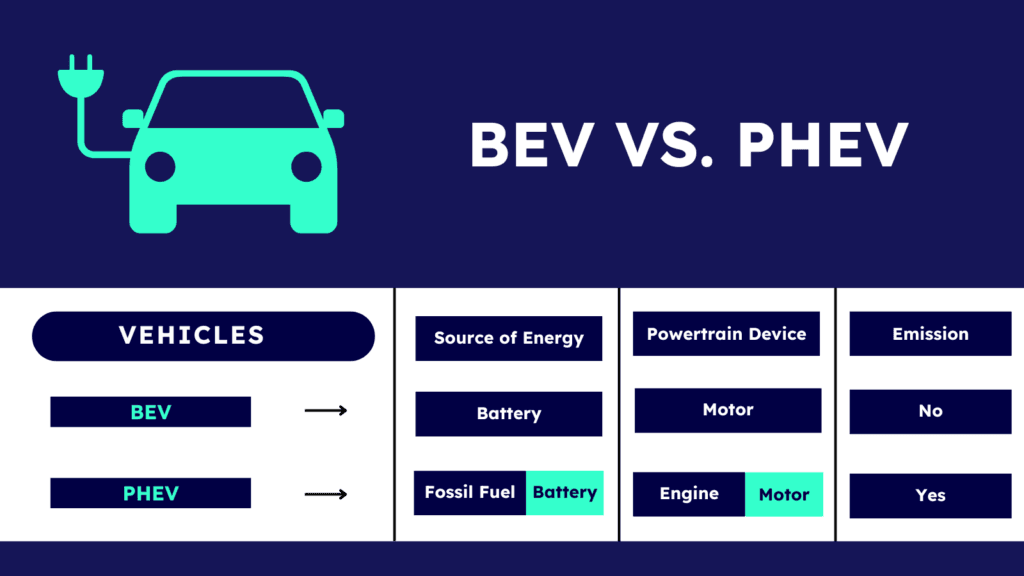
When we compare BEVs to PHEVs, the major and most critical factor that cannot be ignored is the matter of environmental impact through carbon emissions. Generally, BEVs have zero tailpipe emissions that greatly cut down air pollution and greenhouse gas emissions. An analysis conducted from a study in ScienceDirect demonstrated BEVs have the lowest CO2 emissions compared to other vehicles, a difference of 10% compared with PHEVs. Despite the slight difference, the emission of C02 between these two vehicles will show major differences over time.
To elaborate on this factor, renowned environmental journalist Peter Douglas cleared the differences between the two on The Mercury News stating, “While some hybrids are very efficient, the best electric cars deliver significantly greater emission reductions,” he said “and reductions will continue to increase. Hybrids help fight climate change but burn gasoline and produce some tailpipe emissions. The best BEVs are far more energy-efficient than gasoline-powered vehicles, including hybrids.”
With these data points in mind, it is transparent that BEVs are cleaner for the environment and more sustainable compared to PHEVs as they still use gasoline and fuel as part of their power source. Through this, it is completely clear that full electric mobility is the way to go when saving the environment.
Cost Considerations
Between BEVs and PHEVs, cost is also a matter to consider for everyone deciding between the two in regards to which is cheaper. Although BEVs may have a higher upfront cost because of their much larger batteries, they still have a much lower operating cost over time. According to the U.S. Department of Energy, PHEVs have engines similar to Internal combustion engine (ICE) vehicles whereas the under the hood of BEVs have a battery, motor, and associated electronics that require minimal scheduled maintenance with brake systems more long-lasting than ICE vehicles including PHEVs.
In terms of long-term savings, BEVs will generally save more for you while PHEVs will need to be refuelled with electricity and gasoline. Significantly, BEVs have better qualifications with the Clean Vehicle Tax Credit compared to PHEVs. More PHEVs are only qualified for partial tax credits while there are more BEVs qualified for a full tax credit. For example, a Lincoln Corsair Grand Touring PHEV qualifies for a partial tax credit of $6,843 according to Consumer Reports. In contrast to the amount of a full tax credit of $7,500, there is a difference of $657.
Range and Charging Infrastructure
Compared to PHEVs, BEVs do not have the dual option they have of possessing both gas range and electric range while having access to both gas and charging stations. Yet, there is a massive component to consider that is critical to this comparison. One thing is that PHEVs do not get any sort of equivalent range that BEVs have. According to an analysis by Consumer Reports, most PHEVs only possess an electric range of up to 50 miles. This minimal amount is much less compared to BEVs’ electric range.
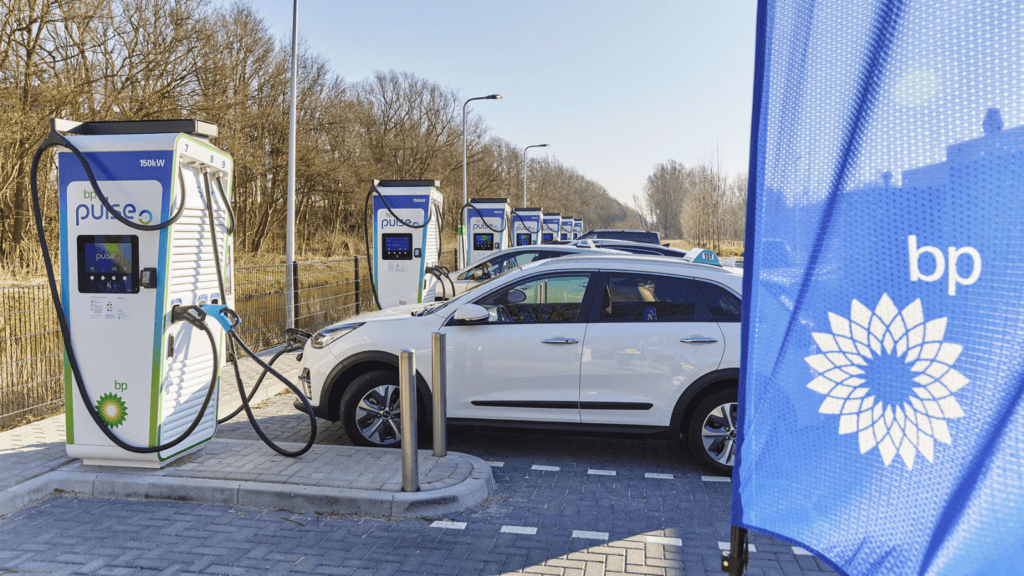
Also, the advancement of charging technology for BEV range has been expanding in research and innovation both in the BEV’s charging capacities and motor along with charging networks. According to Bloomberg, there are around 8,200 quick-turn EV stations across the U.S., which is one for every 15 gas stations. As the globe is building more charging stations, BEVs will certainly be the only viable choice in the future.
Global Trends Toward Electrification
The global trend towards electrification is truly undeniable as governments around the world have also been implementing policies to accelerate BEV adoption. One policy that stands out is the Biden administration’s environmental goals to mandate a significant portion of car sales to be EVs by 2032 according to The New York Times. As BEV charging technology and charging infrastructure develop, BEVs will be more accessible compared to PHEVs. Additionally, gas prices are quickly rising at an unprecedented rate in the global economy. This means that the use of gas as a fuel source for vehicles will certainly not be the only viable choice in the long run compared to BEVs.
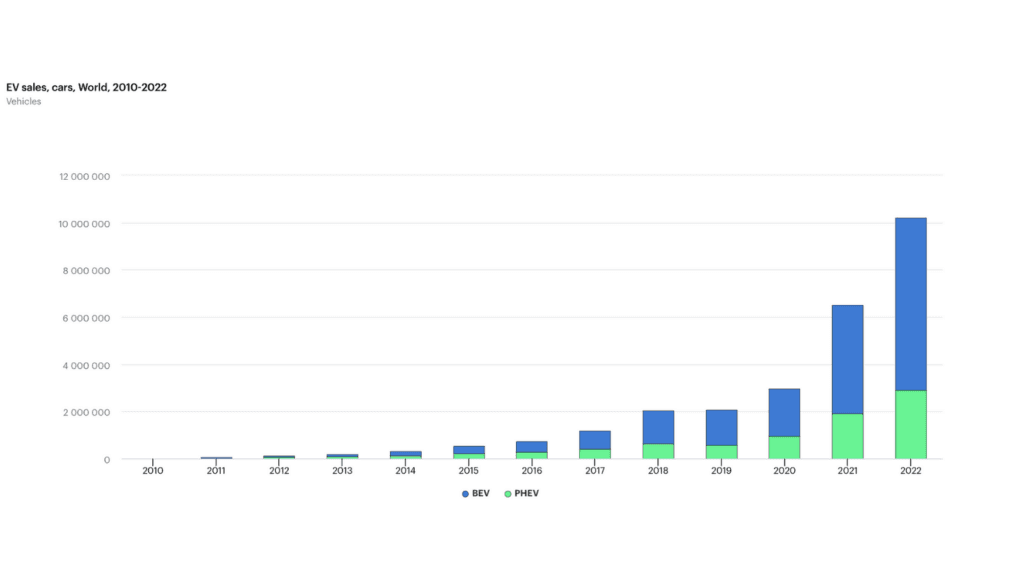
It is also important to note that when it comes to foreign EV markets. BEV adoption is rising fast with 10% of vehicles sold in 2022 being BEVs, 10 times more compared to five years ago, according to analysis of data from the International Energy Agency.
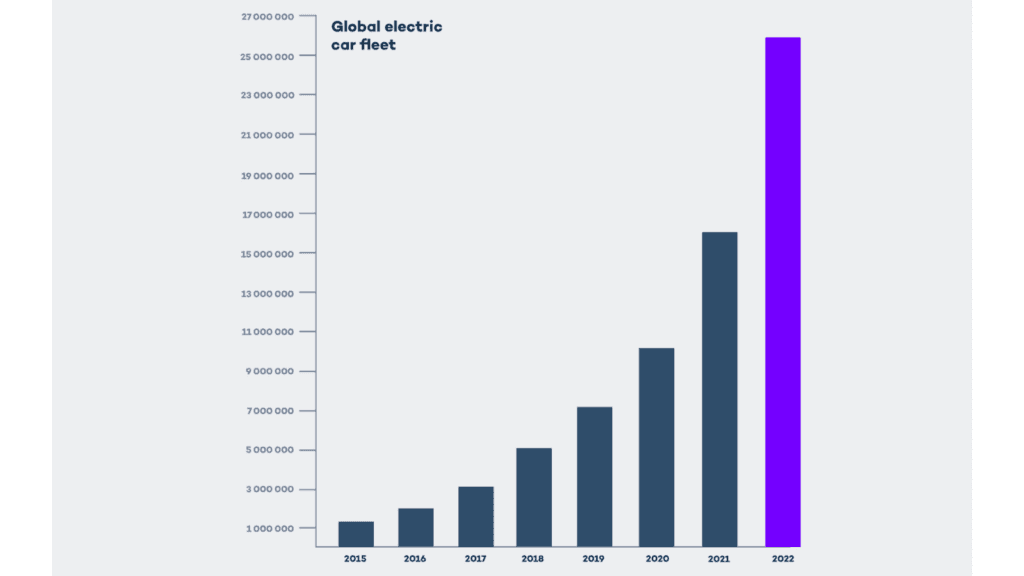
In addition, more than 26 million EVs are on the roads in 2022. This marks about 60% uptake from 2021. Compared to it all, it is plain obvious now that the trend towards BEV adoption is always reaching positive outreaches in the end while PHEVs are not a part of it.
A Win For BEVs
While PHEVs have their own particular advantages, BEVs are the clear winner whether it is in the short run or long run. With these four factors of environmental, cost, charging infrastructure, and global trends, BEVs will be at the helm of leading the world toward electric mobility. After weighing it all, the conscious choice now is to join the revolution for BEV adoption and embrace the push to a greener future of electric mobility that will also lead to a zero-emission society for us all.
Want to learn more about EV? Thinking of buying an EV? Head over to EV.com and discover more.
Comments
Categories
Subscribe for EV News and Reviews

AI Employee for Car Dealerships
Results in 30 days - Or We'll Give You Your Money Back