Tesla Expands Its Charging Empire: Six New Automakers Plug Into Superchargers
BMW, Hyundai, Kia, And Others Join A Growing List Of Brands Set To Tap Into Tesla’s Vast Supercharger Network
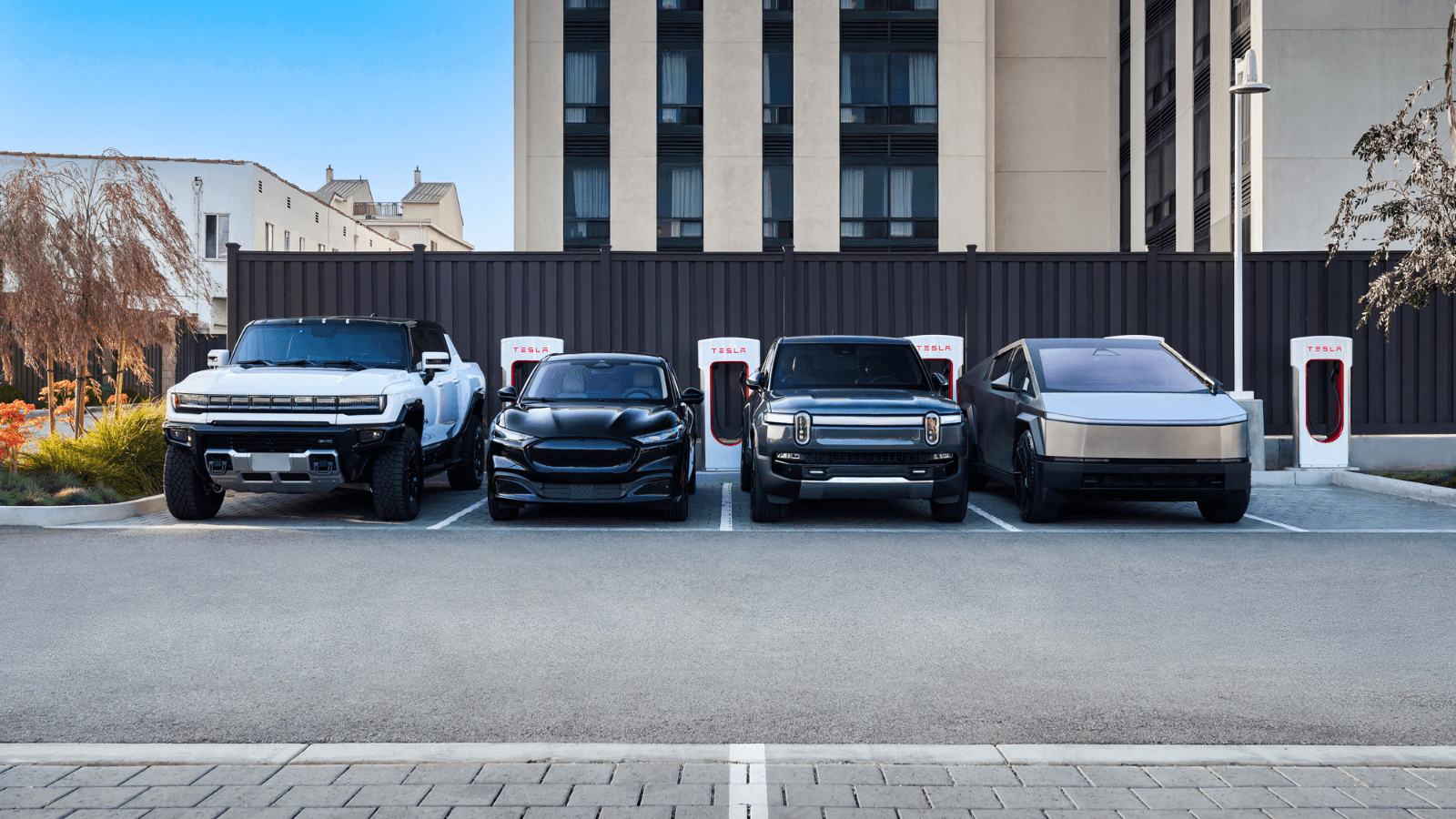
Tesla has substantially expanded its list of automakers soon to gain access to its coveted Supercharger network, showcasing a major shift in the electric vehicle (EV) charging landscape. This builds upon the momentum that began with Ford’s decision to adopt Tesla’s North American Charging Standard (NACS) in 2023.
Growing List of Participants
The expansion took shape this week when Tesla updated its “coming soon” webpage to include six new automotive brands: BMW, Genesis, Hyundai, Jaguar Land Rover, Kia, and Lucid. These automakers will join Mercedes-Benz, which has been listed since June and is scheduled to gain network access in February 2025. This dramatic increase in participating brands will more than double the current roster of non-Tesla vehicles able to use Superchargers, including Ford, Rivian, General Motors (GM), Volvo, Polestar, and Nissan.
The journey to this point started in 2022 when Tesla announced plans to open its charging network, motivated by the potential funding available through the Biden administration’s federal EV charging grants. What initially seemed like an ambitious gambit has transformed into an industry-wide movement, with virtually all major automakers embracing Tesla’s charging standard.
Challenges and Delays
The transition has not been without its challenges. A brief setback occurred when Tesla CEO Elon Musk’s decision to dismiss the entire Supercharging team temporarily disrupted the rollout. However, the program appears to have regained its momentum, though some manufacturers are experiencing individual delays.
For instance, Kia, which had planned to launch Supercharger access on January 15, 2025, has announced a postponement until spring 2025, as confirmed by James Bell, the company’s Head of Corporate Communications.
Adapting to New Standards

The implementation of this expanded access requires significant technical coordination. Most existing non-Tesla EVs need adapters to connect to Supercharger stations, as they were built with the CCS1 charging port rather than Tesla’s NACS connector. Mercedes-Benz has announced its adapter will be available for $185 in Q1 2025, while some manufacturers, like Hyundai, are offering free adapters to certain customers.
Notably, Hyundai and Kia’s 2025 models represent a turning point as the first vehicles to feature native NACS ports, eliminating the need for adapters. Some users report that 2025 Hyundai EVs can connect to Superchargers, though they may experience slower charging speeds until V4 Superchargers become more widely available.
Timeline and Variability
Moreover, the expansion timeline varies by manufacturer, with some brands potentially gaining access within days while others might wait months. Volkswagen, despite announcing a June access date, was notably absent from Tesla’s updated list, highlighting the fluid nature of these implementations.
With over 20,000 Superchargers across North America, Tesla has established what is widely considered the most reliable and extensive fast-charging network in the region. As additional automakers like Stellantis, Toyota, and Honda prepare to join the network by year’s end, this network will play an increasingly crucial role in making EVs more practical for long-distance travel and accelerating the future of EV charging to be increasingly unified under Tesla’s standard.
If you are looking for Tesla models, we can help you get started. Click Here to find the best deals near you. Want to learn more about EV? Thinking of buying an EV? Head over to EV.com and discover more.
Comments
Categories
Subscribe for EV News and Reviews

AI Employee for Car Dealerships
Results in 30 days - Or We'll Give You Your Money Back